Wargamer publishes beginner guide to miniature painting basics and advanced effects
Wargamer’s beginner guide strips miniature painting down to a calm first path, from sprue clipping to display-ready effects. It favors habit, not hype, and keeps starter costs realistic.
A beginner path that starts with confidence, not clutter
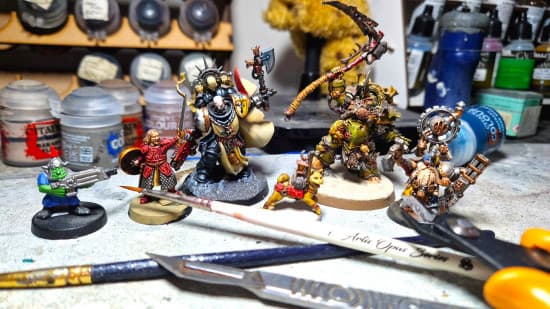
Wargamer’s new miniature painting guide feels built for the exact moment many new painters freeze: plastic on the desk, brushes still in the packet, and too many opinions about what counts as “proper” hobby gear. The guide answers that hesitation with something sturdier than enthusiasm alone. It leans on more than 3,000 miniatures painted by the team since the early 2010s, and that accumulated mileage shows in the way it turns a huge craft into a manageable first session.
The real value here is onboarding. The guide is pitched as a universal starting point for tabletop armies, board-game figures, and display models, even though its examples lean on Warhammer 40,000 and Age of Sigmar. That matters because it keeps the entry door wide open: you are not being told to master a specific game system, buy premium tools, or chase showcase standards before you have even clipped a model from the sprue.
Two rules that lower the pressure immediately
The guide’s opening mindset is simple and unusually useful: do not rush, and paint for yourself. Those two ideas do a lot of heavy lifting for a newcomer. They strip away the sense that every first model must be a public exam, and they replace it with a more forgiving goal, making steady progress on your own terms.
That framing helps the rest of the article land. Wargamer is blunt about the mistakes that usually frustrate beginners, especially buying too much at once, trying to skip the learning curve, or wrecking an expensive brush before you understand how to handle it. Instead of pretending these are mysterious hobby failures, the guide treats them like predictable setup problems. That makes the whole process feel less like a rite of passage and more like a sequence you can actually control.
The toolkit without the premium-goods trap
A strong beginner guide lives or dies on the shopping list, and this one seems careful not to assume a studio-level setup. It moves through beginner paints, brushes, and tools in a way that feels practical rather than aspirational, which is exactly what a true first-time painter needs. The point is not to build the fanciest workbench on day one. The point is to gather only what helps you reach a table-ready miniature without wasting money.
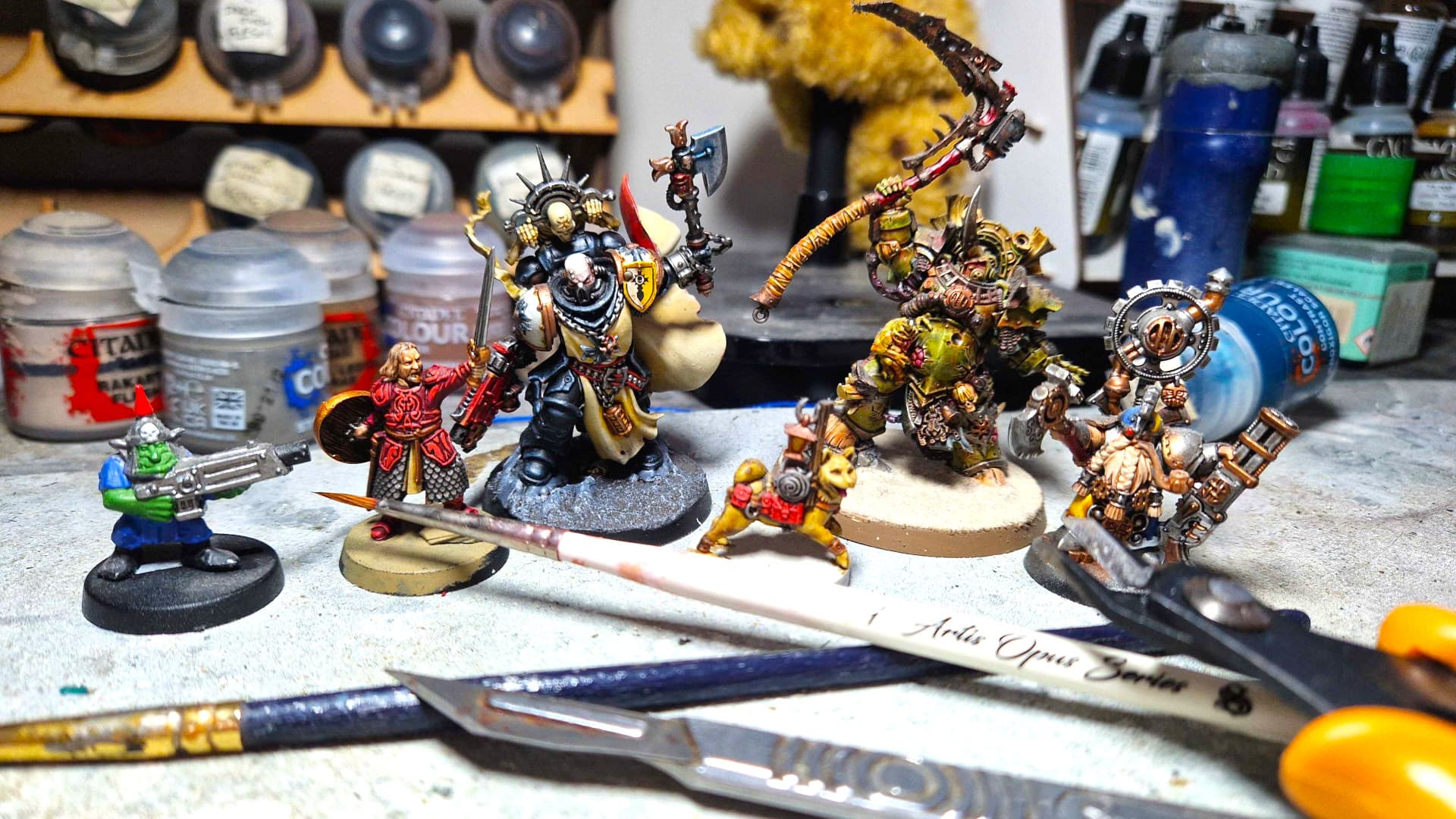
That approach is especially important because miniature painting advice often slides into gear obsession. Here, the emphasis stays on the basics: what you need to clip parts from the sprue, what gets you through the first coats, and what supports a clean finish without making the hobby feel financially intimidating. By keeping the toolkit discussion grounded, the guide creates a realistic starter workflow instead of a shopping spiral.
- Start with enough to paint one model well, not a whole army at once.
- Treat your first brush as a learning tool, not a prized object.
- Focus on materials that help you reach a usable tabletop finish before chasing specialty effects.
From clipped parts to table-ready paint
The guide’s practical roadmap is one of its biggest strengths. It begins at the very start of the hobby process, with clipping parts off the sprue, then walks through basic painting before moving toward a table-ready standard. That progression is exactly what a newcomer needs to see laid out clearly, because it turns “miniature painting” from a vague ambition into a sequence of visible milestones.
That table-ready threshold is worth underlining. Too many beginner resources imply that anything short of display quality is failure. Wargamer takes the opposite stance. It gives new painters permission to stop once the model looks good on the table, which is a much healthier and more achievable first target. That is the kind of advice that keeps momentum alive, especially when the first painted model is meant to teach confidence as much as technique.
Basic painting: enough skill to finish, not enough to stall
The guide’s basic painting section appears built around the essentials a newcomer needs to understand before moving on: how to get paint onto the model cleanly, how to keep the process manageable, and how to finish a miniature without getting lost in unnecessary complexity. Because it comes after the toolkit and the golden rules, the basics feel like a natural next step rather than a wall of jargon.
That sequencing matters. A beginner can start with a simple, forgiving workflow, then build from there without feeling pushed into advanced tricks before the foundation is stable. The guide’s tone suggests that basic painting is not the end of the hobby, just the point where the model becomes presentable and the painter starts learning what their own hands can do.
Intermediate technique comes after comfort, not before
Once the fundamentals are in place, the guide moves into intermediate techniques and then advanced effects. That order is what keeps the whole piece friendly to beginners. Edge highlights, basing, fine details, and extra effects are all introduced as the next layer, not the starting line. In other words, the article does not ask you to paint like an expert on day one. It asks you to earn each extra layer of complexity after the basics feel comfortable.
That progression is the guide’s smartest structural choice. Edge highlights can make a model pop, basing can give it context, and fine details can lift a figure from serviceable to polished. But by placing those ideas later in the workflow, Wargamer keeps them aspirational instead of intimidating. The result is a guide that teaches ambition without turning ambition into pressure.
A hobby doorway, not a dead end
The mini painting FAQ and the mention of Wargamer’s Discord community push the guide beyond a simple how-to page. If you get stuck, there is a place to ask questions, compare progress, and keep moving. That transforms the article from a static reference into part of a broader hobby ecosystem, which is exactly what many beginners need when the first model starts looking less than perfect.
That community angle reinforces the guide’s core strength: it assumes you are starting from zero, but it never talks down to you. It understands that the first painted miniature is less about perfection than about crossing the threshold from uncertainty to practice. By the time you reach the end of the guide, the path is clear enough to follow and forgiving enough to try.
For a newcomer, that is the whole game. A good first guide should not make miniature painting look easy. It should make it feel possible.
This article was produced by Prism’s automated news system from verified source data, official records, and press releases, then run through automated quality and moderation checks before publishing. The system is built and supervised by the people who set the standards it runs under. Read our full AI policy.
Did this article answer your question?