Warhammer 40,000 combat changes make melee miniatures more dynamic
The new melee rules reward dramatic poses, bigger bases, and cleaner army themes. If your close-combat units already look kinetic, this is the edition to finish them now.
Why this combat update matters to painters
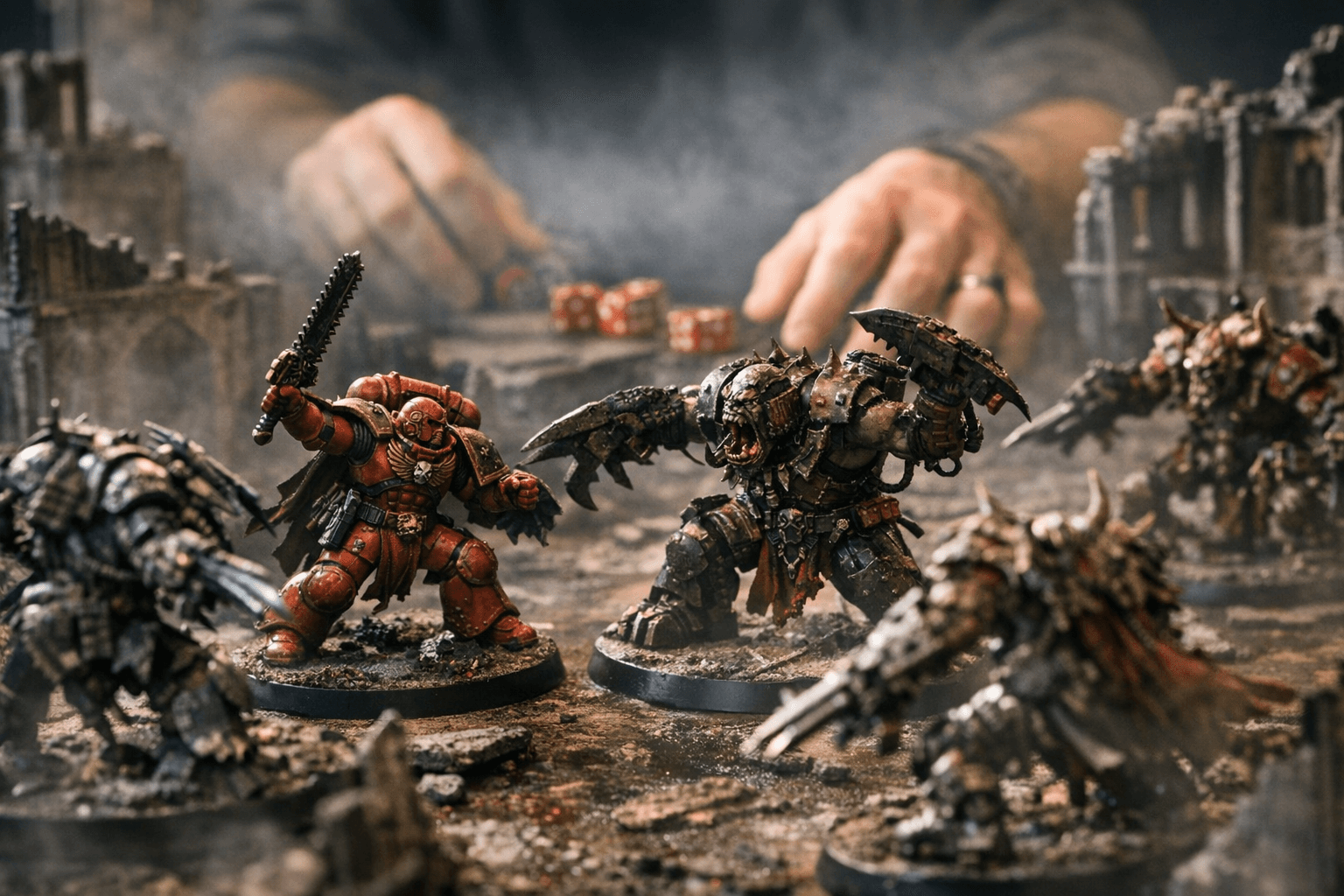
Warhammer 40,000’s new combat rules are not just a player-facing cleanup. They change what looks alive on the table, which matters a lot if you spend your weekends making a squad read like a battle scene instead of a row of models. Warhammer Community says the edition keeps close combat brutal, but makes it faster and smoother, and that shift pulls hobby value toward the armies and kits that can sell motion at a glance.
The headline changes are simple, but the hobby impact is big. Engagement Range moves from 1 inch to 2 inches, models can now move through an enemy model’s Engagement Range in the Movement phase, charge targets are chosen after rolling instead of before, and ingress-style setup lands more than 8 inches away from enemy models rather than 9. Put together, those changes make melee feel less like a sequence of failed dice checks and more like a running fight with room for positioning, pile-ins, and visual drama.
The models most likely to get more table time
The clearest beneficiaries are the units that already look like they are in the middle of something. Melee infantry with aggressive poses, big weapons, and obvious forward momentum should become even more attractive because the new rules make it easier to reach combat, stay in combat, and move through the scrum once you are there. That is good news for kits like Khorne Berzerkers, Ork Boyz, Genestealers, Assault Intercessors, and anything else built to look like it is lunging, sprinting, or smashing.
This also boosts the value of centerpieces that dominate the fight phase visually. Monstrous creatures, storming champions, and elite bruisers with sweeping weapons all benefit when combat is easier to frame as a scene rather than a tax on table time. If a model already has a dynamic silhouette, the new rules make it more likely to actually get used the way it looks, which is exactly the kind of table-time payoff painters care about.
What changed in the feel of melee
Games Workshop has been pushing this direction for more than one article. Ahead of the launch, Warhammer Community described the redesign as producing a "cleaner Fight Phase," with more flexibility in charge targeting, changes to activation order, faster damage resolution, and a different order for consolidation and pile-in moves. The April 15 combat piece fits that same philosophy: less friction, fewer dead charges, more story.
That matters because the old 1-inch engagement band often made combats feel static once models were in place. The move to 2 inches, alongside the more permissive movement through enemy engagement zones, opens the door to models that look like they are cutting through the line instead of politely stopping at the edge of it. In hobby terms, that rewards basing and posing that imply flow: feet planted on rubble, torsos twisted into the swing, arms extended, capes and chains thrown backward by the motion.
Before and after, from the hobby bench
The easiest way to understand the change is to picture the same unit before and after the update. Under the old system, a pack of chainaxe-wielding Berzerkers could look glorious but still spend turns fizzling at the edge of combat because the charge sequence was unforgiving and the fight phase was less forgiving once contact was made. Under the new system, that same unit is more likely to become a recurring presence on the table because the rules make the path into combat smoother and the follow-through easier to sustain.
The same goes for hordes and swarms. Ork Boyz, Tyranid melee organisms, and any mass infantry unit that looks best when it is pressing forward as a wall now have a better mechanical match to their visual identity. If you have been putting off finishing a batch because you were not sure they would get enough table time, this is the kind of rules shift that makes them feel worth the varnish, basing paste, and final edge highlights.
Deep strike, ingress, and display-ready staging
The change from more than 9 inches away to more than 8 inches for ingress-style setup sounds small, but it has a real effect on how assault units appear in motion. That extra inch of forgiveness expands landing zones and makes deep-strike style play feel less like a coin flip, which is a gift to units that depend on sudden arrivals. It also makes those miniatures more attractive as display pieces because their role on the table becomes more reliable and more cinematic.
For painters, this is where scenic bases start doing heavy lifting. A unit dropping from the skies, bursting through rubble, or stepping off a ruined walkway benefits from a base that explains the movement. If you build your Blood Angels, Ork kommandos, or elite jump infantry to read as part of a charge rather than a posed line, the new edition gives that work more value every time they land.
Why basing and silhouette matter more now
Warhammer Community has long treated painting as the process of turning models "from bare plastic to fully realised warriors." That language is especially relevant here, because the combat changes reward the parts of a miniature that communicate intent fast. A sword held high, a boot planted on a fallen foe, a banner snapping behind a charger, or a base angled to suggest forward pressure all become more useful when the rules support sustained melee and more fluid movement.
Strong basing also helps the table read better in a phase that is meant to be cleaner and faster. With more movement through engagement ranges and more freedom in charge target selection, there is more opportunity for miniatures to overlap visually without becoming confusing. That makes cohesive army styling, readable weapon directions, and consistent scenic elements more valuable than ever.
Why the new edition’s reveal matters to your pile of shame
The wider release context adds another layer. Warhammer Community revealed the new edition at AdeptiCon Preview 2026 in Milwaukee, Wisconsin, on March 26, 2026, and introduced Warhammer 40,000: Armageddon as the biggest Warhammer 40,000 launch set yet. The preview also pointed to Blood Angels and their long history of defending Armageddon, which gives painters an immediate visual lane: red armor, battlefield grit, and close-combat heroics.
That is the real hobby story here. The edition is being sold as smoother, faster, and more cinematic, and the combat rules back that up with a 2-inch engagement range, easier ingress, and a charge sequence that asks for less guesswork. If you have a shelf full of melee kits, this is the moment to finish the ones with the best motion, rebasing the ones that need a stronger stance, and showcasing the models that look most convincing when they are already halfway into the enemy line.
This article was produced by Prism’s automated news system from verified source data, official records, and press releases, then run through automated quality and moderation checks before publishing. The system is built and supervised by the people who set the standards it runs under. Read our full AI policy.
Did this article answer your question?