Warhammer Colour Masterclass shows how to paint Goff Orks for Armageddon
Warhammer’s Armageddon week is more than a launch tease: the new Goff Ork masterclass gives painters a usable scheme, while the other shows add lore and buy-in.
Armageddon’s week-long Warhammer TV push finally gives painters a reason to care beyond the box art
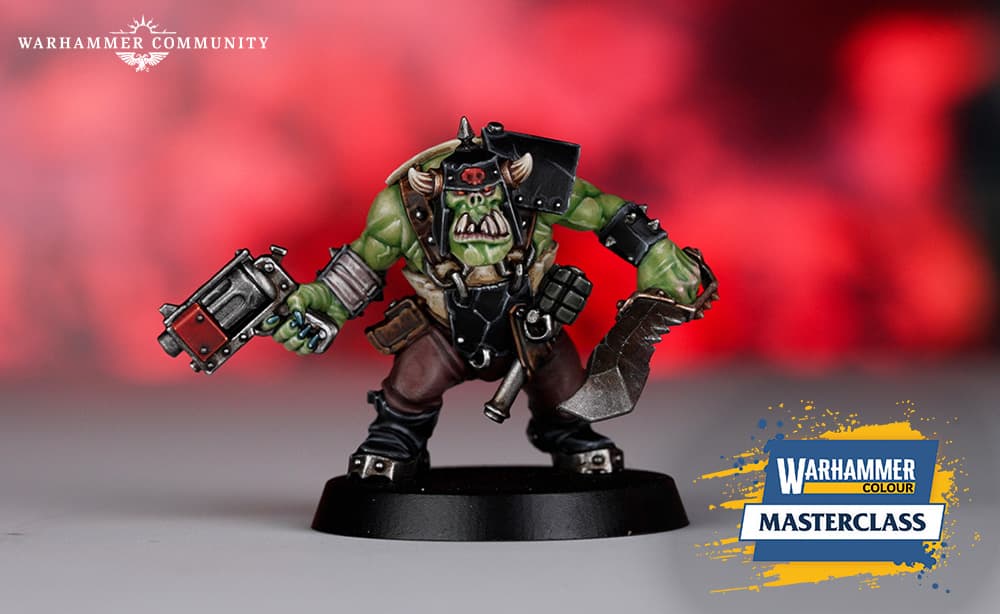
Warhammer has done the smart thing here: it has turned Armageddon into a hobby package, not just a rules drop. The key draw for painters is the coming Warhammer Colour Masterclass, which shows an Ork Boy painted as a Goff and, crucially, frames that scheme as something you can carry straight onto Warbosses and Weirdboys too.
That is the real hook in this Armageddon media burst. The new edition of Warhammer 40,000 goes up for pre-order on Saturday, and Warhammer TV is feeding the week with new episodes on Tuesday, Wednesday, and Thursday. If you are looking for a launch that actually hands you paintable value instead of just hype, this one is built around models you are likely to own very soon.
What the Armageddon starter pack actually gives you
The boxed set is not being sold as a single throwaway kit. Warhammer describes Armageddon as a box packed with miniatures, rules, lore, and more, which matters because it changes the way you should read the TV push around it. The hobby content is not floating separately from the release cycle. It is aimed right at the same battlefield where the new edition, the narrative, and the army projects all meet.
That matters even more because the story beat is built around a familiar 40K pressure point: the Ork horde has swelled after Ghazghkull Thraka’s return to Armageddon, and the Space Marines are launching Operation Imperator to stabilize the situation. That gives you immediate visual direction. If you paint Orks, you are looking at a wave of black armor, red checks, weathered metal, and hard contrast work. If you paint Imperial forces, the box and its lore are pointing you toward the counterattack side of the war, which is still a useful signal for basing, campaign markings, and battle-worn vehicles.
Why the Colour Masterclass is the one episode painters should circle
Of the three episodes, the Colour Masterclass is the most directly useful. Warhammer calls it a full miniature tutorial, which means it is not just a parade of finished photos or a quick tease of paint pots. It is being presented as a proper guide to painting an Ork Boy as a Goff, and that specificity is the value.
The important detail is scalability. Warhammer says the scheme can be applied to other Orks, including Warbosses and Weirdboys. That turns the episode from a single-model feature into a reusable palette system. If you are building out an Armageddon-era Ork force, you are not just learning how to finish one Boy. You are getting a base look you can repeat across infantry, character models, and probably any future reinforcement you slot into the army.
That is exactly the kind of masterclass painters can use immediately. A single Boy teaches you the armor finish, skin tone, cloth treatment, and visual identity for the faction. A scheme that stretches to Warbosses and Weirdboys tells you the studio is not treating this as a showcase piece. It is treating Goffs as a full-army language.
How We Roll and Loremasters still earn their place
The rest of the bundle is less directly hands-on, but it still adds value if you build armies with your eye on the table as much as the shelf. How We Roll: Warhammer 40,000 - 11th Edition: Detachments and Missions helps situate the new release in play terms, which matters if you like painting with list ideas in mind. Knowing how detachments and missions are being framed gives you a better sense of what kinds of units will see the table most often, and that can shape what you prioritize on the painting bench.
Loremasters: Operation Imperator does a different job. Warhammer says Operation Imperator is the expansive book included in the Armageddon box, and the lore round-table around it, with Phil Kelly joining the discussion, is there to unpack the campaign rather than the paint scheme. The story being told is the Space Marine counteroffensive meant to stabilize Armageddon before Imperial resistance crumbles, and that gives painters context for the kinds of armies, markings, and war-torn visual themes that fit the setting.
Even if you do not treat lore as a painting prompt, this episode matters because Armageddon is one of the classic 40K war zones. Commissar Yarrick, Ghazghkull Thraka, and Marneus Calgar all sit inside that legacy, which is exactly why a new launch there feels bigger than a one-box release. The setting already has a strong visual memory attached to it, and that makes it easier to paint armies that feel rooted in the wider universe.
The Vault pickup is a small but useful bonus
Warhammer Vault’s addition of White Dwarf 519 is the quiet extra for painters. Warhammer says that issue includes Astra Militarum regiments painted in a wide variety of colours, and that is a practical source of inspiration if you are building an Imperial force and do not want the default regiment look.
This is not the main event, but it is the kind of material that can save a project from feeling generic. A spread of different regiment palettes gives you permission to break away from one approved scheme and still keep the army coherent. For a faction as broad as the Astra Militarum, that kind of visual variety is often more useful than another round of generic “paint it better” advice.
Verdict: this is worth your attention right now
Taken together, Armageddon week does more than advertise a launch. It gives you a usable Ork scheme, a rules and missions frame, campaign lore that explains why the release matters, and a Vault bonus that can feed Imperial color decisions. The Colour Masterclass is the anchor, because it points directly at an Ork Boy and then opens the door to bigger models like Warbosses and Weirdboys.
That is why this push works for painters. It does not just say Armageddon is coming. It shows you what to paint, why that paint job fits the moment, and how the new edition is being built to look coherent on the table from day one.
This article was produced by Prism’s automated news system from verified source data, official records, and press releases, then run through automated quality and moderation checks before publishing. The system is built and supervised by the people who set the standards it runs under. Read our full AI policy.
Did this article answer your question?