Best Online Platforms for Discovering, Sharing and Promoting Minimal Techno
Minimal techno's best music lives on boutique platforms most casual listeners never find; here's where serious diggers, DJs and producers actually spend their time.
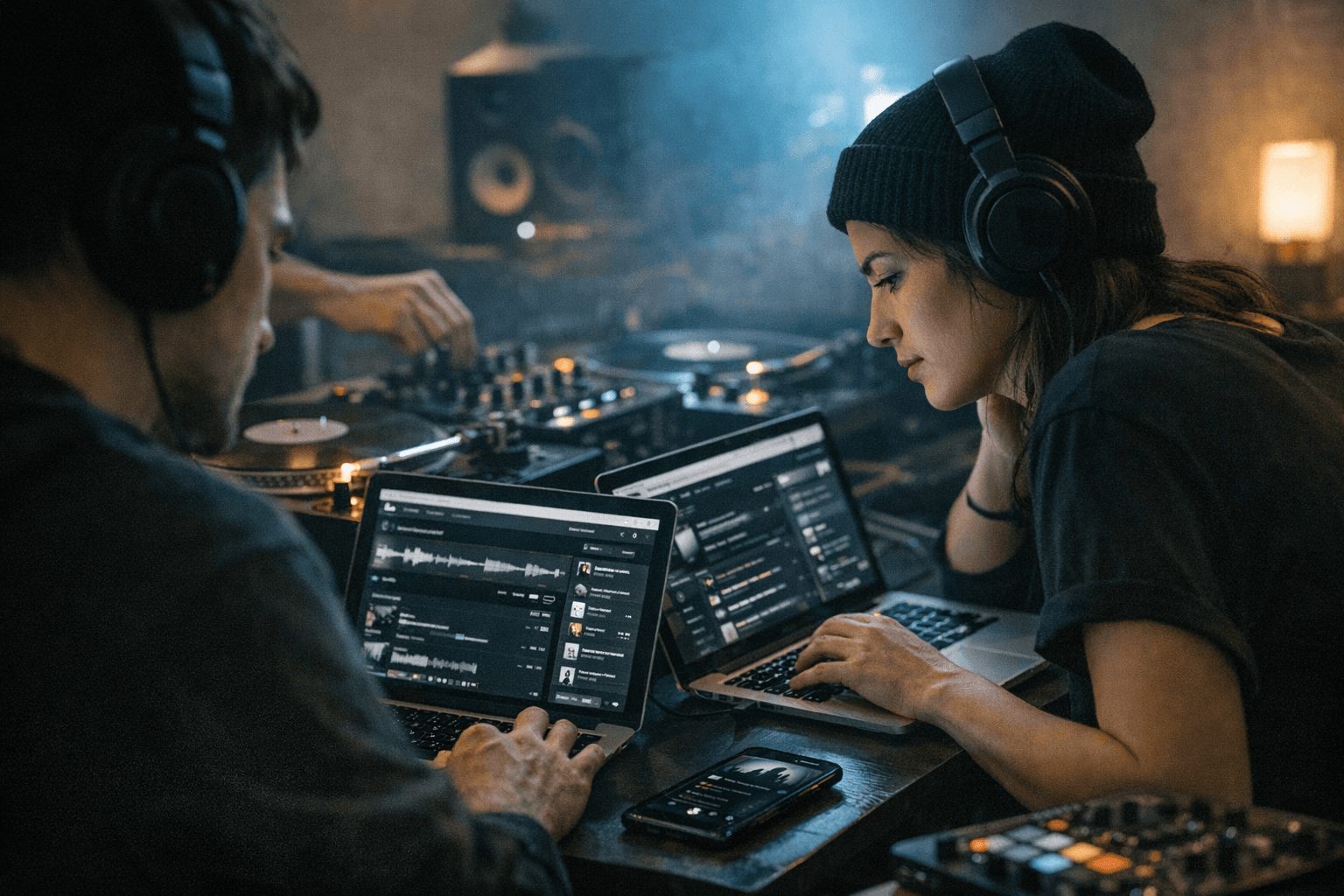
The minimal techno ecosystem doesn't live on mainstream streaming services. It's scattered across niche label pages, specialist mix platforms, producer forums and curated editorial outlets, and knowing which corners of the internet to haunt is half the battle. Whether you're a DJ hunting for unreleased dubs, a producer looking to get your tracks into the right promo pools, or a collector chasing limited pressings from micro-imprints, this is where the scene actually operates.
1. Bandcamp
The undisputed home base for underground minimal, microhouse and minimal techno releases. Boutique labels and self-releasing artists lean on Bandcamp for initial distribution and direct-to-fan sales, which means the most interesting material often surfaces here before it reaches anywhere else. Use the tag search function with terms like "minimal techno," "microhouse" and "minimal," and follow individual labels directly so new releases land straight in your feed.
2. Resident Advisor
Resident Advisor's event pages and artist profiles remain one of the most reliable references in the scene for tracking DJ appearances, club shows and line-ups. While its editorial arm covers scene commentary and artist interviews, the event and DJ database is where the practical intelligence lives: you can follow an artist's touring schedule, cross-reference festival bookings and identify which rooms are currently hosting minimal-focused nights across Berlin, Barcelona and beyond.
3. Mixcloud and Mixcloud Select
For long-form DJ sets and the kind of hour-plus mixes that genuinely showcase a minimal crate, Mixcloud is the central hosting platform. Selectors upload full sets here regularly, making it one of the best tools for previewing which tracks are actually getting DJ-tested in real conditions. Mixcloud Select adds a subscription layer that lets you support specific DJs directly, which matters in a genre that runs on small-scale economics.
4. SoundCloud
Still very much alive as a promo and preview channel. Newer mixes, alternative edits and label stream teasers often surface on SoundCloud before Bandcamp sales open, which makes it worth monitoring if you want early access to what labels are pushing. For producers, it remains a viable platform for uploading promotional versions and reaching DJs who are actively browsing for new material.
5. Bandcamp Daily
The editorial arm of Bandcamp publishes curated write-ups, label features and genre lists that periodically shine a light on minimal and microhouse scenes, including regional pockets that rarely get coverage elsewhere. It functions as a discovery layer on top of the marketplace itself: a well-placed Bandcamp Daily feature on a boutique label can introduce that imprint's entire back catalogue to a new audience overnight.
6. Mixmag
Mixmag covers news, features and weekly picks across house and techno subgenres, giving minimal techno a point of contact with a broader electronic music readership. Its coverage isn't minimal-exclusive, but for producers and labels looking to reach DJs who move across multiple subgenres, a Mixmag mention carries genuine reach. The weekly picks format is particularly useful for staying aware of what's crossing over from the underground into wider DJ consciousness.
7. Sonic Academy
For producers working on their sound, Sonic Academy offers structured tutorials and genre-focused courses that include specific minimal techno lessons. The platform breaks down the arrangement and sound design choices that define the genre: sparse percussion programming, subtle filtering, micro-groove construction. Project-based lessons mean you're learning by building tracks rather than watching abstract theory, which is the right approach for a genre where craft is everything.
8. EDMProd
EDMProd operates alongside Sonic Academy as a practical production resource, with guides and courses oriented toward producers at various skill levels. The focus on actionable, project-based learning makes it useful for anyone trying to understand the production logic behind minimal techno's restraint: how to make a track feel full without filling every frequency, how to build tension across eight minutes without relying on obvious drops.
9. Sample pack and sound library shops
Curated minimal and microhouse sample packs can significantly accelerate sound design work, particularly for producers still developing their ear for the genre's textures. When searching for packs, prioritize those that emphasize micro-percussion and analog textures rather than generic techno kits; the difference between a minimal-specific pack and a general techno pack is audible immediately in the groove feel and the space between hits. Reputable vendors offer genre-tagged searches that make filtering straightforward.
10. Reddit subcommunities and Discord collectives
Genre-specific subreddits and private Discord servers are where producers share stems, post remix calls and circulate gig leads. These communities operate at a scale where direct conversation is still possible: you can ask a label owner a question, share a work-in-progress and get feedback from working DJs, or find out about an open slot at an underground night before it's publicly announced. The informal economy of the minimal scene runs heavily through these small networks.
11. Label mailing lists and Bandcamp follows
Many small labels maintain direct mailing lists for promo distribution, and getting on those lists is often a matter of reaching out and introducing yourself. Combined with Bandcamp follows, a curated list of a dozen or so labels gives you a near-complete picture of what's releasing in the minimal space in any given week. For DJs especially, this is the most efficient way to stay ahead of the curve on limited pressings and digital-only promos.
12. Local event listings and club calendars
For deeper scene integration, tracking the resident nights and recurring club events in minimal techno's key cities is essential. Berlin, Barcelona, London, Buenos Aires and Tokyo each host underground club nights with minimal-focused lineups, and following local event calendars for those cities surfaces the community infrastructure behind the recorded music: the DJs, the resident nights, the promoters and the rooms where the sound actually lives in practice.
The minimal techno scene rewards sustained attention to these specific channels over passive browsing on mainstream platforms. Labels with five releases and fifty followers on Bandcamp are producing some of the most interesting material in electronic music right now. The infrastructure for finding it, learning from it and contributing to it is all there; it just takes knowing where to look.
This article was produced by Prism’s automated news system from verified source data, official records, and press releases, then run through automated quality and moderation checks before publishing. The system is built and supervised by the people who set the standards it runs under. Read our full AI policy.
Did this article answer your question?