Essential Minimal Techno CDs Every Collector Should Own: DE9, Hood, Plastikman
Collectors crowdsourced essential minimal techno CDs and why they matter to physical-format libraries.
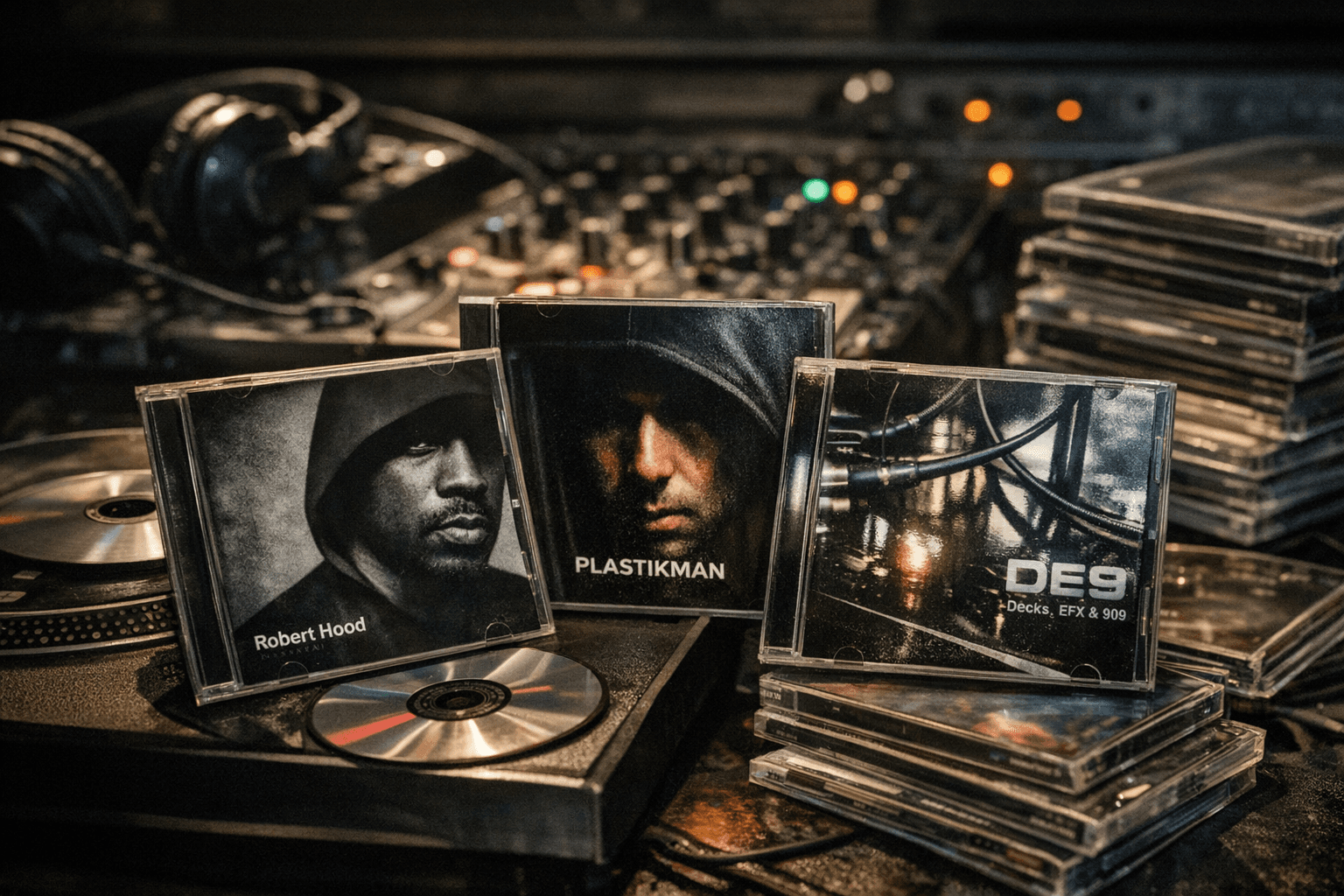
A community discussion produced a compact shortlist of minimal techno CDs that matter for any physical collection, and the debate clarified why format and context still count in a streaming age. The original post read, "I love to collect CDs. What are some essential minimal techno discs?" and longtime listeners and collectors responded with a set of canonical picks and practical buying notes.
Top recommendations landed on three pillars and a supporting cast. Richie Hawtin's DE9 material - including Closer to the Edit and entries from the DE9 series - came up repeatedly as an example of the edit-driven, DJ-as-curator approach that reshaped how mixes were presented on CD. Robert Hood's Internal Empire was highlighted for its stripped-back Detroit minimalism and influence on modern club programming. Plastikman’s Sheet One was flagged as a crucial study in acidic minimal textures and studio austerity. Other community picks included Daniel Bell's The Button Down Mind Of Daniel Bell, Ricardo Villalobos' Fabric 36 mix as an exemplar of fabric-mix sequencing, Chris Liebing's U60311 and Techno Division mixes for harder techno programming, and Jeff Mills' Live at the Liquid Room, Tokyo for live-set energy captured to disc. Labels M_nus and Perlon were named as label destinations to hunt for consistent pressing and curatorial threads.
Practical value came through in specific collector advice. Check for CD reissues and anniversary pressings when possible; reissues can offer remastering notes, extra liner information, or tour-related relistens that clarify a record's place in an artist's arc. Seek live-set recordings when you want the raw, extended-structure experience that studio albums do not provide. Look at sequencing on DJ mixes - Fabric and U60311 releases often showcase long-form transitions and programming choices that teach mixing technique as much as they deliver tracks. For sourcing, verify pressing details and liner credits to identify original pressings versus later editions; sound-stage and mastering differences remain tangible on CD.
The thread also surfaced a healthy genre debate. Commenters pushed back on the single label "minimal," pointing out overlaps with Detroit techno, minimal wave influences, and the distinct aesthetics of live-set mixes. That pushback is useful for cataloguing: a DE9 edit teaches different lessons from a Hood LP or a Villalobos fabric mix.
What this means now is straightforward: start building with these reference points and use the CDs to map stylistic shifts - edit technique, stripped-back groove, acid minimalism, and live-set dynamics. Check for reissues, compare pressings, and let the physical artifacts guide listening sessions that streaming algorithms cannot replicate.
This article was produced by Prism’s automated news system from verified source data, official records, and press releases, then run through automated quality and moderation checks before publishing. The system is built and supervised by the people who set the standards it runs under. Read our full AI policy.
Did this article answer your question?