Essential Minimal Techno Primer Teaches How Less Becomes More
A comprehensive primer lays out the aesthetics, history and hands-on production techniques behind minimal dance styles, with clear, practical advice for making loop-driven tracks that endure repetition. The piece explains why simplicity matters, traces roots to Detroit pioneers like Robert Hood and later European proponents, and gives actionable studio and mixing approaches for producers and DJs.
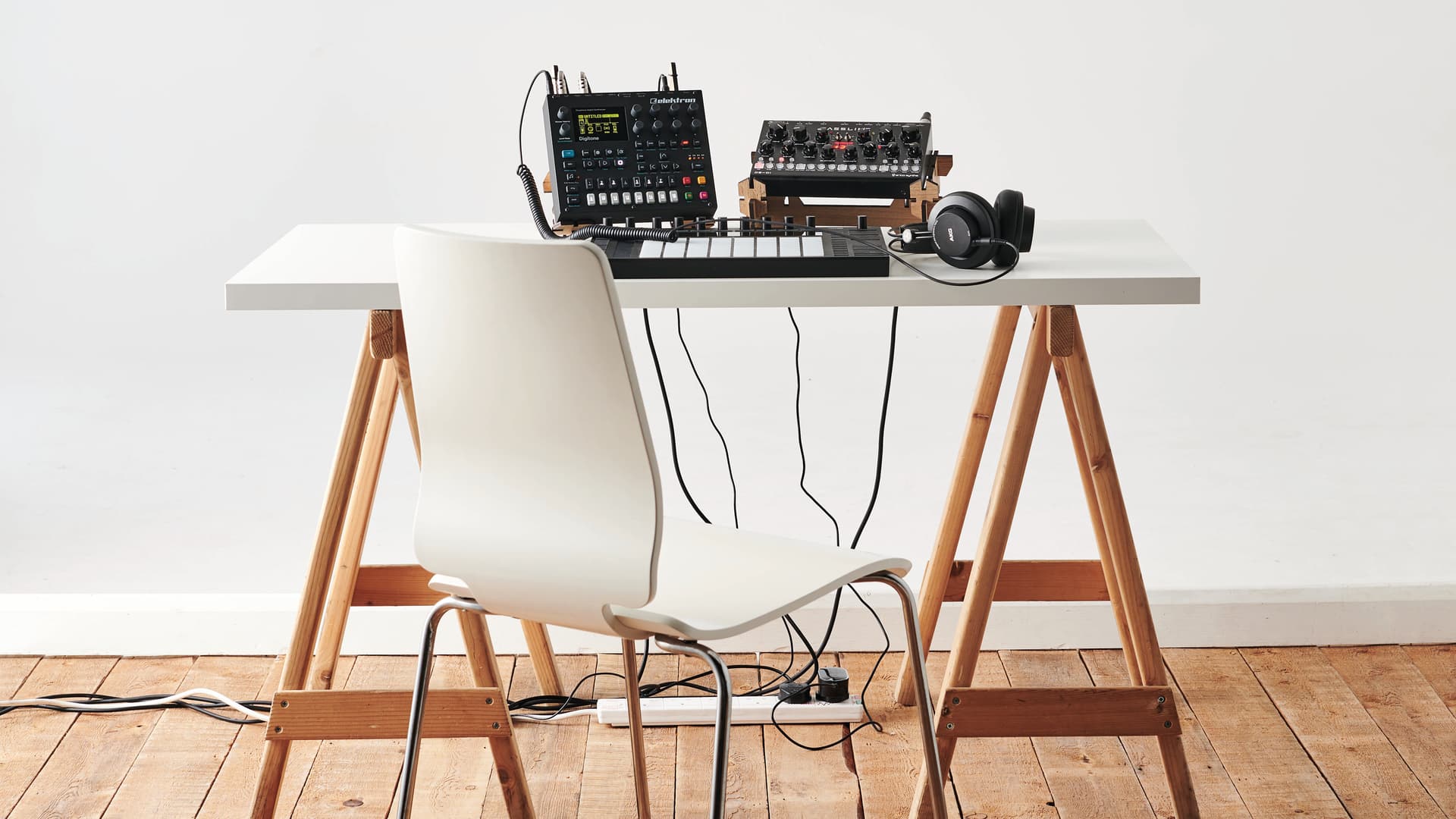
Minimal techno thrives on repetition and restraint, and this primer breaks down why those qualities matter and how to achieve them in the studio. It centers on the core idea of loop-driven simplicity, showing how a small set of elements can be shaped into long-form movement through careful arrangement, subtle automation and filter work. For anyone new to the style, the guide explains how reducing material forces smarter choices about texture, groove and space.
The historical context anchors those production choices. Detroit pioneers such as Robert Hood established the ethos of pared-back tracks that emphasize rhythm and micro-variation. Later European proponents carried that aesthetic forward, refining approaches to tension and release that suit club and late-night listening alike. Understanding that lineage helps explain why minimal tracks often prioritize function and mood over ornament.
The primer gives concrete tactics for sound design and arrangement. It lays out how to build a compelling loop by choosing a few decisive elements and letting them interact, then extending interest through subtle automation and filters to create long-form evolution. Delay and reverb are framed not as mere ambience but as rhythmic tools that operate in sync with the loop, while percussion and sample preparation receive special attention so hits remain clear and musical even under repetition.
Practical mixing tips focus on transparency and impact. Keep low-frequency information focused, carve space for percussive transients, and aim for clarity rather than sheer loudness. Limiting the palette makes those mixing choices more effective: with fewer tracks competing for energy, each element can be shaped to contribute to groove and momentum. The guide also outlines sample and gear types commonly used in minimal workflows and how to choose sounds that sit well together rather than dominate.

Apply these ideas in short, repeatable exercises. Limit your arrangement to three to five elements and work a single loop for an hour, introducing tiny variations every 16 or 32 bars. Test tracks in different playback environments to confirm that your groove holds up on club systems and earbuds. Focus on micro-variations - subtle velocity shifts, filter sweeps, timed delays - to sustain interest without cluttering the mix.
For the Minimal Techno community, this primer is a practical reference and a toolbox. It helps producers translate the aesthetic of "less" into working methods that yield tracks built for extended play and DJ-friendly structure. DJs get clearer, more reliable material to mix; listeners get music that rewards attention over long stretches. Follow the techniques here and you’ll find that restraint opens more creative possibilities than you might expect.
This article was produced by Prism’s automated news system from verified source data, official records, and press releases, then run through automated quality and moderation checks before publishing. The system is built and supervised by the people who set the standards it runs under. Read our full AI policy.
Did this article answer your question?