Hiroyuki Arakawa's STREET delivers stripped-down, nocturnal techno momentum
Arakawa’s two-version STREET turns nocturnal atmosphere into club pressure, with a rolling original and a 7:13 DJ Edit built for long blends.
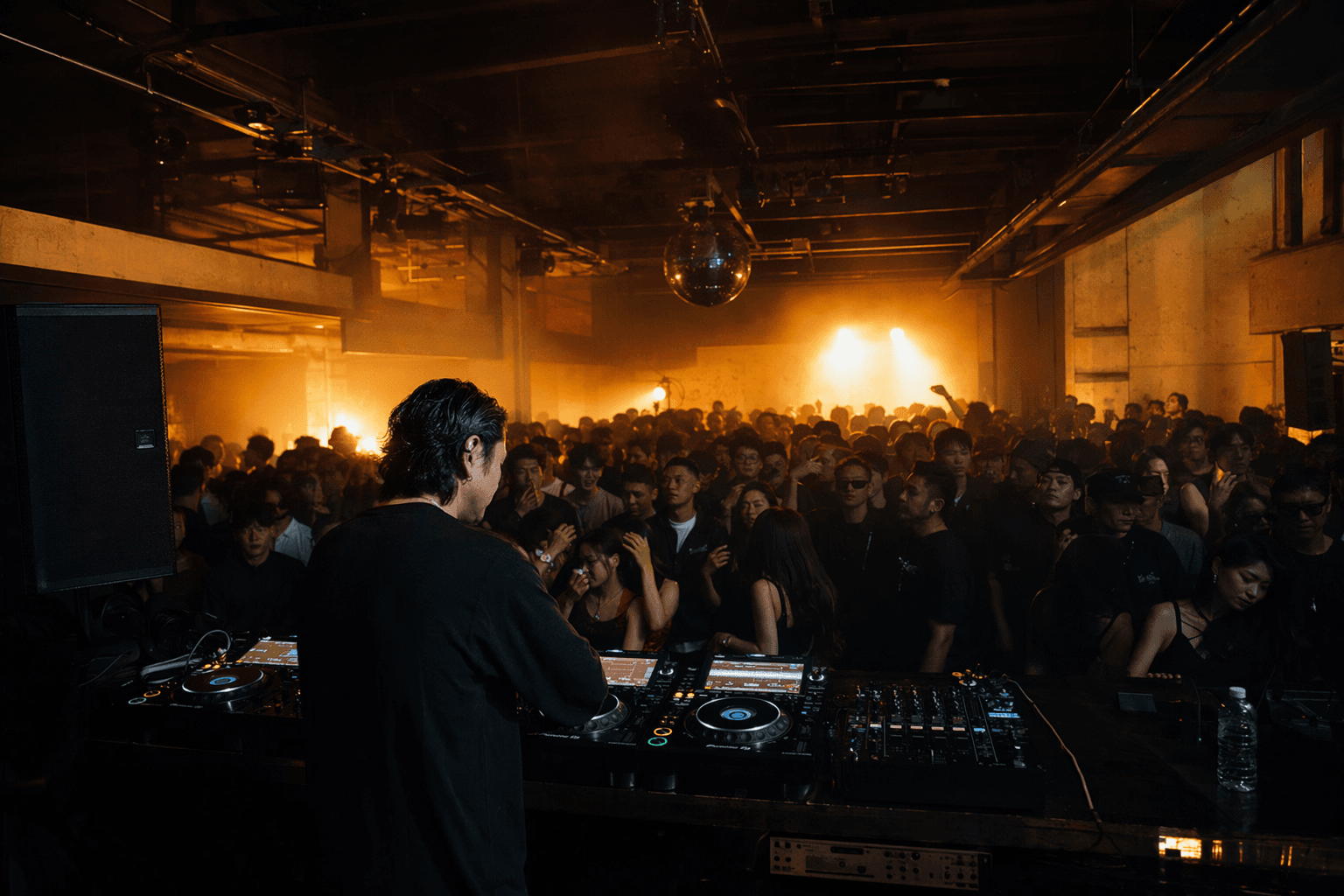
Hiroyuki Arakawa’s STREET lands as a compact, club-ready statement of restraint. Released by SPECTRA on May 3, 2026, the two-version single pairs the original STREET with a DJ Edit, and both versions stay in the seven-minute zone, giving selectors a long-form tool rather than a quick peak-time sprint.
The release is built around a solid, rolling groove and a mood that Arakawa’s own copy ties to the atmosphere of the city at night. That framing matters. STREET does not chase big breakdown drama or flashy drops; it leans on subtle textures, a stripped-down chassis, and steady pressure that keeps shifting just enough to hold tension across a mix. The result feels close to the core logic of minimal techno: repetition with intent, detail over excess, and momentum created through small changes rather than obvious peaks.
The Bandcamp description calls the sound minimal yet forceful, designed to translate on club systems, and that is exactly where STREET looks most useful. The original version works like a late-night lane setter, the kind of track that can open a set without giving too much away or lock a room into a deeper groove once the floor is already moving. The DJ Edit, listed by Juno at 7:13, sharpens that function further, making it a practical transition tool for selectors who want control over the room without losing the track’s dark, urban edge.
Beatport lists the single as catalog SPTR015 with a release date of May 4, 2026, one day after the Bandcamp date, a small sign of the staggered rollout behind the release. That detail fits a project that feels tailored for working DJs first and headline copy second.
Arakawa’s broader profile gives STREET extra weight. Artist bios describe him as a Japanese techno artist moving between minimal and Detroit techno, with a strong focus on groove, rhythm, and synthesizer intensity. ALZAR OSAKA says he founded SPECTRA in 2015, while also noting that his MULLER RECORDS release KAN KAKU EP drew support from Laurent Garnier and that Alexander was licensed to Toolroom and played on Mark Knight’s radio show. Those touchpoints place STREET inside a wider line of functional, DJ-tested techno rather than a one-off mood piece.
For readers who track the genre’s lineage, that also links cleanly back to minimal techno’s own history as a stripped-down form built on repetition and understated development, a language that helped define scenes far beyond Japan, including Berlin, where the Love Parade reached 1.5 million participants in 1999. STREET fits that tradition by keeping the arrangement lean and the intent clear: atmosphere, pressure, and motion, with nothing wasted.
This article was produced by Prism’s automated news system from verified source data, official records, and press releases, then run through automated quality and moderation checks before publishing. The system is built and supervised by the people who set the standards it runs under. Read our full AI policy.
Did this article answer your question?