Luke Slater returns as Planetary Assault Systems with live-built techno album
Luke Slater's Planetary Assault Systems return spotlights techno's current shift toward live-built tension, label identity and club tools with experimental edges.
What this roundup says about techno right now
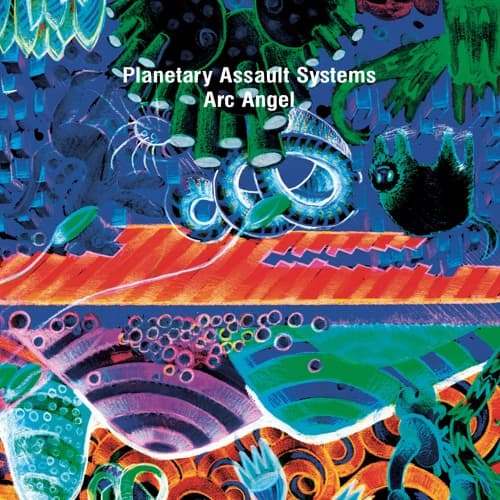
Luke Slater’s return as Planetary Assault Systems does more than add another album to the shelf. It shows a scene where techno is being rebuilt through process: live-tested ideas, tightly controlled rhythm, and records that function as both dancefloor weapons and career markers. The 13-track album on Ostgut Ton is framed as polyrhythmic techno shaped by intricate synthwork and percussion, with the crucial detail that it was developed in live-show form before being locked into studio shape.
That live-to-record pipeline is the big signal here. In minimal techno, the difference between a good track and a lasting one often comes down to how motion is sustained over time, how repetition mutates, and how small shifts carry the room. Slater’s Planetary Assault Systems project lands squarely in that space, where studio polish matters, but the real test is whether the material can breathe in front of a crowd before it hardens into an album.
Planetary Assault Systems and the value of live-built techno
The reason this return matters is not just that Luke Slater is back under one of techno’s most respected aliases. It is that the album is being presented as the result of performance practice, not a detached studio exercise. That matters in stripped-back circles because the strongest minimal records often sound like they were already road-tested, as if the machine learned its shape by moving through bodies and rooms first.
A 13-track album also tells its own story. It suggests range, but not necessarily bloat, especially when the language around it points to polyrhythms, intricate synthwork and percussion rather than big melodic statements. For listeners who track the line between functional club material and something more textural, this is exactly the kind of release that can read as a milestone: a record that reflects where Slater is now, and where techno itself is leaning, toward precision with pressure.
Batu and Donato Dozzy make collaboration feel like method
If Planetary Assault Systems represents the deep career marker, Batu and Donato Dozzy working together for the first time on Exhale, due June 30, shows the other side of the same pattern. This is a collaboration being sold less as a novelty and more as a genuine exchange of studio instincts. Batu said the pair tried many tempos and rhythmic patterns before arriving at the final direction, and that detail is the key to why the release matters.
Tempo hunting is not a throwaway production anecdote here. It tells you the trackmaking process is still central to how techno earns its shape, especially when artists from adjacent but distinct corners of the genre meet in the middle. Dozzy’s hypnotic pull and Batu’s gear-driven rhythmic focus make sense together because both approaches depend on patience, texture and tension. The result is not framed as a one-off stunt, but as a dialogue between methodical studio experimentation and the kind of momentum that only makes sense once the beat starts to lean.
Why labels still matter in a scene built on movement
The roundup also points to another strong trend: artists are using labels as statements of identity, not just distribution channels. gyrofield launching her own Field Research label with Your Fight is a clear example. A three-track EP described as slinky, breaky and percussive fits the wider mood of this moment, where minimal-adjacent techno often carries sharper edges and more rhythmic cross-pollination than older definitions of the form might expect.
That label move matters because it gives the release a frame. A debut on an artist-run imprint says something different from a loose single drop, especially in a scene where curation is part of the music’s meaning. Field Research signals intention, while the music itself leans into tension and movement rather than empty reduction. In other words, the label is part of the story, not just the wrapper around it.
Demuja stretches the dancefloor into a longer memory
Demuja’s title.txt on Peach Discs pushes the same idea in another direction. The seven-track release moves through dub, techno, 140 and breakbeats, and it is cast as a love letter to a long, sweaty dancefloor night. That combination is telling because it collapses the old boundaries between club function and wider rhythmic culture. Dub is no longer just a reference point, it is one of the recurring motifs shaping how these records hold space and depth.
The range here is what gives the release its weight. Seven tracks gives Demuja enough room to shift tempo and mood without losing the thread, and the move through dub, techno, 140 and breakbeats suggests a producer working from atmosphere as much as from drive. For a minimal techno audience, that is the connective tissue worth watching: a record can stay dancefloor-focused while still borrowing texture, swing and weight from outside the strict techno grid.
Heavee and the pull toward unstable texture
Heavee’s Mainframe closes the picture by pushing toward unstable synth textures, and that detail is not minor. It shows how much current techno coverage is rewarding records that feel slightly off-kilter, even when they are still built for movement. Instability, in this context, is a feature rather than a flaw. It keeps the track from flattening into generic utility, and it gives the music a human edge even when the machinery is doing the heavy lifting.
Taken together, these releases show a scene that is being re-authored through friction. Slater’s live-built album, Batu and Dozzy’s tempo-hunting collaboration, gyrofield’s label debut, Demuja’s genre-spanning seven-tracker and Heavee’s unstable textures all point in the same direction. Techno is still about the club, but the strongest records are now just as likely to arrive as statements of method, scene position and sonic identity.
That is the bigger pattern Mixmag’s selections reveal: the line between club functionality and experimental texture is getting thinner, and the records that cut through are the ones that treat that blur as the point, not the compromise.
Know something we missed? Have a correction or additional information?
Submit a Tip