Minimal Techno Production Rules: 124-128 BPM, Sparse Layers, Long Transitions
Producers center tracks at 124-128 bpm with single-kick grooves, sparse 2-4 element loops, and 32-128 bar transitions for club-ready mixes.
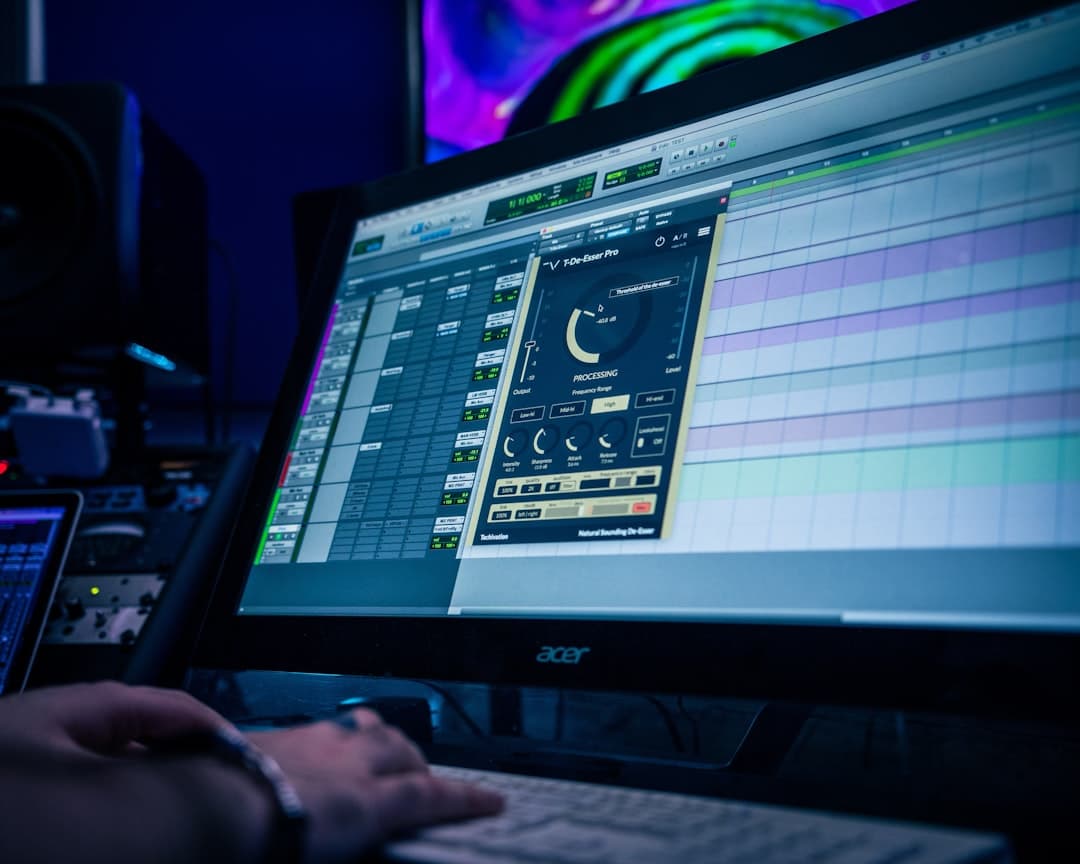
Centering minimal techno production at 124-128 bpm gives a practical anchor for groove, energy, and DJ compatibility. Start with a clean 4/4 template, route a tight low-end bus, and keep clear headroom for sub bass so the dancefloor translation stays solid.
Build the track around a single punchy kick. Sculpt the kick with transient shaping and a gentle sidechain to lock it to the bass without pumping the entire mix. Place percussive micro-variations - off-grid hi-hat ticks and subtle shuffled hats - to introduce movement while avoiding clutter. Reserve clicks and hi-mid detail for percussive definition so every element has its own space.
Limit loop content to 2-4 core elements: kick, bass, one percussive groove element, and one evolving texture. Sparse layering forces careful choices: automate filter resonance (Q) and level changes across long phrases rather than stacking new sounds constantly. Automation across long runs lets a texture breathe and evolve without busying the arrangement.

Textures and atmosphere should be generous but understated. Use long, filtered reverb tails, delays, and subtle granular resampling to create depth; send small amounts to auxiliary FX channels instead of loading the master bus. That keeps the master uncluttered and preserves low-end clarity for club playback.
Arrange for tension with long transitions. Favor transitions that span 32-128 bars and move energy by adding or removing a single element. Focus on micro-variation - EQ dips, transient edits, and automation of a high-shelf - to change momentum without resorting to dramatic breakdowns. These slow-moving shifts make tracks DJ-friendly and easier to mix in extended sets.
Mixing should be intent-driven. Carve frequencies decisively: place kick and sub, lock mid bass, and leave click and hi-mid for percussive detail. Use parallel compression for color and thickness rather than over-compressing the sum. Automate stereo width sparingly to keep the low end mono and reliable on club systems.
Design DJ tools into the project. Create intros and outros with 1-2 loopable elements for beatmatching, and export locked groove or variation-friendly stems for live performance use. These options increase the track’s utility for DJs and help a record earn plays in club sets.
This set of rules is compact and practical: tempo, restraint, and patient transitions. Apply them and expect cleaner mixes, more DJ plays, and tracks that sit well on club systems.
This article was produced by Prism’s automated news system from verified source data, official records, and press releases, then run through automated quality and moderation checks before publishing. The system is built and supervised by the people who set the standards it runs under. Read our full AI policy.
Did this article answer your question?