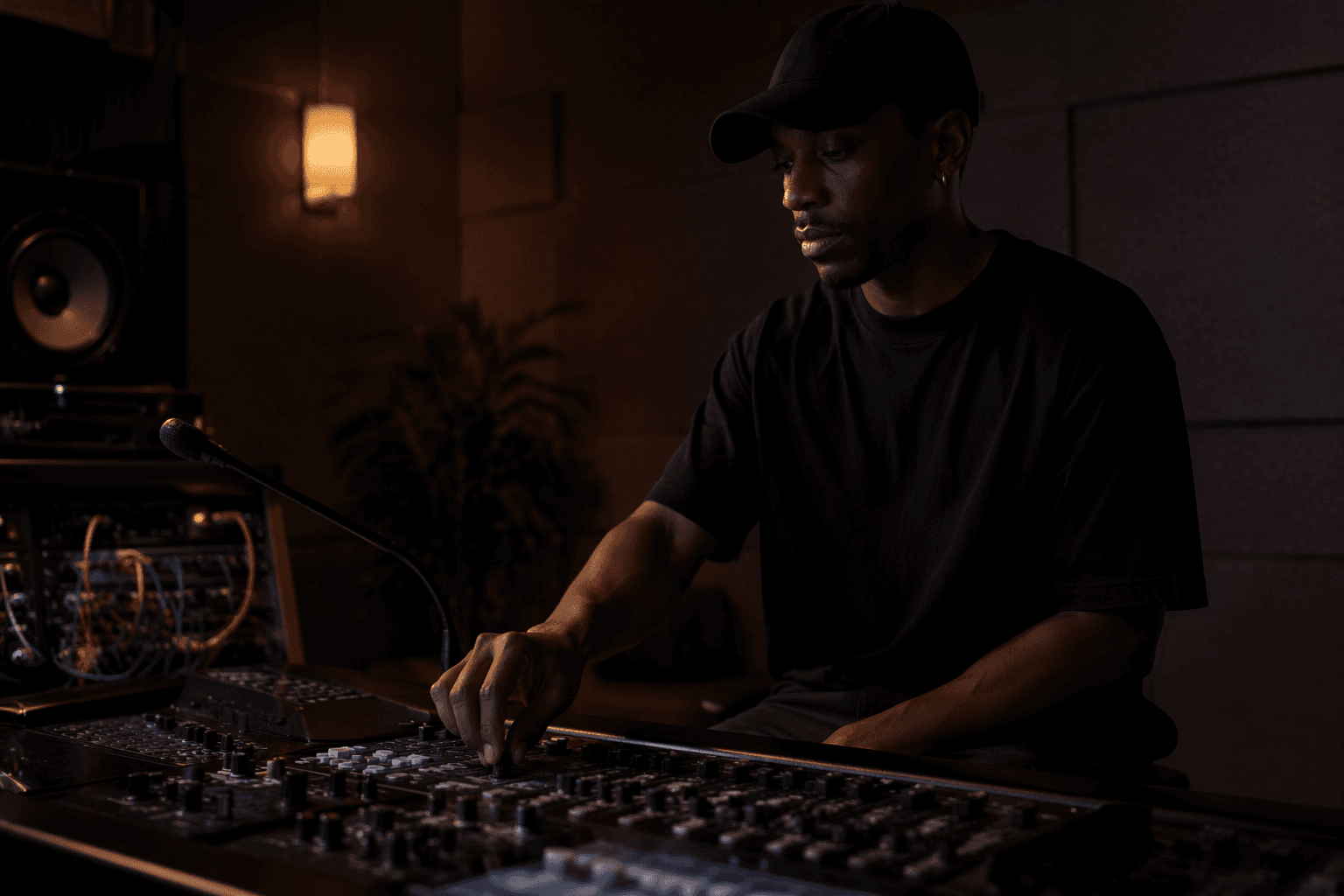
Nicolas Vogler returns with 2000s-inspired minimal techno four-tracker NCLS014
Nicolas Vogler’s NCLS014 turns a four-track EP into a sharp argument for disciplined, dancefloor-first minimal techno, with every cut built for movement.
NCLS014 as a label statement
NCLS014 arrives like a decision, not a detour. Nicolas Vogler returns to his own imprint for the 14th entry in the NCLS series, and the framing is as clear as the music’s purpose: a 2000s-inspired minimal techno four-tracker built exclusively for dancefloors. That matters because it places the release in a format the scene knows well, one that trusts arrangement discipline, looping pressure, and gradual motion over oversized breakdowns or obvious spectacle.
The slower pace noted around the release does not read as a retreat. It reads as control, which is often the more interesting move in minimal techno when the room is already listening for detail. Vogler’s catalog mindset also gives the EP weight before a single bar lands, because this is not a loose one-off but another chapter in an imprint that has been built, numbered, and kept alive with intent.
Four tracks, four different angles on the same tension
The record is made up of Cliffhanger, Dramaturgia, I’ve been here before, and Ronette’s Dream, and even the titles suggest how the release thinks in arcs rather than isolated hooks. Cliffhanger sounds like the functional opener, the kind of name that implies pressure before release. Dramaturgia points toward structure and narrative shaping, while I’ve been here before brings in the circular memory that minimal records often lean on when repetition starts to feel like a spell instead of a loop.
Ronette’s Dream gives the closing slot a softer, more romantic image, but in this context that does not mean a drop in function. It suggests a final stretch that keeps its pulse while widening the emotional frame, which is exactly the sort of understated move that can make a four-track EP feel larger than its runtime. The track titles do some of the job DJs usually do with these records: they mark the contour, hint at the mood, and leave enough space for the floor to fill in the rest.
The NCLS series keeps building its own language
Part of what makes NCLS014 land is that it sits inside a very legible catalog. NCLS001 arrived on 01 February 2019 as a 2-track mini-EP and introduced the series as Vogler’s first self-release, already tied to a dancefloor-oriented, 90s-inspired minimal mindset. From there the sequence kept moving with NCLS003 on 01 January 2020, NCLS004 on 05 June 2020, NCLS007 on 07 May 2021, NCLS009 on 02 September 2022, NCLS010 on 27 July 2023, NCLS011 on 22 March 2024, NCLS012 on 25 October 2024, and NCLS013 on 03 September 2025.
That timeline matters because it shows continuity, not random drops. Earlier copy for the series repeatedly emphasized minimalism, small details, loopy sequences, and dancefloor utility, and NCLS004 in particular was described as a two-track EP of fast-paced raw loopy techno, while NCLS007 was framed as simple but well crafted 4/4 modularish techno. NCLS014 does not break from that language so much as refine it, extending the imprint’s identity into a fuller four-track format that still privileges function, restraint, and motion.
Why this four-tracker feels current instead of nostalgic
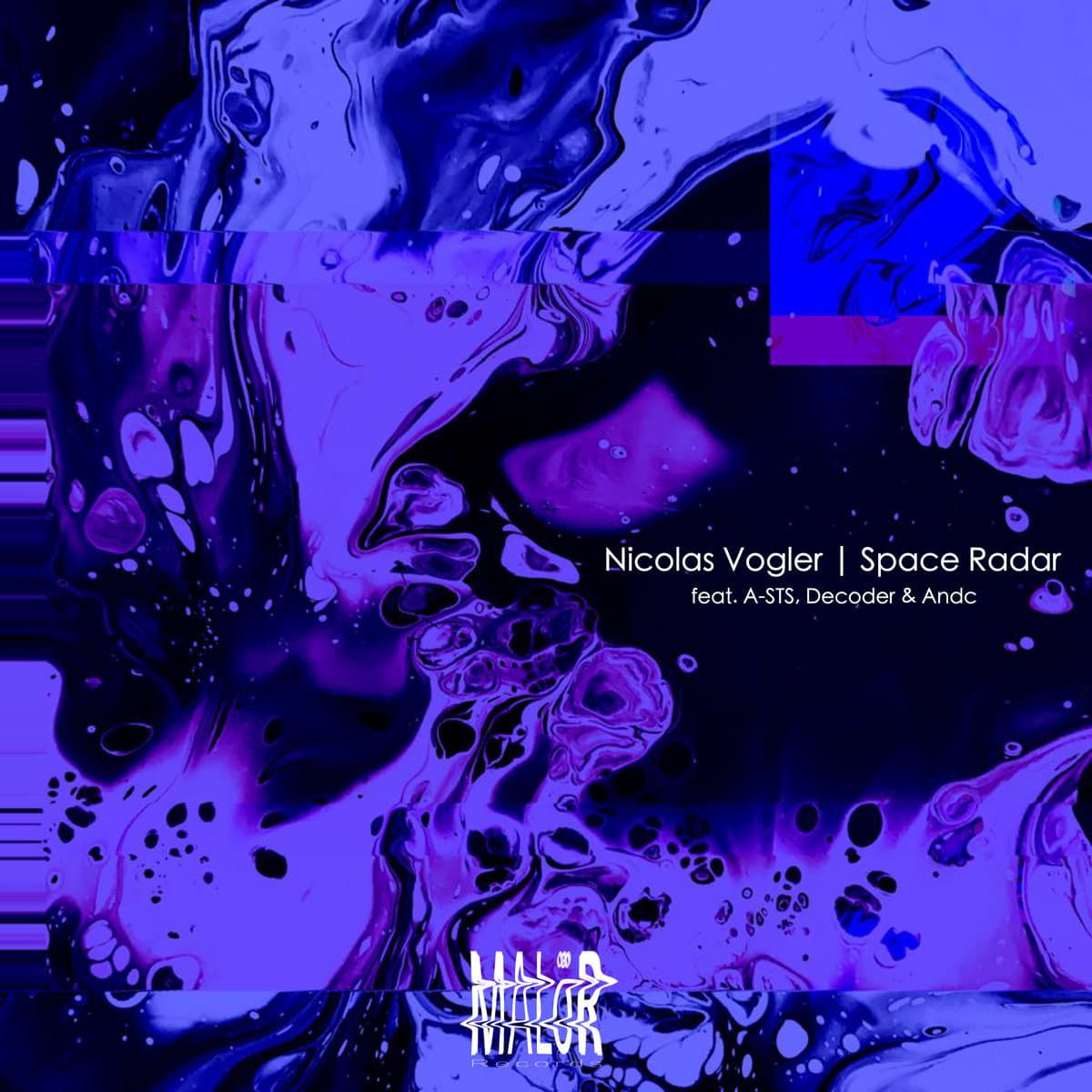
Vogler’s wider profile helps explain why the release feels like a fresh case for the format rather than a museum piece. In podcast bios, he is described as a Brazilian-based techno producer, DJ, and mastering engineer, strongly inspired by the raw and energetic sound of the 90s. The same bios say his discography spans just over 150 tracks, 30 albums, and 50 mixtapes, with releases on Mutual Rytm, Planet Rhythm, Suara, Syxt Berlin, Malör Records, Orphic Amsterdam, Frenzy, and Reclaim Your City.
That broader résumé gives NCLS014 a useful tension of its own. Vogler is not only presenting a self-release series, he is doing it from inside a working network of underground techno labels and scene support, which makes the imprint feel like part of the circulation system rather than an isolated home project. The result is a release that understands how older structural language can still work now: not by imitating the past, but by tightening the frame, keeping the groove lean, and letting the catalog speak with more confidence each time the number goes up.
This article was produced by Prism’s automated news system from verified source data, official records, and press releases, then run through automated quality and moderation checks before publishing. The system is built and supervised by the people who set the standards it runs under. Read our full AI policy.
Know something we missed? Have a correction or additional information?
Submit a Tip