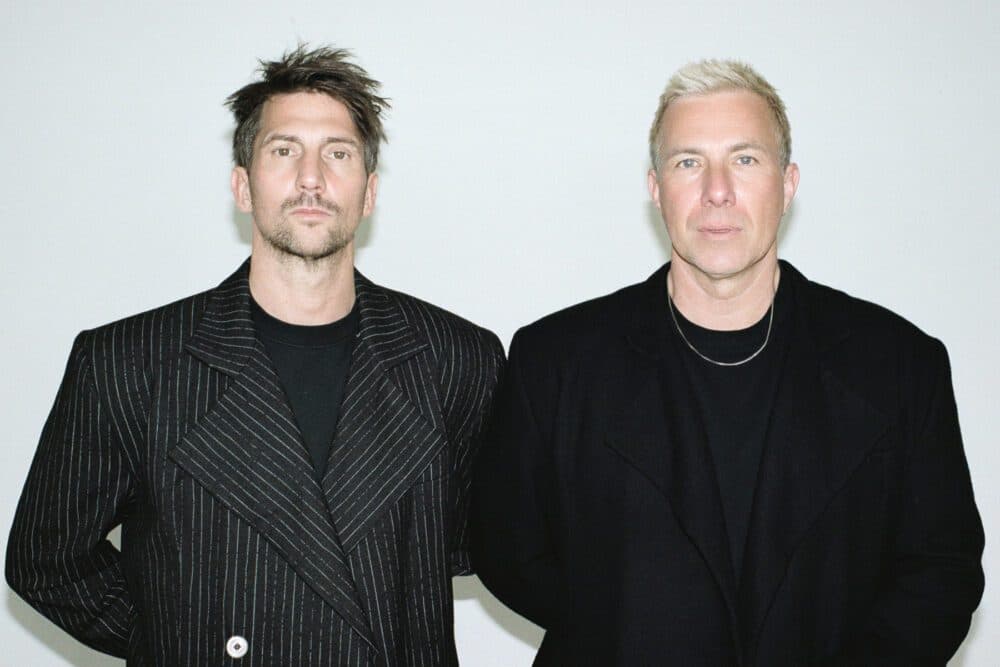
Skrillex and Berlin Atonal launch CONTRA in Kraftwerk Berlin
CONTRA’s Kraftwerk debut turned track IDs into a map of where Berlin club culture is heading: deeper bass, rougher rhythms, and wider genre traffic.

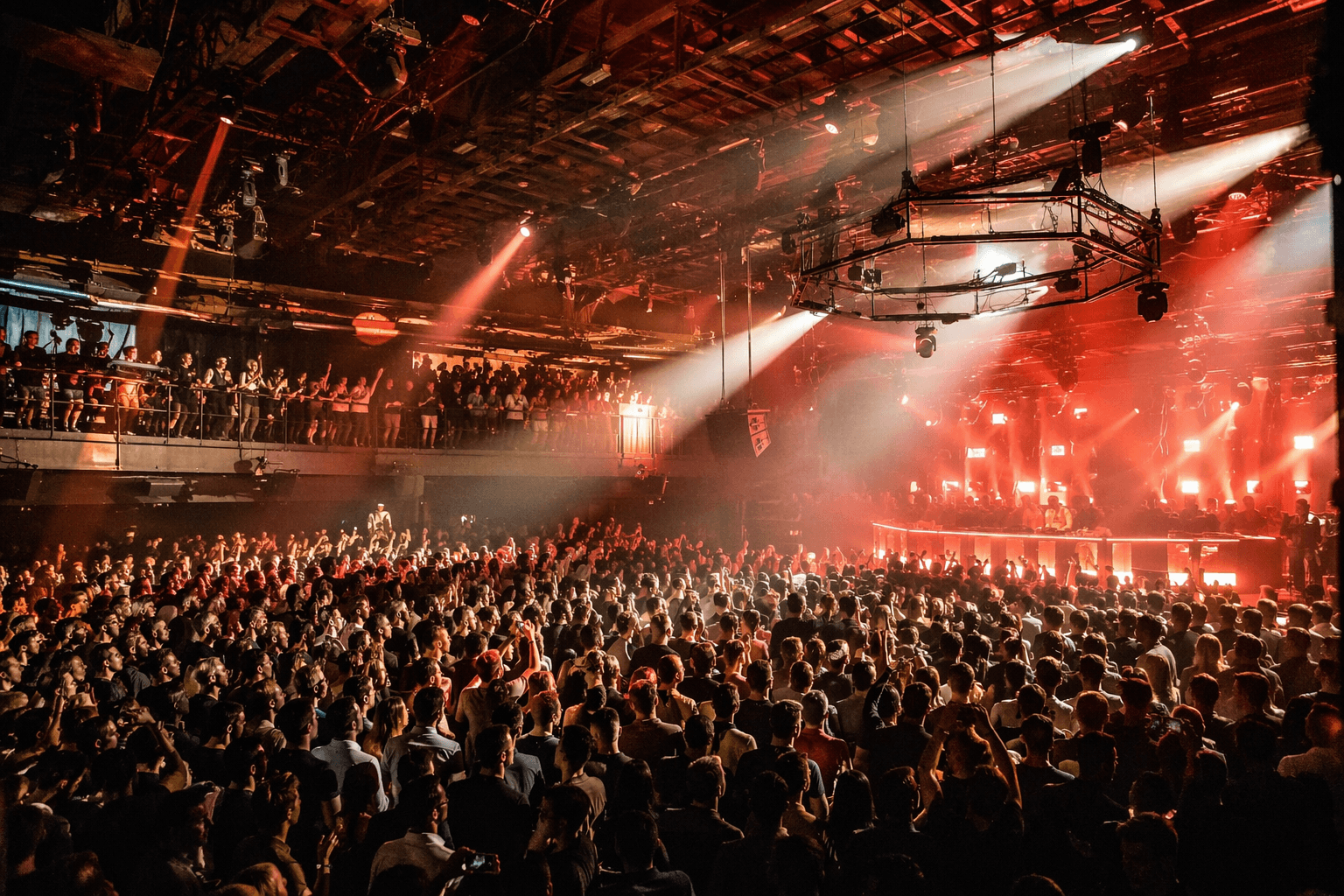
At Kraftwerk Berlin, CONTRA did not feel like a one-off launch party. The two-day takeover across Kraftwerk, Tresor, Globus, and OHM, scheduled for May 30 to 31, 2026, looked like a test case for how far Berlin’s club language can stretch when techno, bass pressure, broken rhythms, and experimental performance are all given the same floor plan.
A new platform built for cross-scene traffic
CONTRA arrived as a 70-plus artist event co-curated by Skrillex and the Berlin Atonal team, and that scale mattered as much as the names on the bill. The programming was framed around music, visual art, live performance, and experimental sound, while Paris studio Matière Noire handled the environmental design, reshaping Kraftwerk’s monumental interior into a series of more intimate atmospheres.
The lineup made the intent obvious. Bladee, Ecco2K, Blawan, Juliana Huxtable, ISOxo, Knock2, Flowdan, Hamdi, DJ LAG, KAVARI, Batu, JASSS, Toma Kami, and Bill Kouligas sat on the same roster, which is exactly why CONTRA read as more than a conventional techno festival. It was a collision of scenes that normally meet at the edges, then move on.
Why the track IDs matter
The real story is not just who played, but what the track IDs and set highlights suggest about the ecosystem around them. Beat-level detail from the weekend points to a programming shift away from genre purity and toward a broader underground conversation where techno discipline, bass weight, and experimental club syntax can coexist without feeling forced.
That matters in Berlin, where a lot of dance-floor identity has long been built around clear lines between scene camps. CONTRA’s curation, spread across multiple rooms at once, turned the event into a moving circuit rather than a single-room rave, so the audience moved through contrasts instead of settling into one fixed sound. In practice, that meant the night could hold large-scale AV pressure, club functionality, and art-forward experimentation in the same environment.
For readers tracking where taste is moving next, that is the important signal. CONTRA suggests a scene where the measure of credibility is no longer whether a bill stays narrowly techno, but whether it can travel between broken rhythms, low-end weight, and the kind of advanced sound design that still lands on a dance floor.
Kraftwerk is the point, not just the backdrop
The venue gives the whole project its tension. Kraftwerk Berlin is the former Berlin-Mitte power station on Köpenicker Straße, renovated over the years and resurrected by Dimitri Hegemann as a place for exhibitions and events. It is also huge, with about 8,000 square meters of exhibition and event space and a capacity of up to 2,600 visitors, which is exactly why a festival like CONTRA could feel architectural instead of merely crowded.
The building’s history is part of its pull. It originally supplied East Berlin with heat and electricity until 1997, which means the shell that now hosts club nights and art programming once powered the city in a literal sense. Tresor’s move into Kraftwerk’s southern wing in 2007 tightened that link even further, turning the site into one of Berlin’s most symbolically loaded addresses for harder, darker, more industrial forms of club culture.
That lineage helps explain why CONTRA could lean so far beyond a standard techno bill and still feel at home. The venue has always been about repurposing scale, weight, and concrete into culture, so a platform built around global bass subcultures and contemporary club music fits the building’s logic even when it pushes past familiar genre borders.
Berlin Atonal gives the project its curatorial spine
Berlin Atonal is the other half of the equation, and its history makes CONTRA read as part of a longer institutional story rather than a flash event. The festival was revived in 2013 at Kraftwerk, and the Kulturstiftung des Bundes has described it as an experimental art, music, and technology festival built to challenge habits of listening and viewing.
That framing is crucial because it explains why CONTRA could absorb visual art, performance, and experimental sound without losing focus. Berlin Atonal already operates in a space where club culture meets installation logic, and its 2025 edition marked its official debut in the International Biennial Association, underscoring its standing as a serious international platform for interdisciplinary work.
Seen through that lens, CONTRA is not just Skrillex entering Berlin. It is a sign that Berlin’s club infrastructure is increasingly open to hybrid programming that treats techno not as a closed genre but as one current inside a larger field of dance-floor ideas. The first edition at Kraftwerk showed how far that field can reach when the room itself is built for pressure, scale, and history at once.
At Kraftwerk, the track IDs were never just souvenirs from a weekend. They were the clearest clue that the next phase of Berlin club culture may belong to events that can hold techno, bass, broken rhythm, and experimental performance in the same structure, then make that mix feel inevitable.
This article was produced by Prism’s automated news system from verified source data, official records, and press releases, then run through automated quality and moderation checks before publishing. The system is built and supervised by the people who set the standards it runs under. Read our full AI policy.
Know something we missed? Have a correction or additional information?
Submit a Tip