Sonic Academy hosts hands-on courses for minimal techno producers
Sonic Academy offers a focused Minimal Techno hub with DAW templates, stems, and step-by-step modules for producers wanting practical, template-driven instruction.
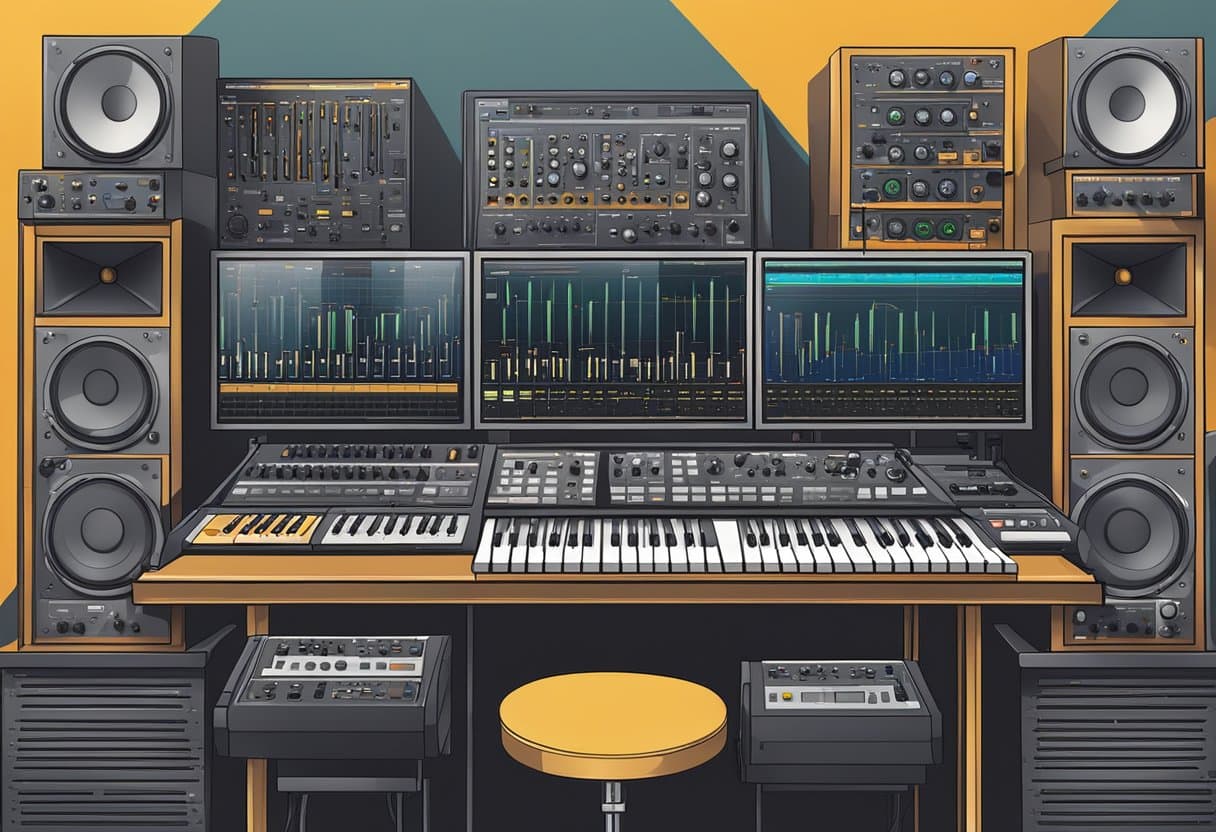
Sonic Academy now hosts a dedicated Minimal Techno section built around project-based learning and practical toolkit materials for producers at every level. The hub collects multi-part tutorials and instructor-led modules that move from beginner to advanced, with a heavy emphasis on downloadable project files and stems so you can open, dissect, and rebuild real tracks.
Course material is DAW-specific, with walkthroughs tailored to Ableton, FL Studio, and Logic. Lessons cover drum programming and micro-automation techniques that matter in sparse arrangements, plus bassline design, sound design, and mixing practices tuned to the minimal and microhouse aesthetic. That means focus on percussive spacing, subtle filter moves, careful sub-bass management, and micro dynamic changes that create groove without clutter.
The "How To Make Minimal Techno" series is the hub’s anchor for hands-on learners. Instructor-led modules include arrangement templates and step-by-step sound design that mirror minimal club tracks, letting you follow a session from initial sketch to a DJ-ready arrangement. Stems and presets are supplied with lessons so you can load the session in your DAW, mute elements, swap parts, and learn why a tiny automation curve or a silent hi-hat edit makes the groove work. For producers who learn by doing, that template-driven approach speeds skill acquisition and shortens the path from idea to playable track.
Practical value is immediate. Use the supplied project files to practice transitions and builds under tempo, test low-end interactions in your monitoring chain, and study how sparse mixes retain energy across club-sized systems. The DAW-specific focus means you’re not translating techniques across platforms; you get exact routing, MIDI mappings, and device settings for your chosen software. That reduces fiddling time and helps you lock a minimal arrangement that leaves room for DJ mixing and live rework.
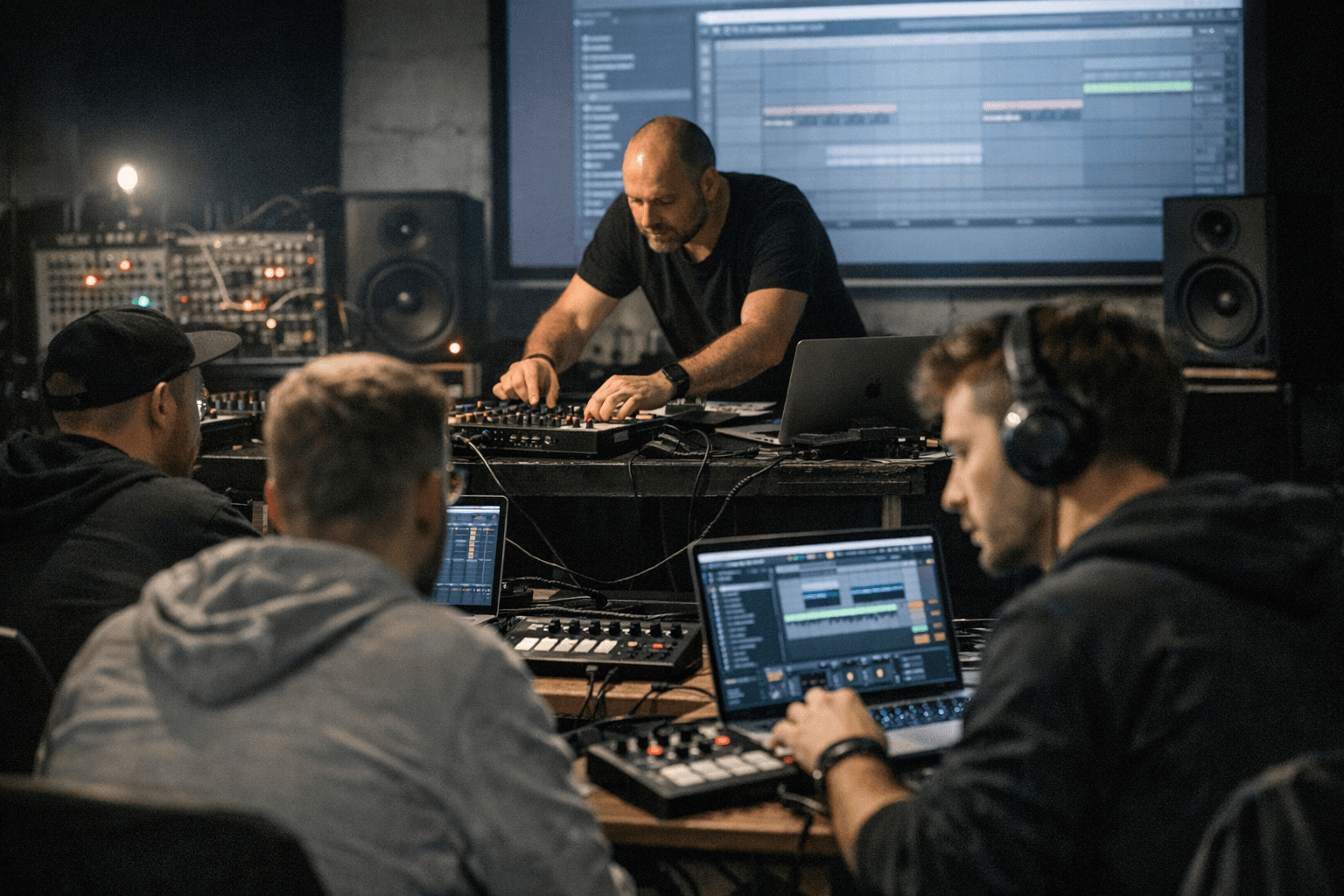
Community relevance is clear: minimal techno relies on restraint, tiny moves, and clarity. These tutorials show how to trade busy layers for effective detail work. Producers building a home setup, labels vetting demos, or DJs wanting original edits can all use stems and templates as starting points for edits, live sets, or mastering-ready projects.
Find the course hub at sonicacademy.com/courses/genres/minimal-techno and load the project files to examine techniques in situ.
The takeaway? Treat the templates like a modular tool - copy parts into your own projects, practice micro-automation and drum spacing, then strip elements away to hear what really drives the groove. Our two cents? Less is more, but learning how to do less takes work - these courses give you the shortcuts and the practice to make space sound intentional.
This article was produced by Prism’s automated news system from verified source data, official records, and press releases, then run through automated quality and moderation checks before publishing. The system is built and supervised by the people who set the standards it runs under. Read our full AI policy.
Did this article answer your question?