Takashi Tsuzuki remasters Liaison 2026, reviving a minimal techno club classic
Takashi Tsuzuki’s Liaison returned as a 2026 remaster after quietly moving through Europe’s club circuit, where it became a minimal techno touchstone.
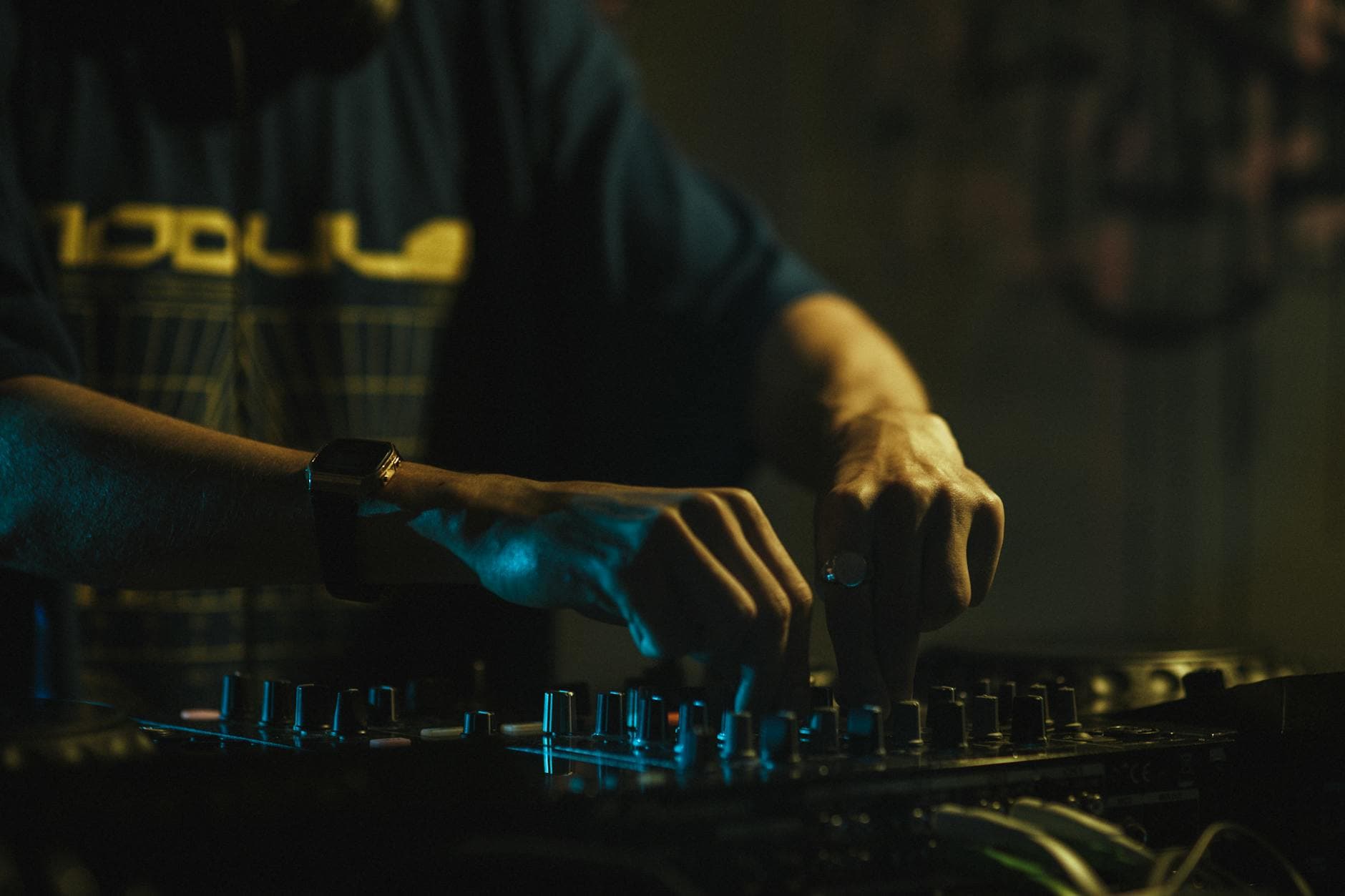
Takashi Tsuzuki has brought Liaison back into circulation with the Liaison 2026 Remaster, a release dated April 23, 2026 that treats the record less like a catalog update and more like a piece of living club history. The Bandcamp page frames the music as one of those slow-burn records that moved quietly through the European club scene before settling into a larger role at the intersection of minimal techno and electronic music.
That history matters because Liaison belongs to a strain of minimal techno that rarely announces itself with big gestures. Its weight comes from repetition, subtle pressure, and the kind of DJ support that lets a track gather meaning over time in the right rooms. Tsuzuki’s record followed that path, building its reputation through selectors and repeat plays rather than a single breakout moment. In a scene where texture and restraint often count more than volume, that kind of travel is part of the canon.
The release also carries a transatlantic marker that helps explain why it has lasting pull. After Liaison first circulated, Tsuzuki was invited by the London club third year to perform a live session alongside Detroit techno DJ Mike Clark, a figure tied to Detroit Beatdown and Planet E. That connection places the record in a broader conversation between European minimalism and Detroit lineage, linking the record’s club-life in Europe with a performance context rooted in one of techno’s most durable traditions.
The 2026 remaster does more than polish the sound. It repositions Liaison for listeners who may encounter it first on Bandcamp rather than in the rooms where it originally spread. For minimal techno, that shift is significant. Small production choices can define the whole experience: the placement of a kick, the tension inside a loop, the way a motif tightens without calling attention to itself. A remaster can bring those details forward, making a once-local or scene-specific record feel newly legible.
What Tsuzuki has done here is preservation with intent, but it also reads as reinterpretation. Liaison 2026 Remaster suggests that interest in minimal techno’s quieter network is still active, and that records with deep club memory can return not as artifacts, but as tools for a new generation of listeners, DJs, and collectors.
This article was produced by Prism’s automated news system from verified source data, official records, and press releases, then run through automated quality and moderation checks before publishing. The system is built and supervised by the people who set the standards it runs under. Read our full AI policy.
Did this article answer your question?