Ad-heavy Tomodachi Life clone frustrates players with nonstop interruptions
A Tomodachi Life lookalike is drowning players in ads, even during Mii creation. The 6.72 million-selling series makes the bait-and-switch stand out.
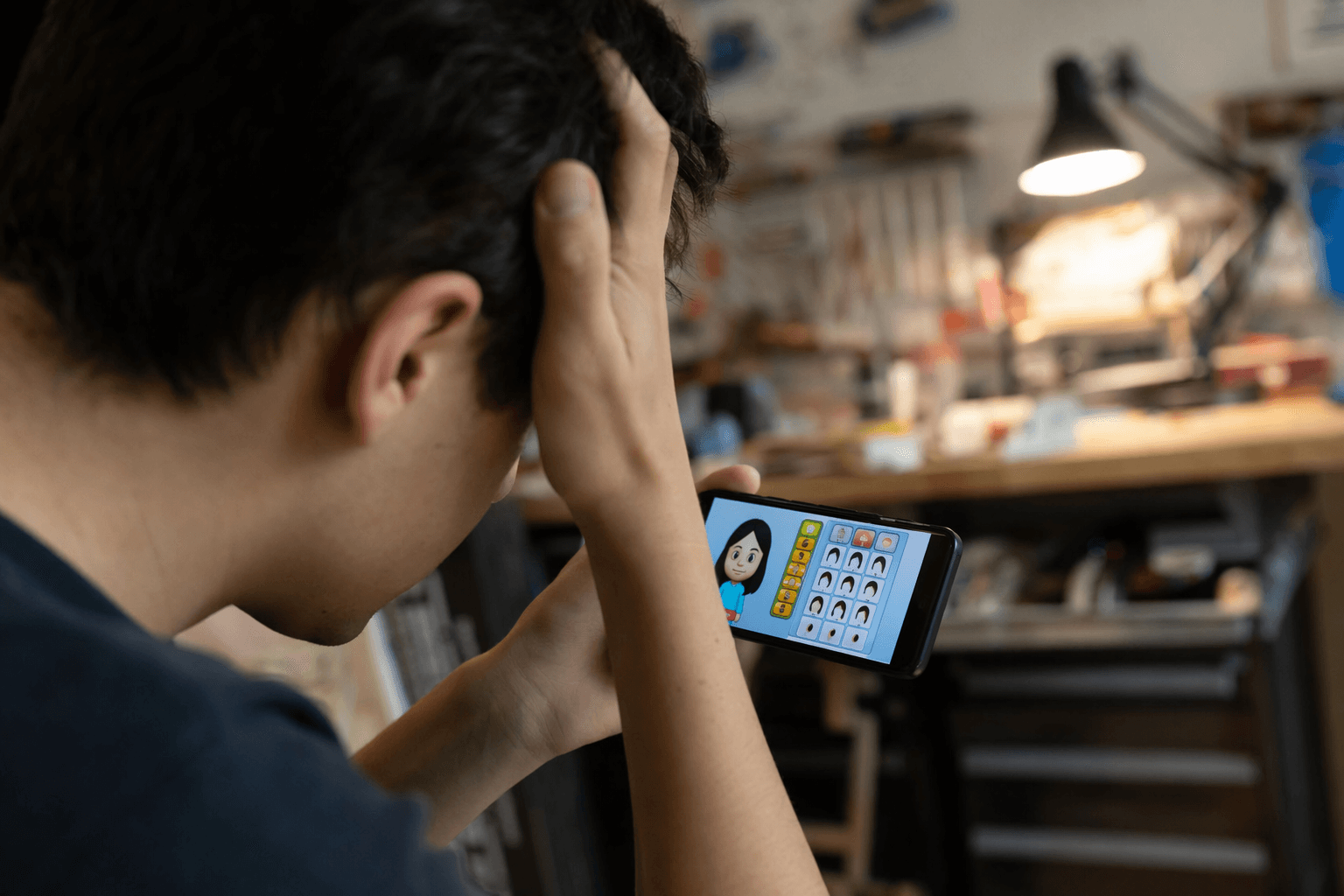
The clearest warning sign in the Tomodachi Life clone is right at the start: players are being hit with ads even while creating Miis, the most basic part of the game. When a mobile life sim cannot let you build a character without interrupting the flow, it is not just annoying, it is a signal that the app is built around ad delivery first and gameplay second.
That frustration lands harder because Tomodachi Life is not some obscure niche name. Nintendo launched the original game in Japan on April 18, 2013, then brought it to North America and Europe on June 6, 2014. Nintendo says the game has sold 6.72 million copies worldwide on Nintendo 3DS, a total that puts it among the system’s biggest hits and explains why any lookalike can draw instant attention from players who remember the franchise.
The series also has fresh visibility right now. Nintendo’s Tomodachi Life: Living the Dream is available now on Nintendo Switch, with an official price of $59.99 and a free demo. That kind of spotlight naturally creates a bigger opening for copycats and nostalgia bait, especially in mobile storefronts where familiar names, Mii-style avatars, and island-life gimmicks can make a low-effort clone look legitimate at first glance.
That is where players need to slow down and inspect the store listing before tapping install. If the screenshots lean on familiar faces and bright nostalgia while the actual app interrupts basic actions with ad walls, the experience is usually telling you everything it needs to. Poor polish, constant ad breaks, and a thin imitation of a well-known Nintendo idea are the same red flags that show up again and again across mobile clones.
The Tomodachi Life name carries real history too, which only sharpens the contrast. The game was a sequel to Japan-only Tomodachi Collection on Nintendo DS, and that long-running appeal is exactly why a sloppy imitation can still rack up attention. For players, the lesson is simple: a recognizable name is not proof of a good game, and a clone that monetizes before it entertains is usually saving the worst part for after the download.
This article was produced by Prism’s automated news system from verified source data, official records, and press releases, then run through automated quality and moderation checks before publishing. The system is built and supervised by the people who set the standards it runs under. Read our full AI policy.
Did this article answer your question?


