Apple adds on-device AI tools and game workflows at WWDC
Apple’s new Core AI layer runs models on-device with zero server dependencies and zero token costs, while Game Porting Toolkit 4 targets faster, cheaper mobile game ports.
Apple used WWDC week to push mobile game production closer to an AI-assisted pipeline, with tools that can affect how studios build, localize, test and ship updates over the next year. The biggest shift is Core AI, a new layer built into the OS and purpose-built for Apple silicon that lets developers load, specialize and run full-scale large language models entirely on-device.
That matters because Apple is not just talking about chat-style features. Core AI’s memory-safe Swift API is designed around zero server dependencies and zero token costs, which makes it practical for live games that need repeatable AI behavior without ongoing cloud bills. Apple’s Foundation Models framework also widened its reach, giving developers a single Swift API for on-device models, image input, server-based models and custom skills, with support for models from Apple, Anthropic, Google, OpenAI and other providers that follow Apple’s model protocol.

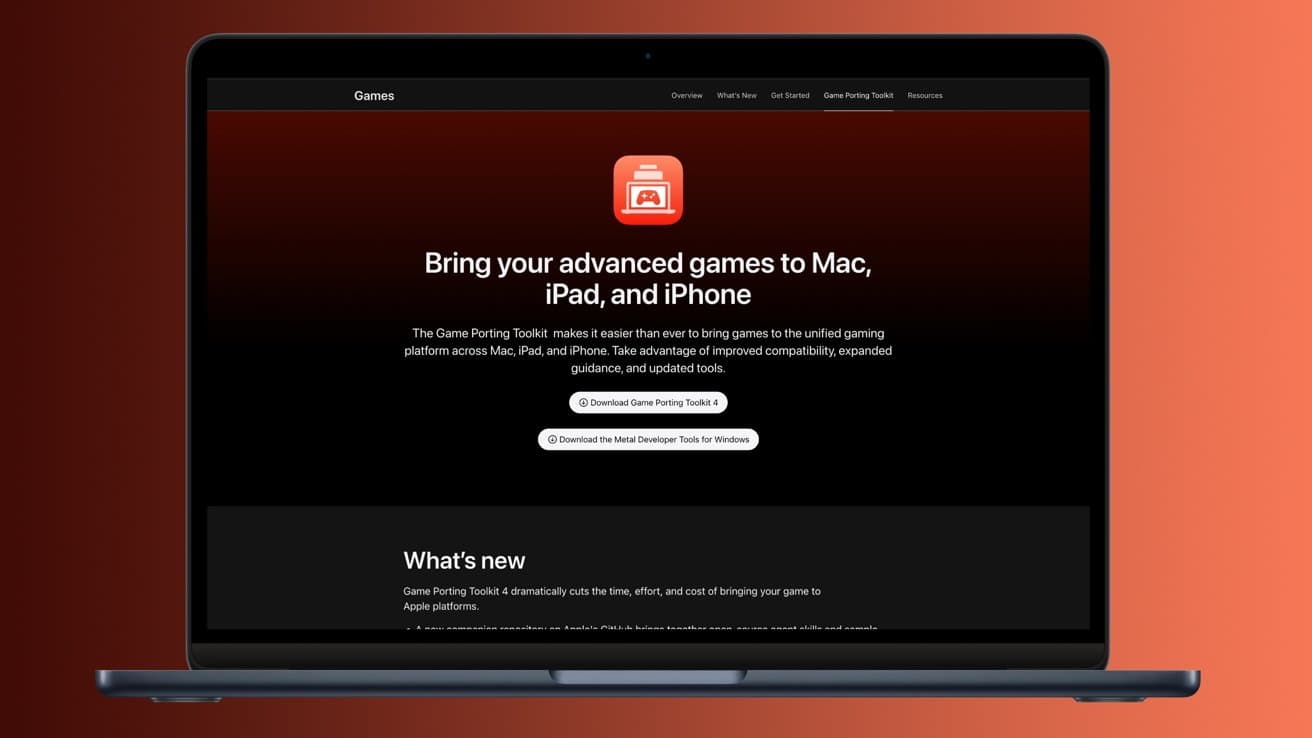
For game teams, the most immediate payoff is in production work rather than flashy player-facing demos. Apple said Game Porting Toolkit 4 “dramatically cuts” the time, effort and cost of bringing games to Apple platforms, and it backed that claim with a companion GitHub repository that includes open-source agent skills and sample code for AI coding agents in the porting process. Apple also pointed to Managed Background Assets and Apple-Hosted Background Assets, which can download asset packs for games and other applications, either hosted by Apple or self-hosted, a useful fit for live events, seasonal content drops and large patch delivery.
Xcode 27 is the other major piece. Apple said the new version brings coding agents into the workflow, adds multiturn conversations, code previews and automated testing, and lets developers customize Xcode to the way they work. That builds on Apple’s 2025 developer push, which already included Xcode 26 support for large language models such as ChatGPT, but the new release goes further by tying AI help directly to planning, implementation and validation inside the development environment.
Apple said the new tools were introduced on June 8, 2026, and are coming across iOS 27, iPadOS 27, macOS 27, watchOS 27, tvOS 27 and visionOS 27 beta builds. For mobile gaming, the real story is not just that Apple wants more AI on its platforms, but that it is trying to make the whole path from porting to live ops faster, cheaper and easier to repeat.
This article was produced by Prism’s automated news system from verified source data, official records, and press releases, then run through automated quality and moderation checks before publishing. The system is built and supervised by the people who set the standards it runs under. Read our full AI policy.
Did this article answer your question?


