Fortnite’s App Store return drives biggest iOS week since 2018
Fortnite’s iPhone comeback smashed into 3.4 million App Store downloads in a week, its best iOS stretch since April 2018 and a sharp rebound for mobile access.
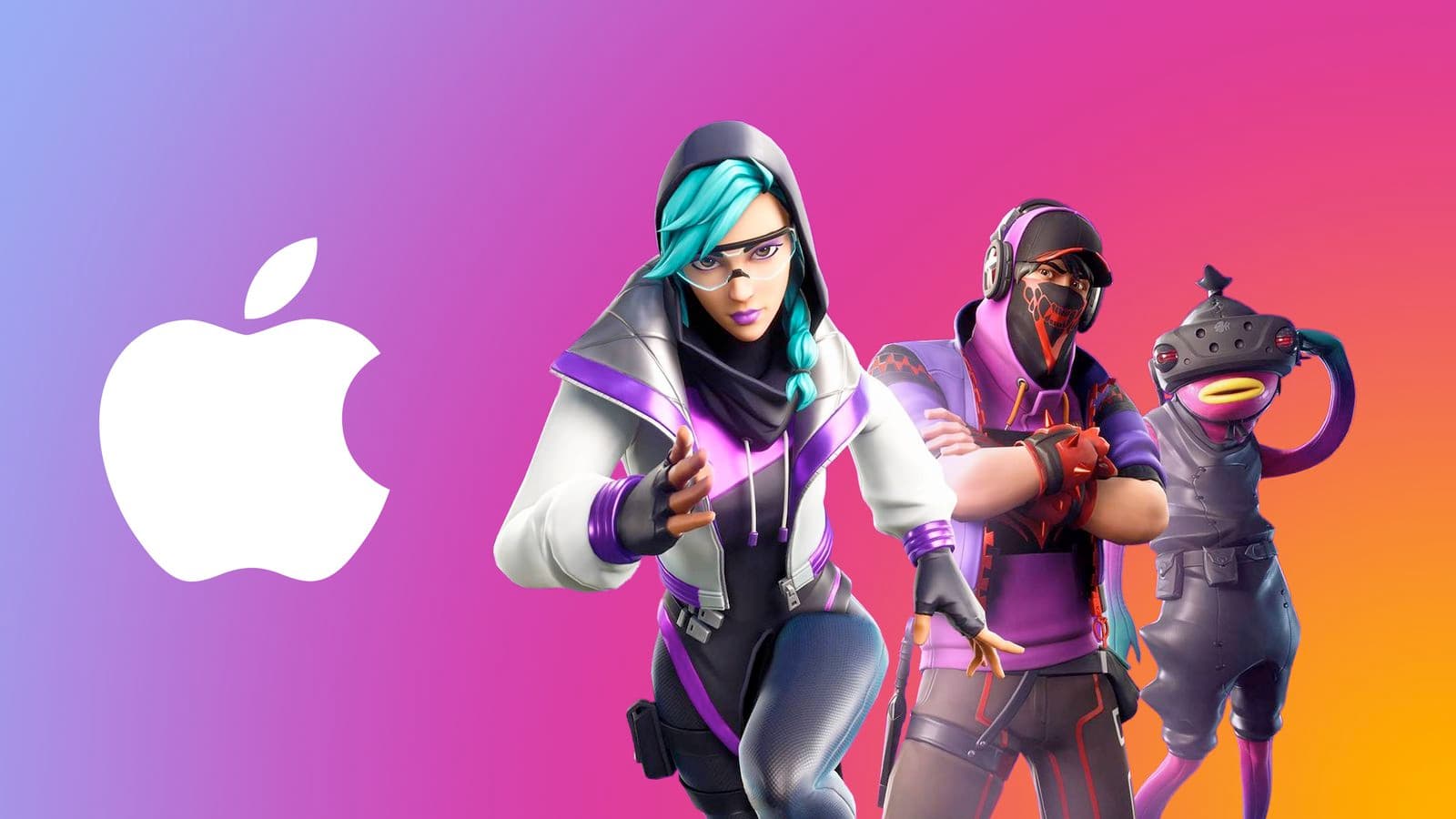
Fortnite’s return to the App Store did more than put a familiar icon back on iPhone screens. It sent the game to an estimated 3.4 million App Store downloads in its first week back, a level Epic Games has not seen on iOS since April 2018.
That rebound made Fortnite’s comeback its fourth-best App Store week ever, according to AppMagic estimates cited by PocketGamer.biz. The same reporting pegged a daily peak of 674,000 installs on May 23, a surge that underlines how much pent-up demand built during the game’s long absence from Apple’s mobile storefront.
Epic Games said Fortnite was back on the App Store worldwide except for Australia, and the App Store listing now shows the game live on iPhone and iPad in the United States with a 13+ rating. In the U.S., Fortnite had already returned to the App Store in May 2025 after nearly five years away, but the broader relaunch now gives Apple users in more markets direct access again instead of relying on workarounds or waiting on policy shifts.
The comeback lands inside the same fight that pushed Fortnite off the platform in the first place. The conflict began in 2020 after Epic tried to bypass Apple’s payment system, prompting Apple to remove Fortnite from the App Store. Epic has framed the latest relaunch as part of what it calls the “final battle” over App Store fees and competition rules, with Tim Sweeney and Epic continuing to press regulators and courts to force Apple into more transparency around its fees and policies.
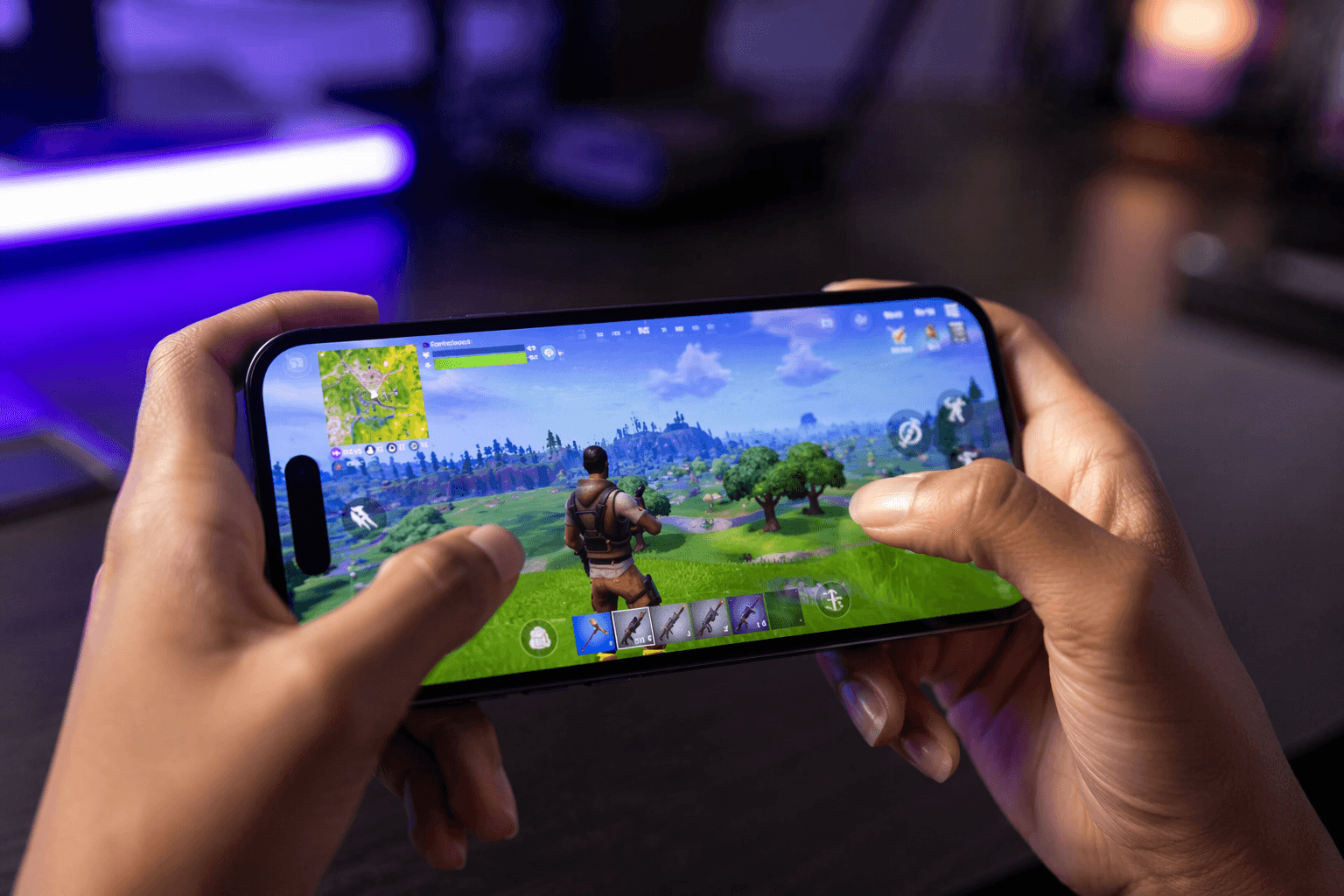
Epic’s own message on the return was blunt about the stakes. The company said Fortnite was coming back now because it believes that “once Apple is forced to show its costs, governments around the world will not allow Apple junk fees to stand.”
For players, the practical change is simple: Fortnite is once again one tap away on iPhone and iPad across most of the world. For the wider mobile market, the bigger signal is that one of the most visible games in the App Store can still drive blockbuster installs when the barriers come down, and that the iOS distribution fight is far from a footnote.
This article was produced by Prism’s automated news system from verified source data, official records, and press releases, then run through automated quality and moderation checks before publishing. The system is built and supervised by the people who set the standards it runs under. Read our full AI policy.
Know something we missed? Have a correction or additional information?
Submit a Tip