Google Play opens billing options and lowers fees from June 30, 2026
Google Play’s June 30 fee cut and billing overhaul could soon change what players pay for gems, passes, and subscriptions in Android games.

Google Play’s new billing rules took effect on June 30, 2026, and the first place many mobile gamers may notice them is inside the checkout screen for gems, battle passes, and recurring subscriptions. Google opened the door wider for developers to use their own billing systems or send users to their websites for digital purchases, while also lowering store fees in the United States, United Kingdom, and European Economic Area.
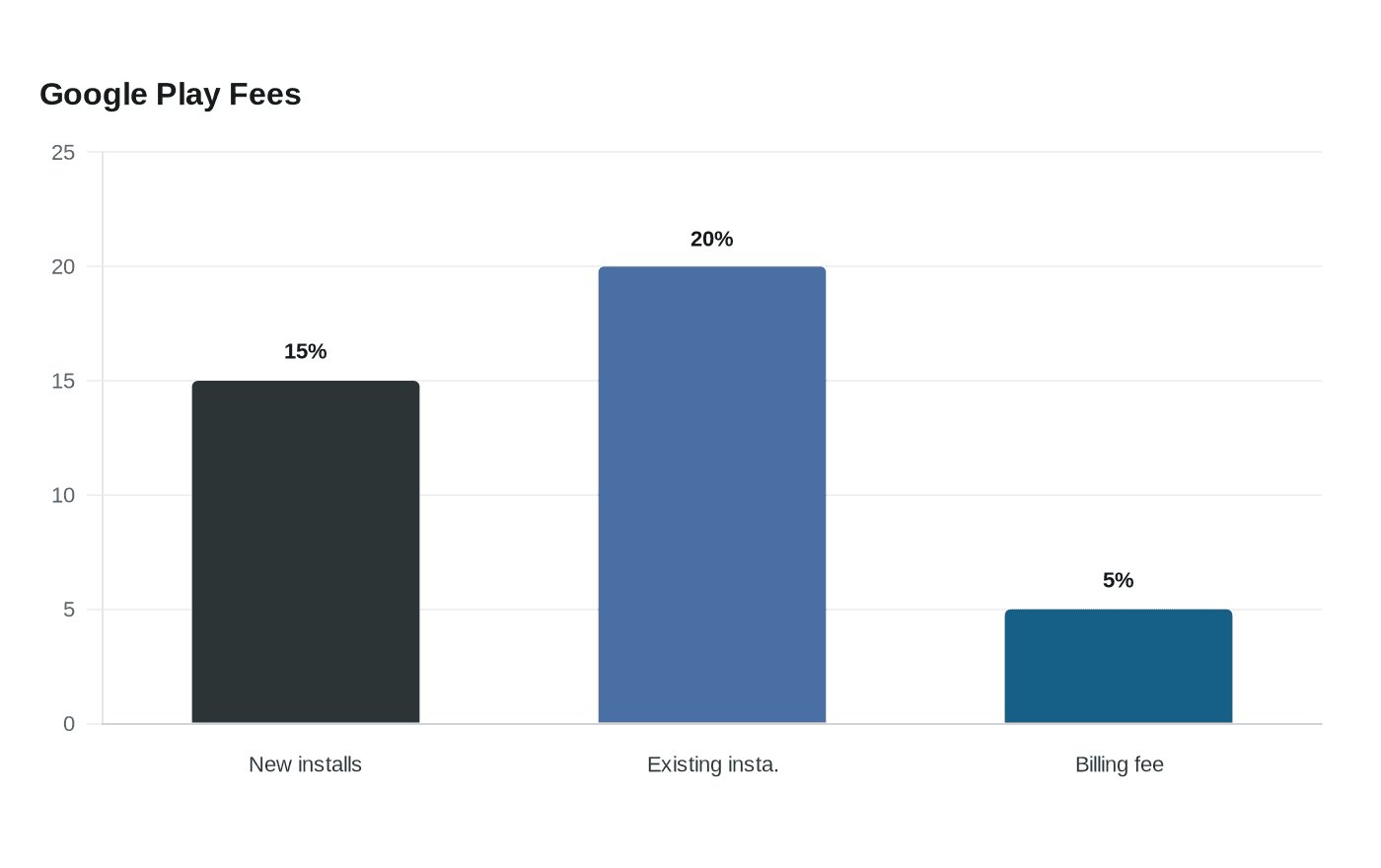
The new structure is built around install status. Google classifies transactions tied to “new installs” as first installs or first updates on or after the regional rollout date, while “existing installs” are those made before it. For purchases using Google Play Billing in the US, UK, and EEA, Google says an additional 5% billing fee applies. Eligible developers can push their rates lower through the new Apps Experience Program or the revamped Games Level Up program, which Google says can bring fees to 15% on new installs and 20% on existing installs for non-recurring SKUs, before the billing fee is added.

For players, the biggest changes may show up first in how mobile games price premium currency and time-limited offers. Live-service teams that rely on high-volume microtransactions are the most exposed, because even a small fee shift can affect whether a 1,200-gem pack gets discounted, whether a subscription gets bundled with bonus currency, or whether a publisher tests a web-only promotion outside the app. The studios most likely to act quickly are the ones already selling currency, season passes, and other non-recurring items across multiple regions.
Google first laid out this direction on March 4, 2026, when it said developers would be able to use their own billing systems alongside Google Play Billing or direct users to their own websites for digital purchases. The company had already started user choice billing in the United Kingdom in March 2025, initially for non-game developers, and the 2026 rollout expands that model into a much broader Play Store framework.
Epic Games immediately framed the update as a meaningful opening for competition, saying developers would have more choices in how they make payments and more freedom to point users outside apps to make purchases. That matters on Android because Google Play remains the dominant distribution channel for mobile games, and every point of fee reduction can change how aggressively publishers compete on price, bonuses, and regional offers.
Google’s billing shift is also landing alongside Android developer verification in 2026, a separate security-related change. Together, the moves show Google trying to loosen payment rules without loosening control of the platform itself, and players are likely to feel that balance most in the offers and checkout options that appear the next time they tap to buy.
This article was produced by Prism’s automated news system from verified source data, official records, and press releases, then run through automated quality and moderation checks before publishing. The system is built and supervised by the people who set the standards it runs under. Read our full AI policy.
Did this article answer your question?


