Scriver mixes Balatro energy with Scrabble-style word runs
Scriver looks like Balatro for word nerds, but its gallery synergies give the run loop real bite. The question is whether that hook lasts beyond the first clever spell.
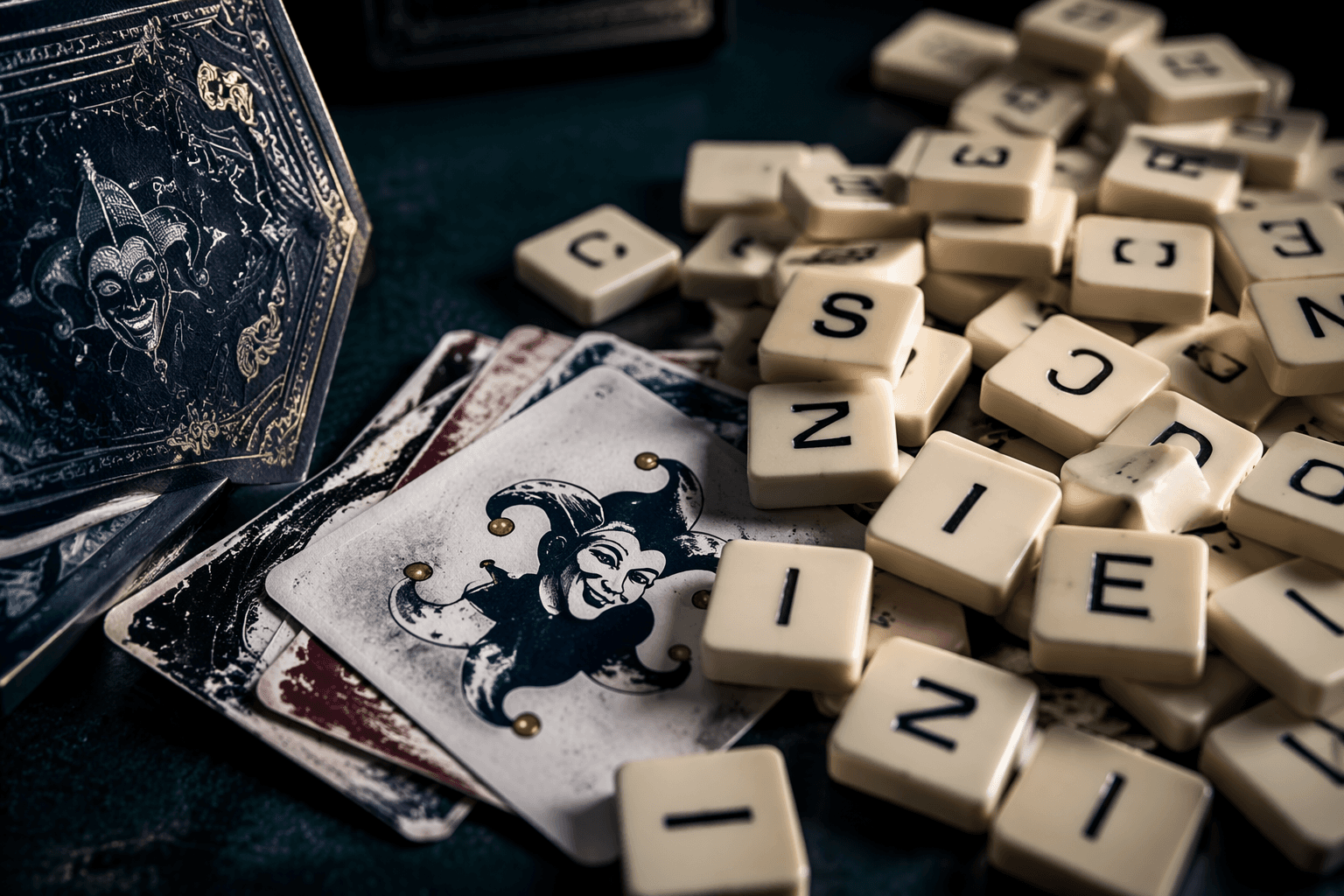
Scriver swaps cards for letters and puts the whole thing inside a gallery hustle, where buying, selling, and arranging art matter as much as spelling the best word. It arrives with the same dangerous promise that turned Balatro into a habit: one more run, one more score, one more chance to squeeze meaning out of a tiny, limited hand. The Balatro comparison is useful, but only partly accurate.
What Scriver is actually doing
Scriver is a word-crafting roguelike deckbuilder, and that label fits better than a simple “word game” tag. You draw a limited set of letters, each with its own value, then try to build the highest-scoring words before the round ends and the next set of choices arrives. Between rounds, you spend what you earned on power-ups, which gives the loop a roguelite rhythm even though the core action is still about language, scoring, and resource management.
The strongest version of Scriver’s identity comes from that gallery layer. Each run revolves around curating art, building synergies, and impressing a rotating cast of characters, so the game is not just asking you to spell efficiently. It is asking you to treat each run like a shifting exhibit, where the right combination of pieces can change the value of everything else in your setup.
Why the Balatro comparison keeps coming up
The Balatro comparison keeps coming up because Scriver has the same high-contrast, score-chasing pulse. You make a decision, watch the numbers pop, then immediately feel the pull of another attempt because the next run might unfold into a better chain of upgrades. That fast, repeating structure is a huge part of the appeal, and it is also why Scriver feels so natural on mobile.
The comparison still has limits, though. Balatro is a card battler at its core, while Scriver leans on word formation and the pressure of arranging letters into something profitable. That shift matters because the game is not simply restaging a deckbuilder with a new skin. It uses the familiar roguelike loop, then routes it through spelling, art curation, and character-driven run modifiers.
The gallery layer is more than decoration
The art exhibit setting sits at the center of the system. Scriver includes more than 120 hand-painted unique art pieces, all tied to game-changing abilities and synergies. The gallery is the engine that changes how your run behaves.
The most interesting decisions are not just about making a strong word. They are about how the art you collect reshapes future choices, how a piece interacts with your setup, and whether the whole gallery starts working like a machine.
What the App Army reaction says about replayability
App Army players are overwhelmingly positive about the core loop. They call the game a stylish addition to a mobile library, the kind of thing that makes a quick repeat run feel irresistible. One reader says it fits short sessions, the sort you squeeze in on the bus or with a morning coffee.
One player wanted clearer explanations for some abilities, which suggests Scriver’s systems can be a little opaque when they start stacking. Even so, the same feedback still calls the game rewarding and fun.
Characters, challenge modes, and the stuff that gives runs teeth
Scriver has more than 25 characters, with disruptive patrons and critics such as Bandit the Cat, Garrrth the Pirate, and Sir Righteous the Knight. Those figures are not just trivia, because the characters can alter runs with special rules like stolen art or disabled letters.
The game includes 6 starting decks, 6 challenge modes, 25 achievements, and fully offline play. On the App Store, it is a paid iOS download priced at $4.99 in the United States, with a 4.6 rating from 24 ratings, and it is designed for iPad while supporting both iPhone and iPad. Steam also has the game listed, with a June 24, 2026 release date and doughbody credited as both developer and publisher, though its launch page showed only 2 user reviews.
There is one practical limitation mobile players will notice right away: there is no Android release information yet. iOS is the clear entry point for now.
Where Scriver fits in the wider mobile word-roguelike wave
Scriver is arriving at a moment when “Balatro-like” design language is spreading well beyond cards. Word Play, also discussed as Wordlike, is a Scrabble-meets-Balatro kind of experience, and Scriver sits in that same lane. The pattern is easy to see: take a familiar brain game, add run-based progression, layer in synergies, and make every decision feel like a tiny gamble with score attached.
This article was produced by Prism’s automated news system from verified source data, official records, and press releases, then run through automated quality and moderation checks before publishing. The system is built and supervised by the people who set the standards it runs under. Read our full AI policy.
Did this article answer your question?


