How to Choose the Right Model Train Scale for Your Space and Goals
Picking a model train scale shapes every part of the hobby, from how much track you can run in a given room to the cost and availability of locomotives, rolling stock and accessories. This primer explains the differences among HO, N, O, G, S and Z scales and gives clear, practical steps to match scale to space, era and long‑term plans.
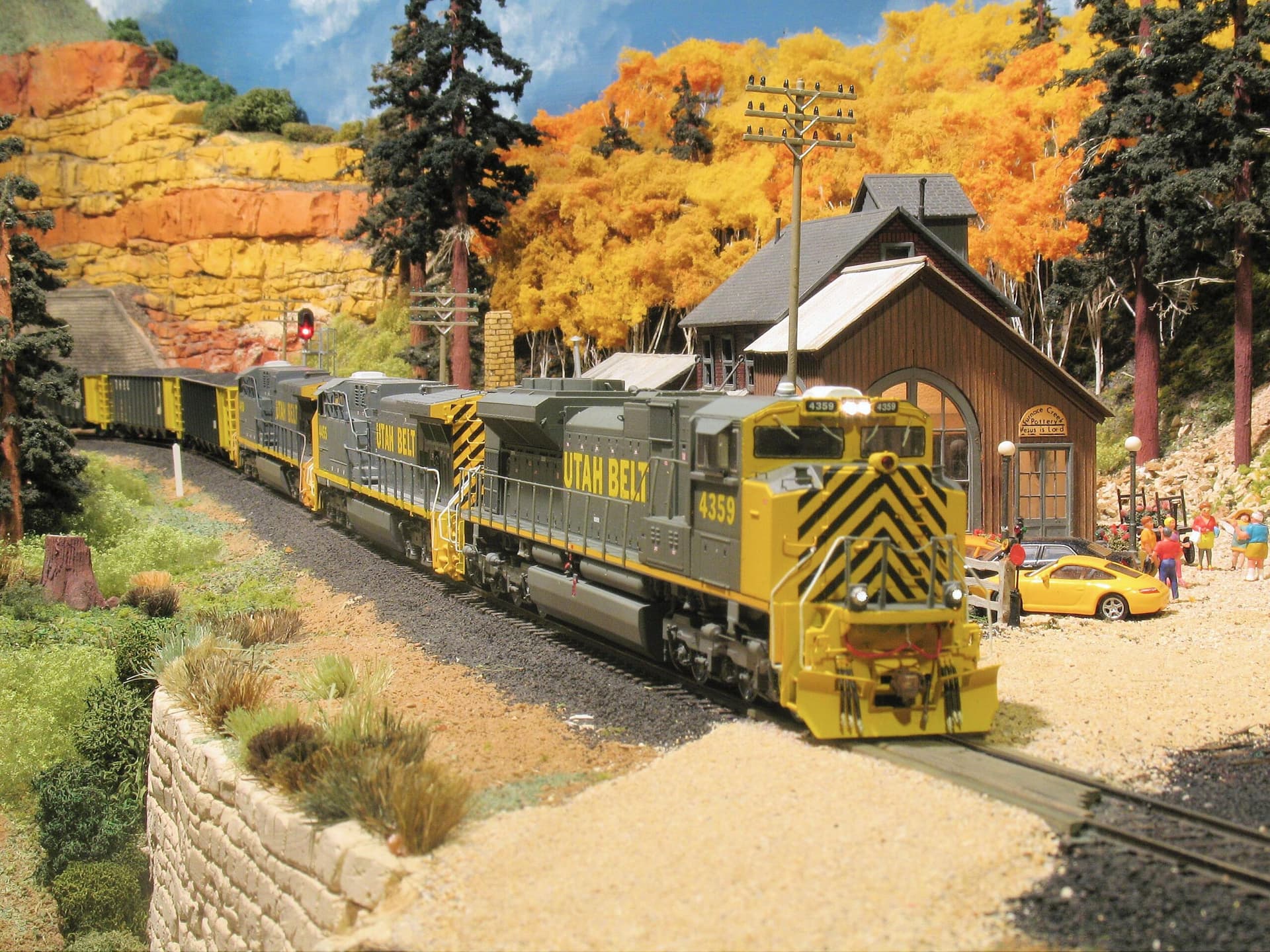
Choosing a model train scale is one of the first and most consequential decisions you will make as a newcomer. The scale you pick determines layout footprint, equipment detail, buying options and how easy it will be to find parts or second‑hand gear. Start by measuring the space you can commit and thinking about how you want to use it before buying a starter set or building benchwork.
Space, detail and cost move in rough tradeoffs. Smaller scales such as N and Z let you build longer runs and more complex trackwork in limited space; that makes them ideal for apartments, shelf layouts or when you want continuous mainline runs in a compact room. The tradeoff is smaller, more delicate models that can be trickier to handle and detail that is subtler than in larger scales.
HO scale is the broadest supported scale and often the best balance for new hobbyists. HO has the widest availability of new parts, accessories and second‑hand models, which makes repairs and incremental upgrades easier and usually more affordable. The size is large enough to show good detail while remaining manageable for many home layouts.
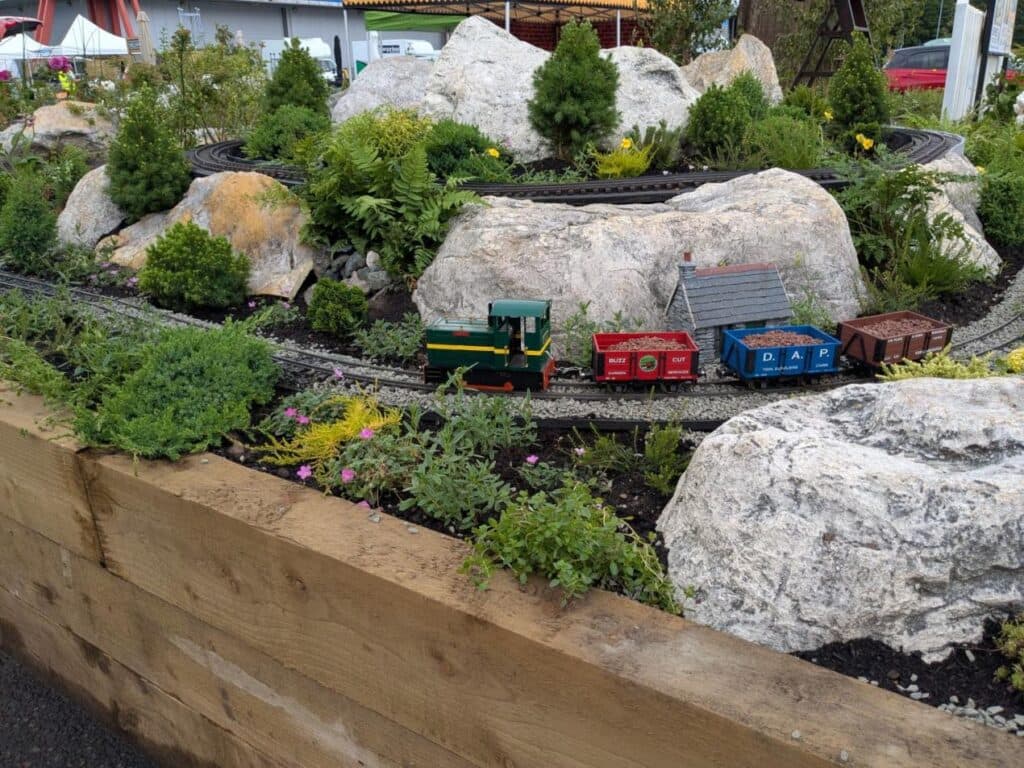
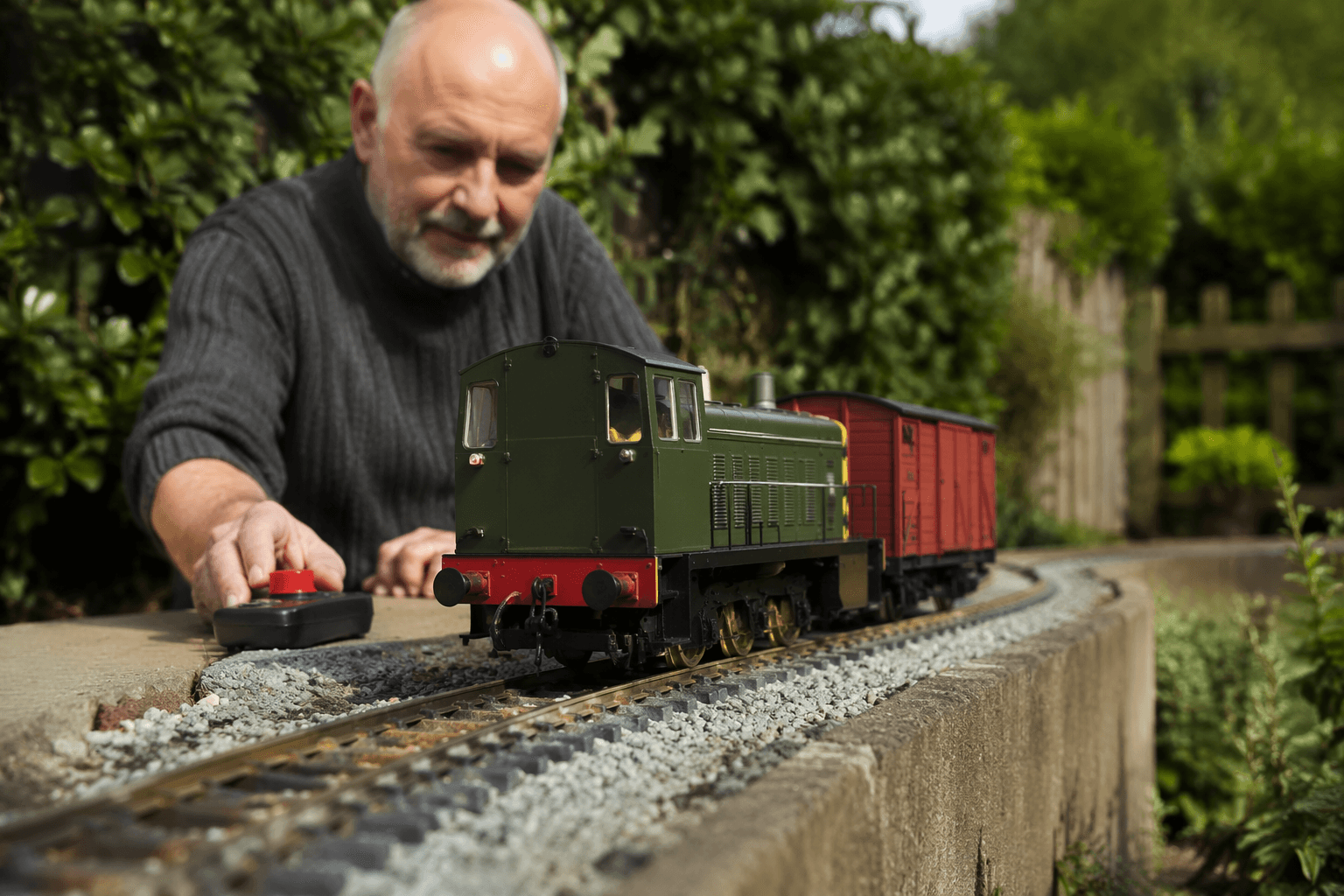
G‑scale is the practical choice for outdoor and garden railways where durability and weather resistance matter. Larger scales such as S and O offer more visible detail and presence, but they demand more room and higher material costs for benchwork and track.
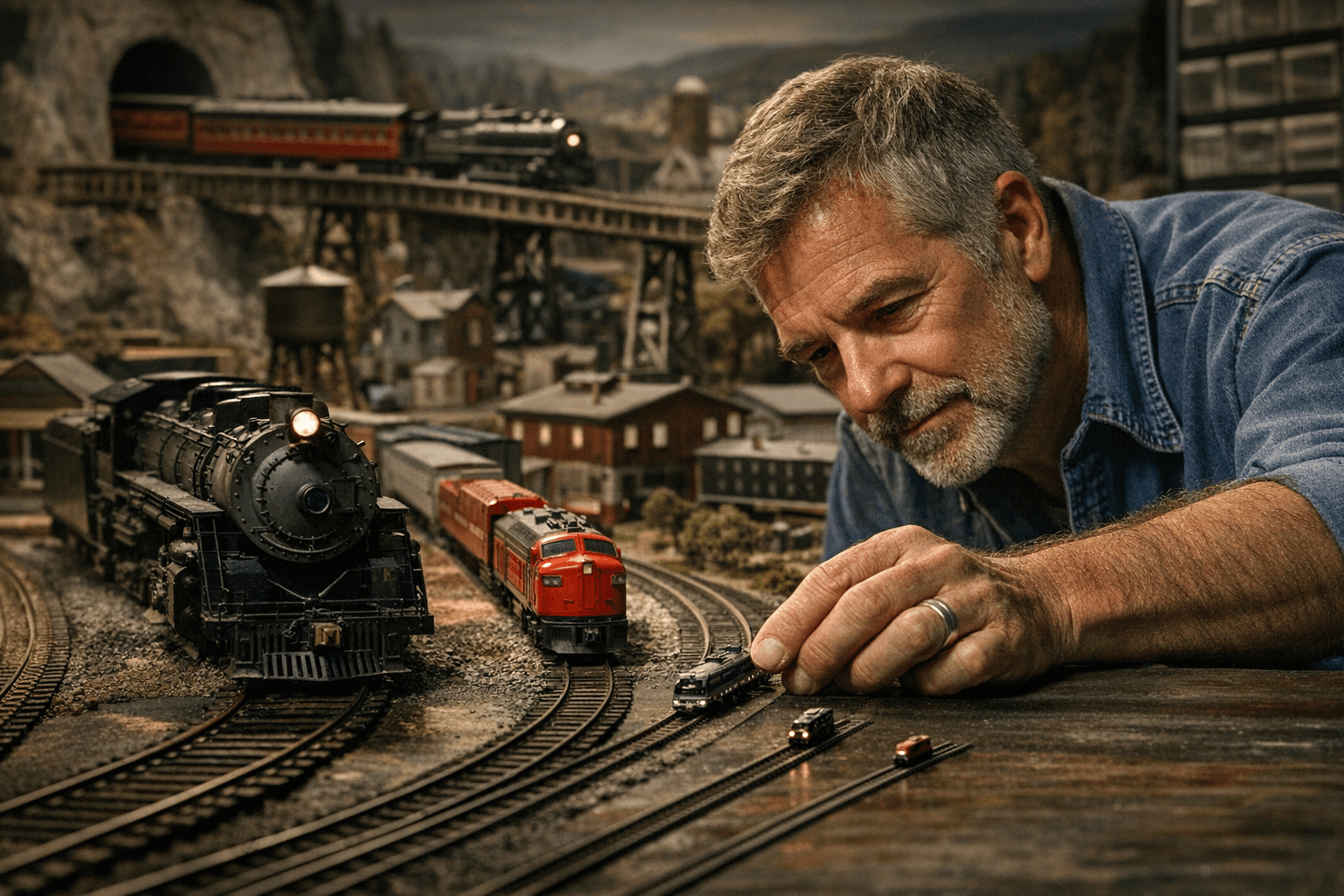
Think about the era and prototype lengths you prefer, because that affects staging and curve requirements. Modern freight equipment and passenger cars are longer in scale terms and require gentler curve radii and more space for realistic operation. If you plan long trains or prototypical consists, allow extra length for staging yards and sidings in your initial layout plan.
Practical next steps: consider room and footprint first, not the prettiest locomotive you can find. Visit local clubs and train shows to see scales in person, handle models and walk layouts to feel curve radii and turnout sizes. Check local hobby shops and online marketplaces for parts and second‑hand options in the scales you’re weighing. If you want to build outdoors, prioritize G‑scale; if space is tight, give N or Z another look; if you want the widest support network, start with HO.
Choosing the right scale up front saves time and money and helps you build a layout you’ll actually use. See, touch and run models before committing, measure your space carefully, and plan layout goals around the scale you pick to get the most enjoyment from the hobby.
This article was produced by Prism’s automated news system from verified source data, official records, and press releases, then run through automated quality and moderation checks before publishing. The system is built and supervised by the people who set the standards it runs under. Read our full AI policy.
Did this article answer your question?