Model Train Show Vendor Checklist Covers Setup, Sales, and Table Logistics
Selling at a model train show takes more prep than most first-timers expect — here's the complete vendor checklist, from pricing your inventory at home to surviving load-in day.
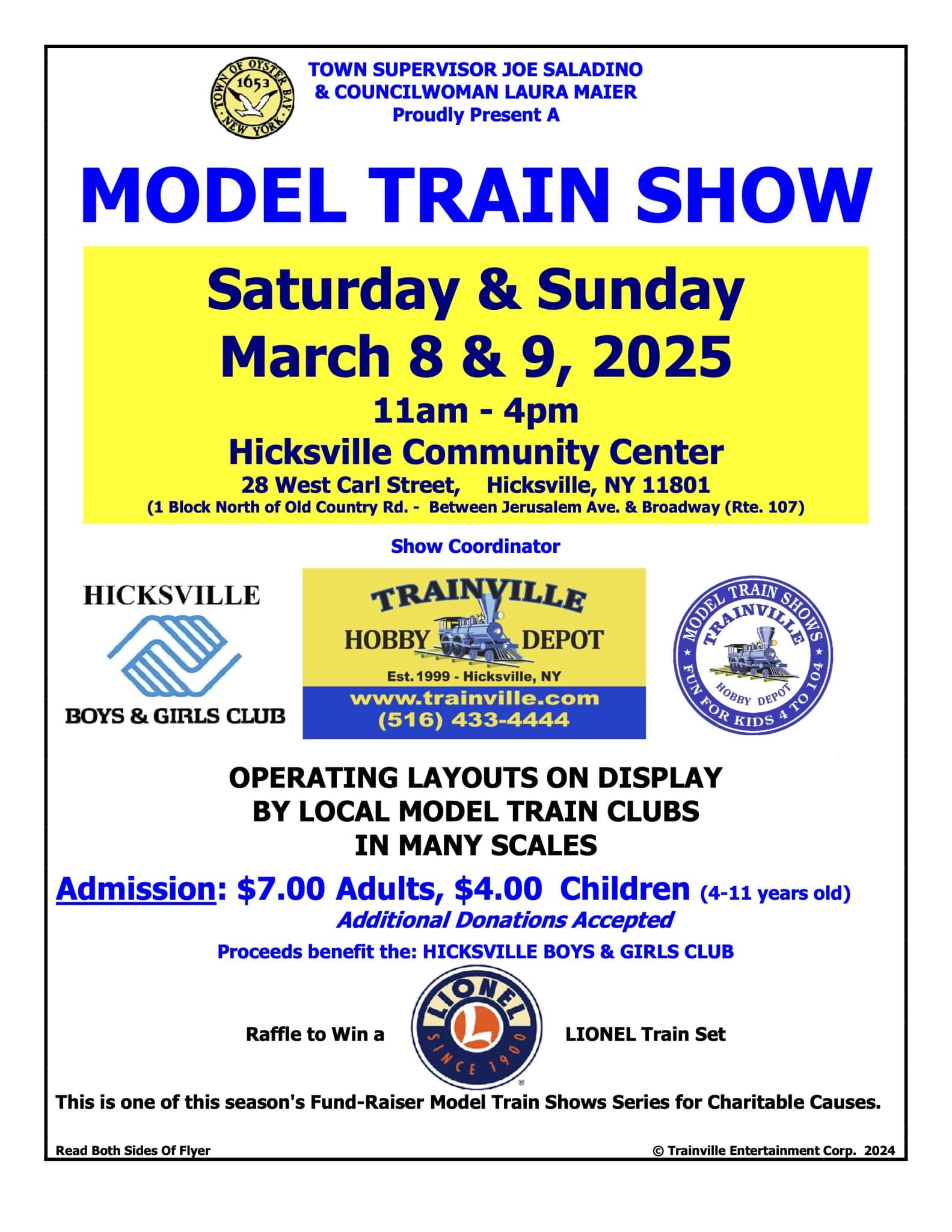
Most experienced dealers will tell you the same thing: the show is won or lost before the doors open. Vendors spend the entire weekend packing up their collection, traveling, setting up tables and displays, and standing for hours on end — then repeating the process when the show closes. That reality makes a thorough pre-show checklist not just helpful, but essential. Whether you're a hobbyist turning over part of your collection or a small retailer working a regular circuit, these are the logistics that separate a productive weekend from an expensive one.
Inventory Selection: Know What to Bring
The first decision is also the most consequential: what goes in the car. The great thing about train shows is that you get to set your own prices; the hard part is waiting for someone willing to pay them. That asymmetry is why curating your inventory matters. Bring items with broad appeal across the room — locomotives, rolling stock, and scenery supplies move reliably. Buildings in general are harder sells, with shipping alone being a challenge even when sold online, and they occupy precious table real estate at shows too.
Condition is a key driver of whether something sells at all. Condition tops the list of value factors: faded paint, rust, and broken or missing pieces all detract from an item's value, and for locomotives, mileage and wear on the wheels and gears factor heavily. Sort your inventory before packing and pull anything that needs repair or documentation — a locomotive that needs a disclaimer conversation at the table slows down sales and frustrates buyers. Many buyers prefer a "fresh out of the box" look.
Pricing Before You Pack
Do your pricing research at home, not at the table. The buyers at train shows know exactly what you have, and they won't tell you if it's underpriced. Use recent completed eBay sales as a baseline for market value, keeping in mind that eBay prices often include retail markup, shipping, and seller profit, and wholesale offers will typically run 40–60% of those listed prices.
Build a master spreadsheet before the show. An inventory list organized by quantity, manufacturer, and model number is the standard reference format serious dealers rely on. Knowing your investment is essential — for insurance purposes and especially if you want to sell and need to know what you paid. Price tags should be attached to every single item before anything goes into a bin or box. Leaving items unpriced invites low-ball offers and kills your pacing on a busy floor.
One pricing consideration worth knowing upfront: if you're traveling to shows, your expenses add up quickly — fuel, mileage, hotel rooms, table fees, food — and it all comes out of your sales at the end of the day. Factor those costs into your floor prices, not as an afterthought on the drive home.
Display Planning: Table Space Is Finite
Major shows like the Great Scale Model Train Show in Timonium, Maryland operate with over 100 vendors across more than 1,000 tables, which means buyers have no shortage of options. A well-organized table stops foot traffic; a cluttered one doesn't. Plan your layout at home using the table dimensions provided by the show organizer — most standard dealer tables run 6 feet long, and it is critical to know exactly how much surface area you are working with before you commit to how many bins and display pieces you are bringing.
Think in vertical as well as horizontal terms. Tiered risers or shelf displays allow you to show more boxed locomotives and rolling stock without sprawling across every inch of table space. Keep high-value items at eye level and near the center of the table, where they get the most attention. Keep lower-priced bulk items — track sections, couplers, bags of detail parts — in labeled bins at the front edge where browsers can dig without disrupting your main display. Having a dependable electrical system lets you focus on the visual details that draw crowds to your table. If you plan to run a locomotive or power a lighted display, plan that placement first and build the rest of the table around it.
Electrical Needs
Know the show's electrical policy before you arrive. At the Great Scale Model Train Show, there is no charge for electricity, and it is never further away than 50 feet. Other shows charge for access or require advance reservation of powered table positions. Bring your own heavy-duty extension cord regardless — it is one of the most commonly forgotten items at any vendor table. A power strip with surge protection is equally important if you are running a throttle, a DCC system, or any lighting display.
Easy access through multiple roll-up doors and 36-inch-wide entrances is a selling point at larger venues, but smaller regional shows may have tight loading corridors where carts and dollies create genuine bottlenecks. Confirm load-in logistics with the organizer in advance.
Packing and the Load-In Trip
Packing for a show is its own discipline. Every locomotive and piece of rolling stock needs individual protection — original boxes are ideal, but foam-lined trays and divided bins work well for items you've long since liberated from their packaging. Taking protective precautions prevents the jostling of travel from causing costly damage to your carefully crafted pieces.
Run a quick mechanical check on anything you plan to demonstrate or run at the show. Running trains for continuous hours puts wear on moving parts and motors, so cleaning locomotive wheels and lightly lubricating the gears before any major event is strongly advised. A locomotive that stalls or derails during a demo is a deal-breaker in front of a buyer.
Pack your vehicle in reverse order of need: items you will set up last go in first, items needed immediately at the table go in last. Bring a hand truck or flatbed cart — you will almost certainly need more than one trip from the parking area, and doing it in fewer trips is always better. Remember you also need to haul everything you don't sell back home.
Sales Day Essentials
Bring enough cash to make change. A common standard is starting with a float in small bills — fives and ones are what you'll burn through fastest on smaller items and when buyers offer fifties for a $35 sale. Accept card payments if at all possible. A card reader setup can meaningfully increase sales volume, and buyers who don't carry cash are a growing portion of the show floor.
Many shows offer a variety of selling formats to embrace the greatest number of sellers — tiny, small, medium or large — with options to participate in every show, some shows, or just one. If you are new to the circuit, starting with a smaller table allocation lets you refine your system without the overhead of a large multi-table spread on day one.
Finally, verify what the show covers and what you supply. If you forget something — an extension cord, gaffer's tape, or table cover — larger shows often have loaners available at no charge, but that safety net disappears at smaller community events. A checklist you reuse every show is the single best investment a regular vendor can make, and building it from one show's lessons is what keeps the next one from teaching you the same thing twice.
This article was produced by Prism’s automated news system from verified source data, official records, and press releases, then run through automated quality and moderation checks before publishing. The system is built and supervised by the people who set the standards it runs under. Read our full AI policy.
Did this article answer your question?