New Hobbyists Can Start Model Railroading With This Essential Beginner's Guide
The NMRA recommends starting with a 4x8-foot layout in HO or N scale, and the mindset matters as much as the gear.
Every experienced modeler was once standing exactly where you are now: staring at a hobby shop shelf or a browser full of product listings, unsure where to begin. As the National Model Railroad Association puts it directly, "There is a bewildering amount of information and vocabulary to absorb and digest, both from the real world of railroads and our model trains." That's not a warning meant to discourage you. It's an honest acknowledgment that this hobby runs deep, and the best way in is through a reliable foundation rather than an overwhelming sprint.
Trains.com's "Getting Started in Model Railroading: The Beginner's Guide" is one long-form primer built precisely for this moment, walking new hobbyists through the crucial early decisions and vocabulary that define the hobby. The NMRA, the National Model Railroad Association, similarly offers its own detailed guide structured across multiple parts, covering everything from layout concepts to benchwork construction. Together, these resources reflect something important: the model railroading community has spent decades thinking carefully about how to welcome newcomers.
How People Find Their Way In
The paths into model railroading are as varied as the layouts themselves. According to the NMRA, "Some people get started in model railroading at a young age when a train set is received as a gift." Others discover the hobby after walking past an exhibit at a show held at a local hall or exhibition center, suddenly captivated by a working layout they hadn't expected to see. Some come in through a specific passion: animation, scenery, the romance of steam-era railroading, or the technical precision of the latest diesel locomotives.
The NMRA also notes an interesting pattern among members in its British Region, where some modelers come to North American railroading after years spent working with British or European prototypes. Whatever the entry point, the NMRA makes the point plainly: "Whatever their interests, and however they got started, all have one thing in common — they were once beginners." That includes the most experienced layouts you've ever admired at a club show.
The Reality of Getting Started
One of the most honest things the NMRA says about beginning in this hobby is that the product landscape is genuinely staggering. "The number of products available in the hobby is staggering and has evolved much over the past decade or so." Walk into any well-stocked hobby shop or browse a major retailer and you'll immediately understand what that means: dozens of scales, hundreds of locomotive models, countless track systems, and scenery materials ranging from simple foam to hand-crafted resin castings.
The NMRA's guidance here is grounding: don't expect any single resource to have all the answers. "As you read this section of the Guide, don't assume that the content represents all the answers; this section is simply a place for you to start." More importantly, the range of approaches is part of the hobby's character. "There are as many techniques as there are hobbyists. Advice should be used as a guideline, never an absolute." That's worth internalizing early, because you'll encounter strong opinions about track brands, wiring methods, and scenic materials at every club meeting and forum thread you visit.
What a Layout Actually Consists Of
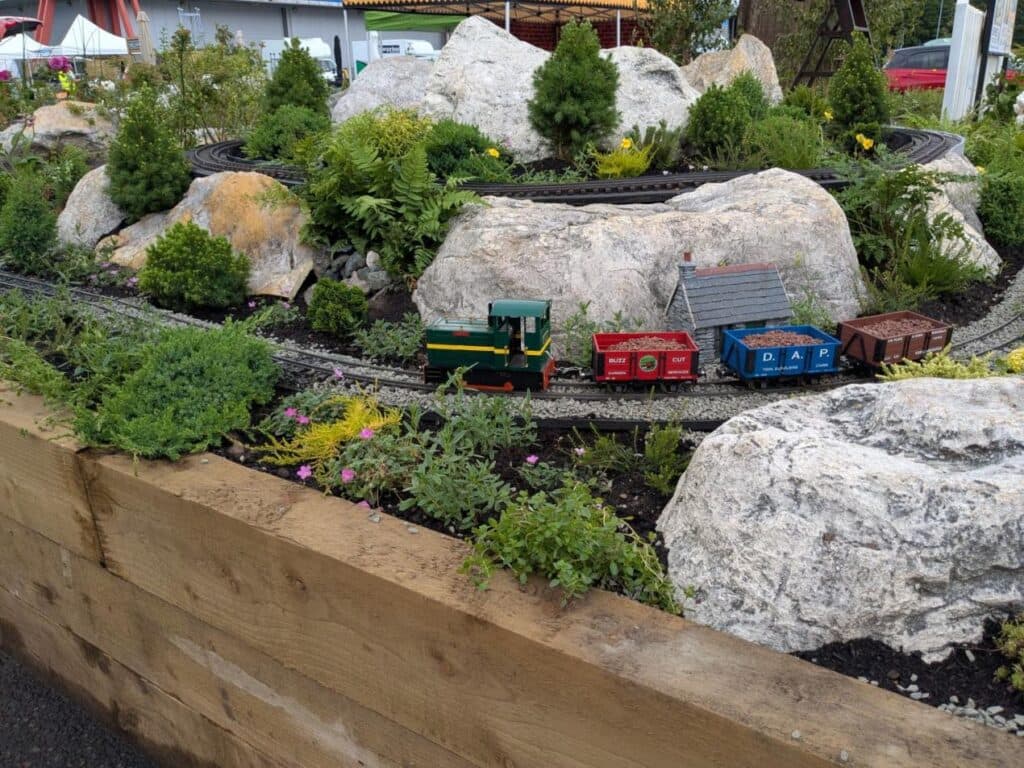
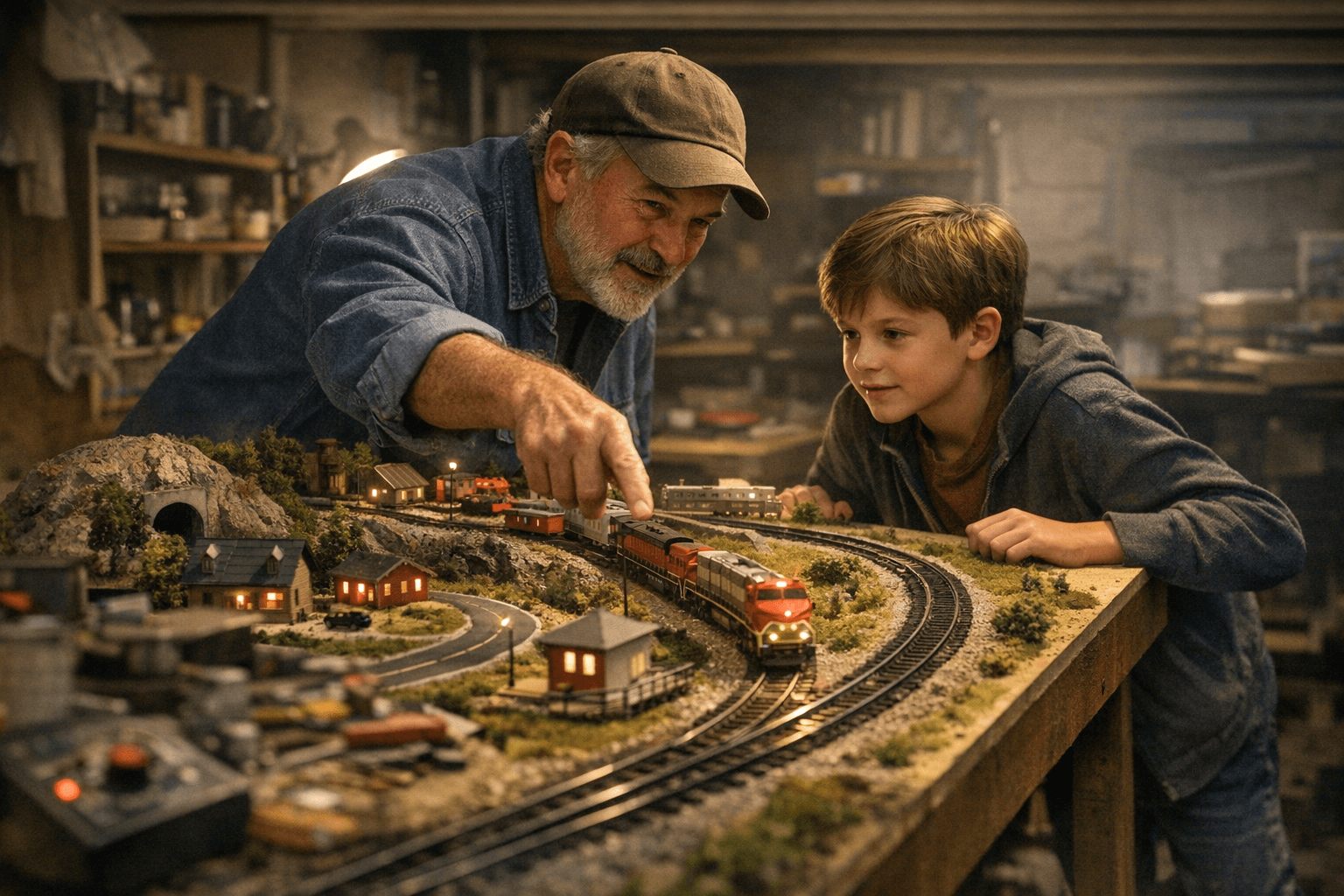
Before picking up a single piece of track, it helps to understand what you're ultimately building toward. The NMRA frames it well: "The goal for most model railroaders is a layout." And a layout isn't just track. According to the NMRA, "Track, motive power, rolling stock, structures, power pack, and scenery all combine as actors in our stage play, the layout."
Breaking that down practically:
- Track forms the physical infrastructure your trains run on, and choices here involve brand, profile, code (rail height), and whether you're handlaying or using flex/sectional track.
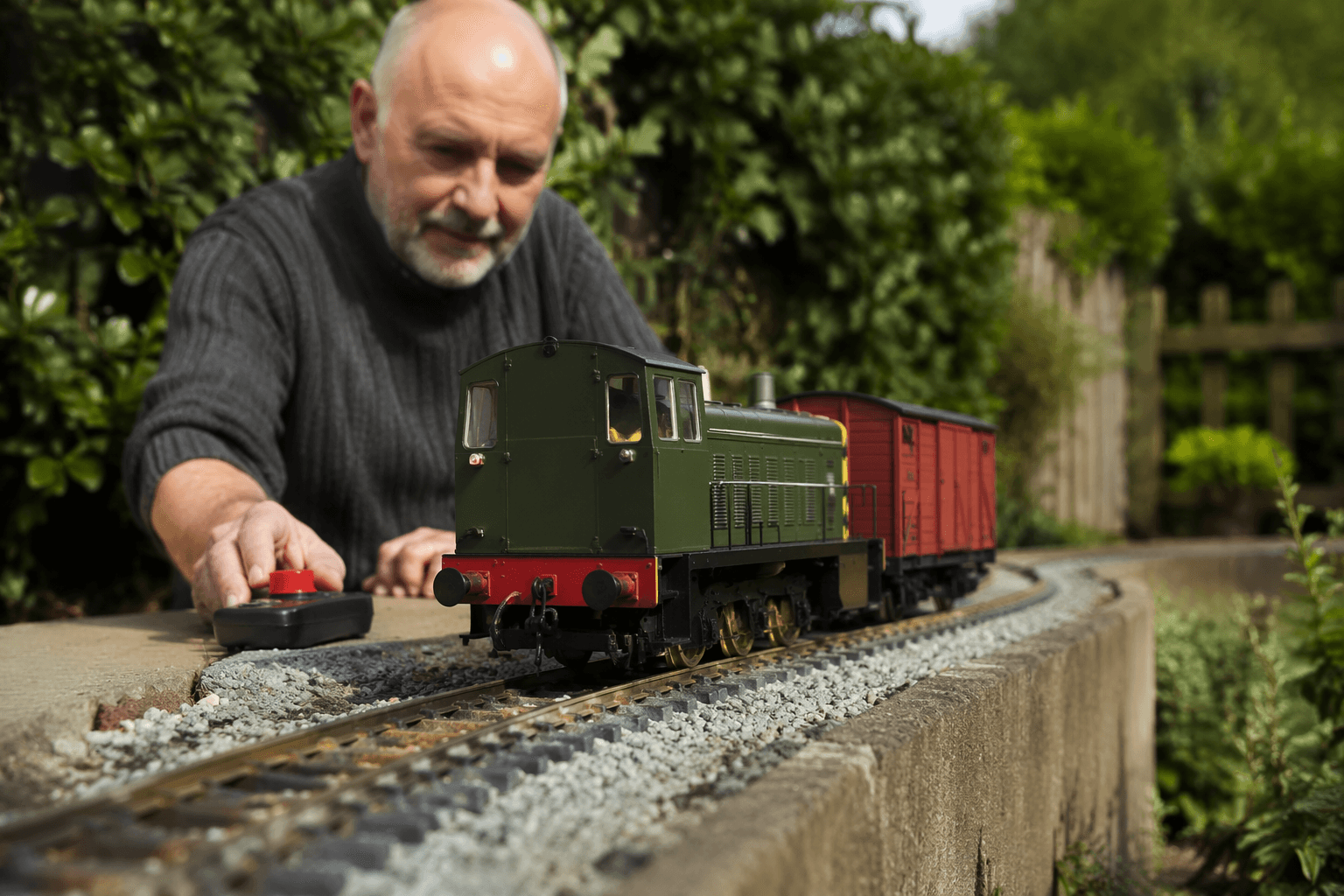
- Motive power refers to your locomotives, whether steam, diesel, or electric, and encompasses the DCC or DC systems used to run them.
- Rolling stock covers everything the locomotives pull or push: freight cars, passenger cars, maintenance-of-way equipment.
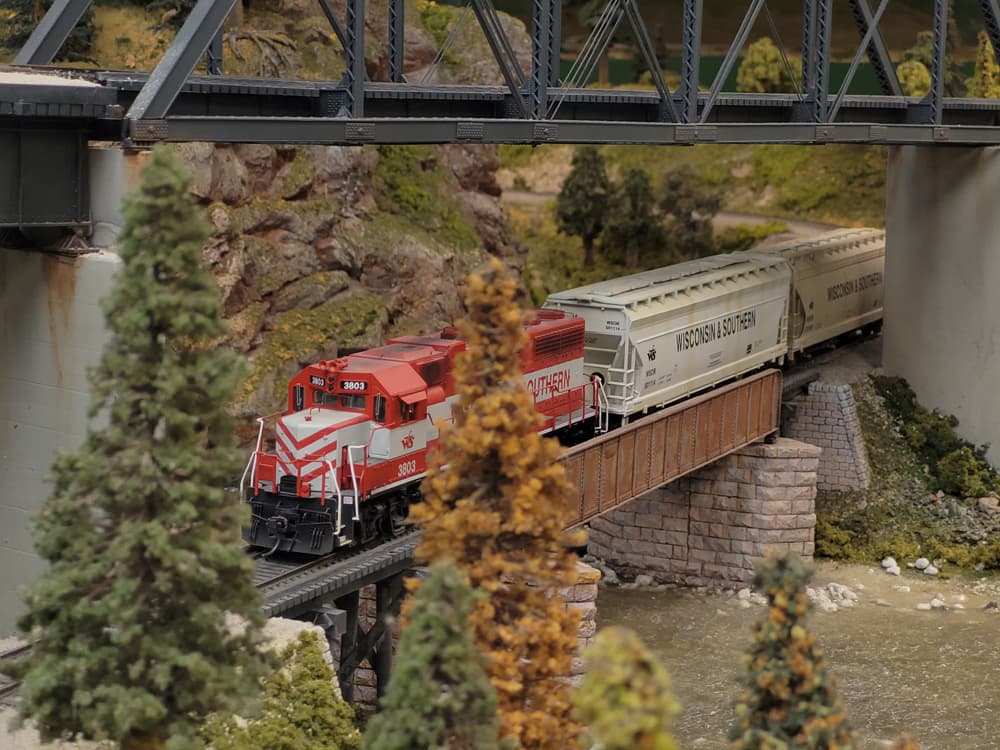
- Structures are the buildings, bridges, and facilities that populate your modeled scene and establish the era and region you're depicting.
- Power pack is the electrical system supplying current to the track, whether a traditional DC pack or a DCC command station.
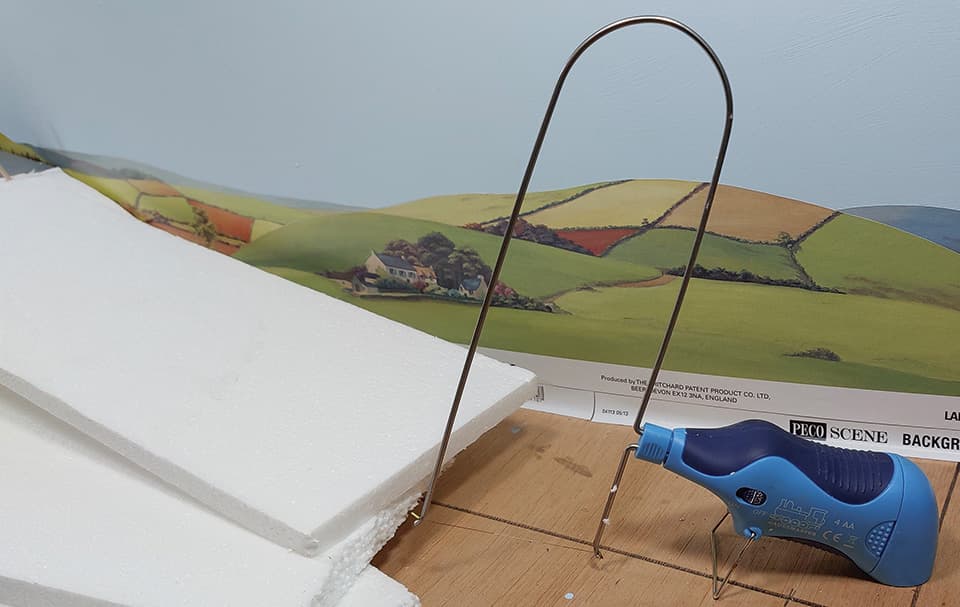
- Scenery ties the whole scene together: terrain, ground cover, trees, water features, and the countless details that make a layout feel inhabited.
Each of these categories represents its own learning curve and its own budget consideration. Understanding that all six work together from the beginning helps you avoid the common mistake of spending heavily in one area while neglecting another.
Planning Before You Build
"Whether you envision an oval of track, a switching layout, or an empire, you need a plan." That line from the NMRA applies to beginners just as much as it applies to experienced modelers expanding an existing setup. Layout planning is a discipline in itself, one the NMRA addresses in depth in Part 2 of its guide.
Planning involves deciding what prototype you want to model, what era, what geography, and what operations you want to perform. A simple loop layout and a point-to-point switching layout require very different track plans, and the physical space you have available shapes every decision that follows. Getting a rough plan on paper, even a sketch, before buying your first turnout saves money and frustration down the road.
Where to Start: Size and Scale
The NMRA's concrete recommendation for first-time builders is specific and practical: "A 4x8-foot layout or an 8x2 modular setup is a good size to start with in HO- and N-scales." HO scale, at 1:87, is the most widely available scale in North America, meaning the broadest selection of locomotives, rolling stock, and structures. N scale, at 1:160, allows you to fit more railroad into a smaller physical footprint, which matters enormously if you're working with limited space.
A 4x8-foot sheet of plywood is a standard starting point for HO builders because it's inexpensive, easy to source, and large enough to run a simple loop with some switching potential. The 8x2 modular option, meanwhile, gives you a layout that can be transported to club meets and expanded over time by adding more modules. Both approaches carry the same essential advantage: they're manageable. "You can build a bigger model railroad later."
The foundation that supports your track and scenery, the benchwork, is covered in Part 3 of the NMRA guide. Getting benchwork right matters more than most beginners expect, since a poorly supported layout will cause track alignment problems that become harder to fix once scenery goes down.
The Right Mindset for Beginners
Perhaps the most important guidance the NMRA offers has nothing to do with scale or benchwork. "The best advice for beginners is to start small and be willing to discard initial layouts. Don't be afraid to make mistakes." That second sentence deserves to be posted above every beginner's workbench. First layouts are learning experiences first and finished products second. Modelers who hold too tightly to their initial track plan often get stuck rather than progressing.
The NMRA also notes that "some longer-standing members may still have questions," which reframes the whole experience. This isn't a hobby where you graduate from beginner status and stop learning. The questions evolve, the techniques deepen, and the standards you hold yourself to rise over time. That's the nature of model railroading: the hobby grows with you.
Starting with reliable resources, keeping your initial scope achievable, understanding what goes into a layout before buying any of it, and giving yourself permission to rebuild and improve are the principles that separate modelers who stick with it from those who end up with an unfinished board in the garage.
This article was produced by Prism’s automated news system from verified source data, official records, and press releases, then run through automated quality and moderation checks before publishing. The system is built and supervised by the people who set the standards it runs under. Read our full AI policy.
Did this article answer your question?