Practical Steps to Start a Model Railroad Club Today, and Why It Matters
On December 23, 2025, Lucas Iverson released a how to community guide that laid out practical steps and contemporary considerations for starting a model railroad club. The guide matters because it converts common startup questions into a clear roadmap addressing vision, leadership, funding, outreach, and long term sustainability for clubs and local groups.

A concise, usable blueprint for founding a model railroad club reached the community on December 23, 2025, offering a focused set of decisions and actions that turn interest into an organized, lasting group. The guide begins with the most immediate choice, defining the club's vision. Decide your scale or scales, the era you want to model, and whether you will emphasize display, club layouts, or operations style. Clear answers here shape equipment needs, membership appeal, and meeting formats.
Next, assemble a committed leadership team. Start with a small core group that can handle essential roles and governance. Define roles such as president, treasurer, layout coordinator, and outreach lead, and set basic governance rules so decisions do not stall. Establish simple records and a meeting cadence to keep momentum during the early months.
Funding and facilities form the practical backbone. Explore fundraising ideas, and weigh owning versus leasing space based on budget and long term plans. Address insurance and liability from day one, and evaluate nonprofit status if you expect sustained donations or grant opportunities. Practical cost projections and a contingency plan for relocation help avoid surprises later.
Recruitment now mixes old and new techniques. Combine social media, Discord channels, and hobby forums with personal outreach at hobby shops and train shows. Maintain steady outreach rather than one time pushes, and keep messaging inclusive to welcome newcomers and veterans alike. Regular public events and open houses reinforce visibility and give potential members a low pressure way to join.
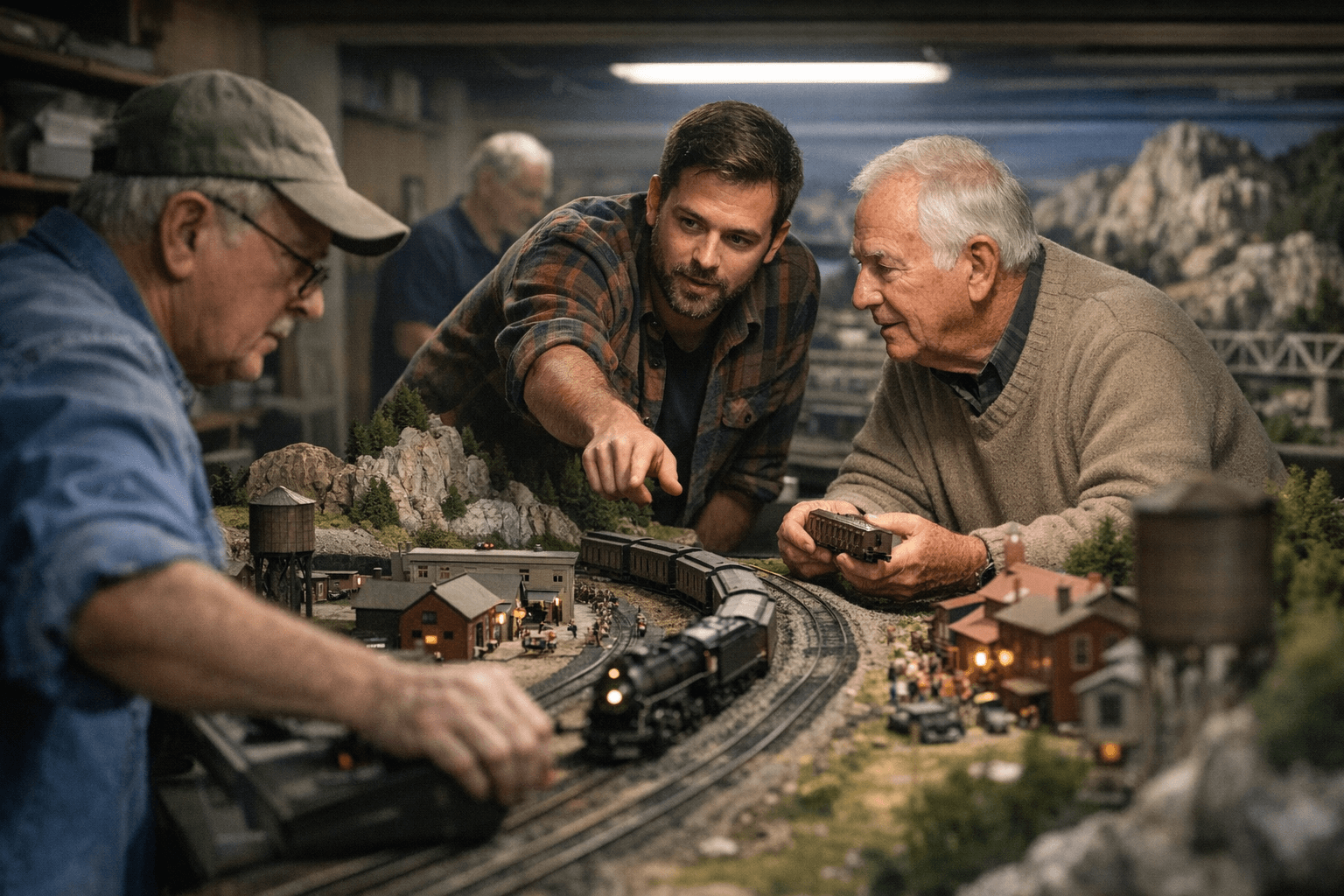
Plan for long term sustainability through basic administration, documented plans for growth or relocation, and attention to member culture. Balance short term chores such as maintenance and scheduling with longer term projects that keep members engaged. Inclusivity, steady outreach, and a realistic governance structure are emphasized as keys to survival and growth.
For anyone starting a club or formalizing a small group, this guide serves as a practical checklist that turns enthusiasm into structure, and helps ensure that community run layouts and events remain viable and welcoming for years to come.
This article was produced by Prism’s automated news system from verified source data, official records, and press releases, then run through automated quality and moderation checks before publishing. The system is built and supervised by the people who set the standards it runs under. Read our full AI policy.
Did this article answer your question?