NBA 2K fans revisit cut features, hidden remnants, and lost systems
NBA 2K24’s server sunset puts the pressure on 2K26: bring back offline depth, real injury logic, and modes that still matter when servers fade.
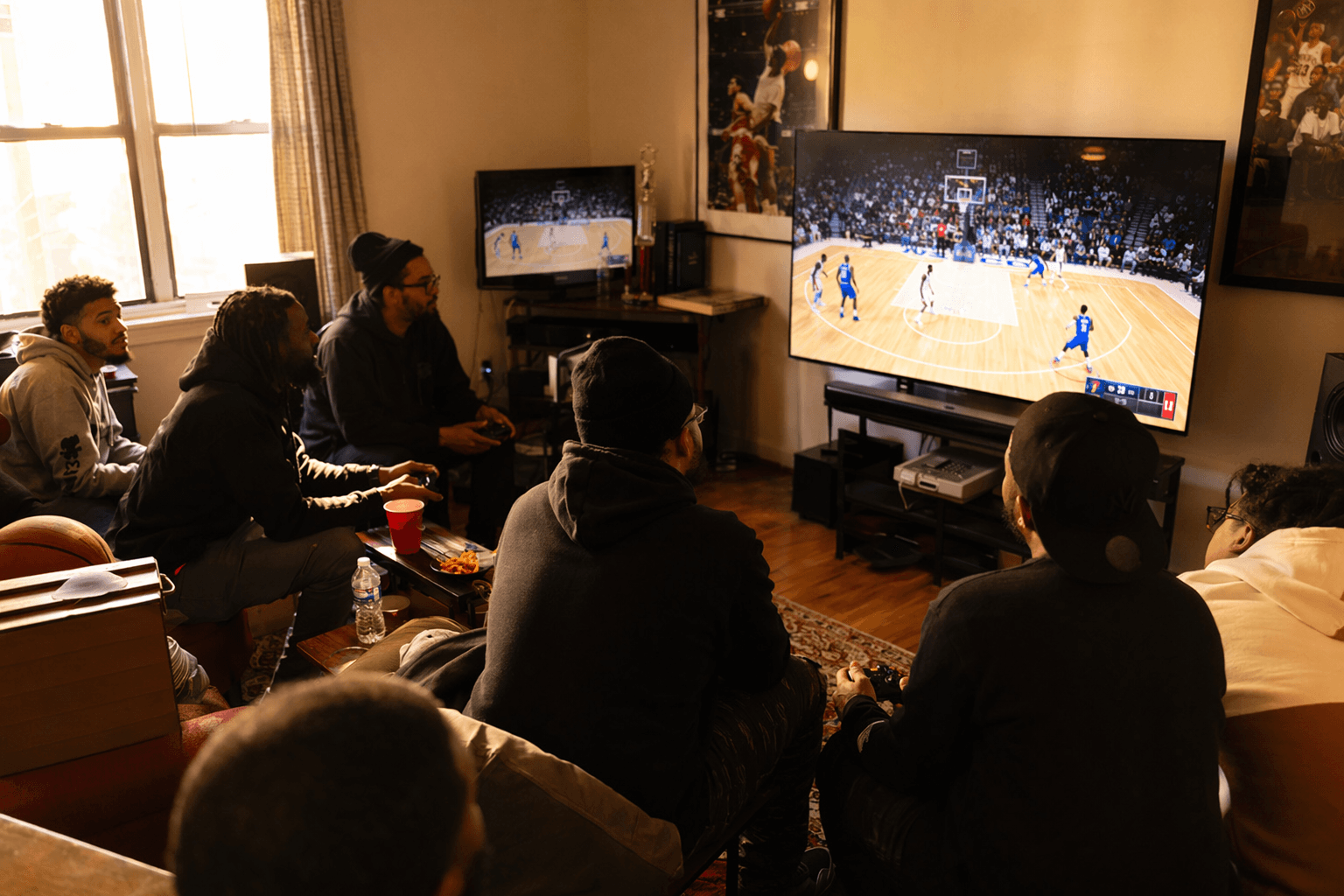
NBA 2K24’s shutdown has made one message impossible to ignore: if a mode only works while the servers are alive, it is not really built to last. Once online-dependent features disappeared on January 1, 2026, only offline options like Play Now and MyNBA were left standing, and that is exactly why cut systems suddenly feel less like trivia and more like a warning sign.
Why removed features matter right now
A recent Friday Five column from NLSC landed on April 24, 2026 and used basketball games’ leftovers to make a bigger point: features vanish for all kinds of reasons, from design changes and technical challenges to deadlines, legal issues, and monetization priorities. That framing matters for NBA 2K fans because the series lives on yearly change, and every removal changes how the game feels when you boot it up in July, October, or three years after release.
That is also why the community keeps circling back to hidden remnants. They are not just scraps in a file tree. They show where the game once had more ambition, where priorities shifted, and where the final product may have ended up thinner than it needed to be.
Bring back an offline career that survives the calendar
The clearest lesson from NBA 2K24 is that offline-first design is not optional anymore. When online modes go away, the game instantly loses part of its identity, even if the disc or download still launches cleanly. Play Now and MyNBA are still there, but for a lot of players that is the bare minimum, not the full experience.
That is why a true offline career structure should be one of the first things 2K brings back in a stronger form for NBA 2K26. A mode like Creating a Legend has been a long-running request because it would give solo players a reason to stay engaged without tying progress to a live-service backbone. One longtime forum take captured the frustration bluntly: it would “take attention away from the cash cow that has become 2K career.” That is exactly the kind of pressure point 2K keeps running into when mode variety shrinks and progression funnels everyone into the same path.
Restore gameplay systems that match the broadcast
The best surprise in the NLSC discussion comes from NBA Live 10. The game’s injury animations and commentary can make it look like a player has been hurt, even when the gameplay system does not function like earlier entries. Newer fans may not realize that a sports game can hint at a real on-court problem through presentation alone, and that kind of mismatch is a reminder of how much small systems matter.
For NBA 2K26, this is a direct call to restore injury logic that reaches beyond a pop-up and a timeout. If a player is banged up, the game should show it in substitutions, stamina, role changes, commentary, and late-game decision-making. When the broadcast acts like the moment matters but the mechanics stay flat, that is where presentation fatigue starts to set in.
Mode variety is not a luxury, it is the antidote to repetition
The annual grind gets stale when every year asks players to climb the same ladder in a slightly different wrapper. A fuller lineup of solo modes would do more than add menus. It would break up the monotony that has settled around the franchise’s most profitable path and give players a reason to stay in the game even if they are not chasing online progression.
That is where cut or neglected systems become practical again. NBA Live 10 is a good reminder that sports games used to lean harder into the texture of the season, not just the progression arc. It released in 2009 for PlayStation 3, Xbox 360, PSP, and iOS, and it was the last NBA Live title released on seventh-generation consoles. After the cancelled NBA Elite 11, the series went dormant for years, which is part of why remnants from that era still get attention today. When a franchise drops a system, fans remember what the game used to feel like, not just what it used to contain.
Let the community turn leftovers into usable tools
The modding angle is just as important as the nostalgia angle. NLSC’s NBA 2K26 modding section has recently been consolidated into a central hub for mod releases, previews, requests, help, and tools, and that tells you where the energy is. Fans are not only preserving the old stuff, they are actively organizing around it.
That should be a cue for 2K, not just the mod scene. If the series wants to stay relevant beyond one release cycle, it should give players more editable systems, clearer tools, and deeper ways to shape their own experience. The hidden remnants people keep digging up are proof that the appetite is there. Players want control, not just access.
What 2K26 should take from all of this
The smartest features to bring back are the ones that solve current pain points: offline depth, mode variety, and presentation that actually reflects what happens on the floor. A mode like Creating a Legend would help solo players. A stronger injury system would help immersion. Better offline resilience would protect the game when the online lifecycle ends. And more editable tools would let the community keep the experience alive long after the marketing cycle moves on.
Cut features tell you where a series has been, but they also point to what it still needs. For NBA 2K26, the goal should not be to recreate the past for its own sake. It should be to restore the systems that make the game feel complete, even when the servers are gone.
This article was produced by Prism’s automated news system from verified source data, official records, and press releases, then run through automated quality and moderation checks before publishing. The system is built and supervised by the people who set the standards it runs under. Read our full AI policy.
Did this article answer your question?