NBA 2K’s green-or-miss shooting reignites debate over lost dice-roll mechanics
Green-or-miss is still the rule, but Andrew’s latest NLSC take asks a sharper question: would a little dice-roll variance actually fix latency and shot stress?
Why NBA 2K keeps circling back to shooting
NBA 2K’s shooting debate is back because it never really left. In NLSC’s May 4, 2026 Monday Tip-Off column, Andrew revisits dice-roll shooting mechanics and the old-school appeal they still hold, while the site’s homepage frames the post as a reminder that Green Releases are likely to remain a fixture of NBA 2K’s shooting mechanics moving forward. That matters because this is no longer just a nostalgia argument. It is a live question about whether the current green-or-miss model is solving the right problems for players who spend most of their time in MyCAREER, Park, and Pro-Am.
What the old model gave you
The case for probabilistic shooting has always been about texture, not just randomness. NLSC’s 2017 green-release discussion framed the mechanic as part of a larger push away from guaranteed baskets, but it also showed why the topic keeps dividing the community: once shooting is built around a perfect-timing check, every jumper can turn into an all-or-nothing event. The older style carried more ambiguity, yet it also created a different rhythm and a different risk profile, one that could make a midrange pull-up or late-clock attempt feel less like a sentence and more like a basketball decision.
Why the modern green window feels so unforgiving
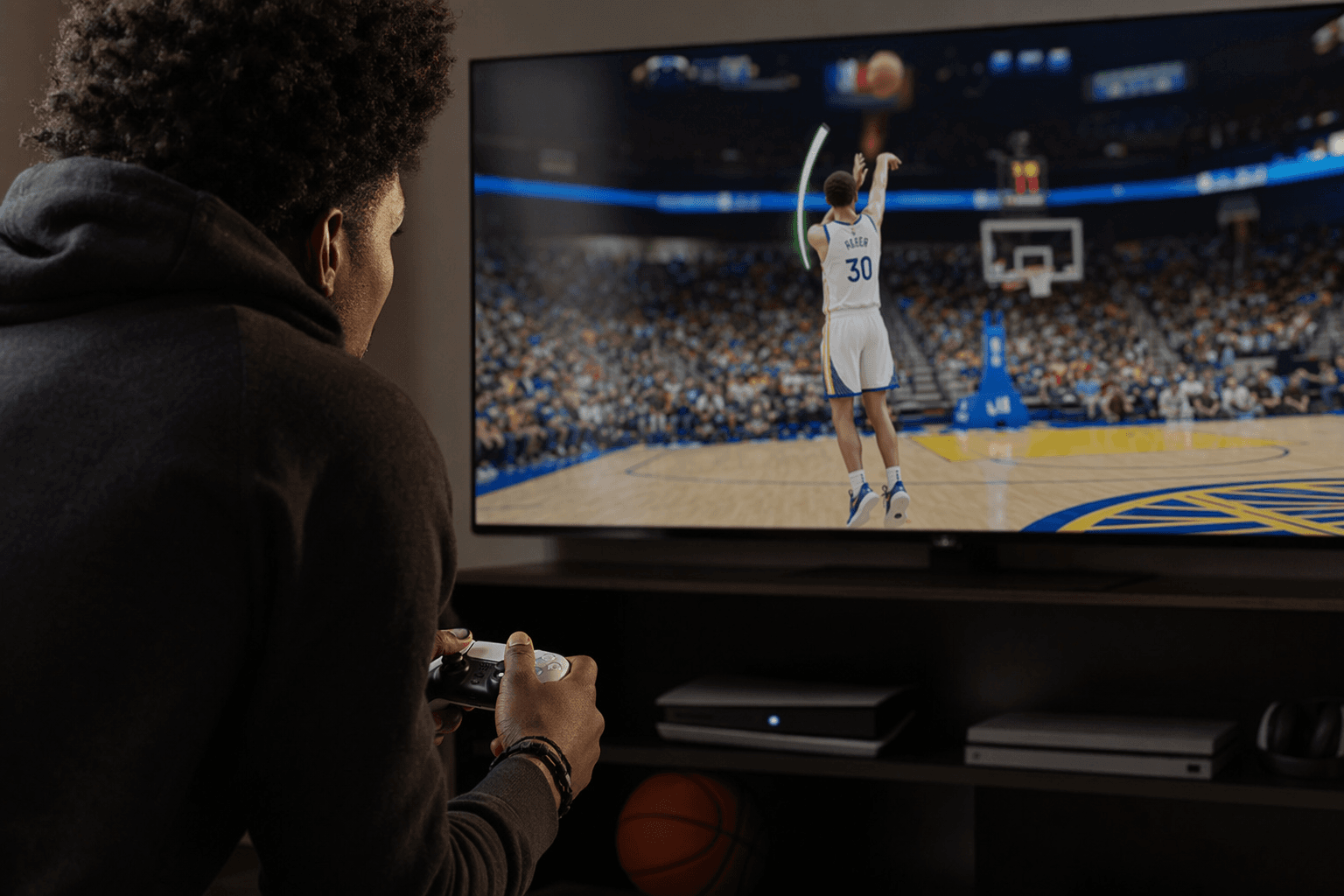
That feeling has become sharper as the timing window has narrowed. NBA2KLab says the modern green window is generally only 50 to 60 milliseconds wide, and even a perfectly timed release can still miss because there is still RNG in the system. That is the core frustration for a lot of players: if the game asks for near-perfect precision but still leaves room for a miss, then every bit of latency, controller delay, or online desync feels like it is attacking the most important part of the possession. In Park and Pro-Am, where the same jumper can feel smooth one game and late the next, that narrow margin makes the shot model feel less like a skill test and more like a stress test.
The 2K17 pivot that changed the series
This was not an overnight shift. In the NBA 2K17 gameplay blog, Mike Wang confirmed that green releases would not miss and explained that the new Shot Meter and Pro Stick were designed to give players more control. NLSC’s coverage from that era shows the design goal clearly: preserve realism, but do it through more readable user input and tighter control over how a shot is triggered. That is the foundation of the modern approach, and it is why the debate still lands with so much force today. The series made its bet years ago, and it has been reinforcing that bet ever since.
Why 2K keeps doubling down on skill
2K’s own messaging around NBA 2K24 makes that philosophy even clearer. On August 15, 2023, 2K said the game’s gameplay changes were being built around community feedback and were meant to be more skill-based and intuitive, with shooting and dribbling described as more accessible and intuitive than ever before. The publisher also said NBA 2K24 was scheduled for release on September 8, 2023, and paired that with a MyCAREER reset that was streamlined to put the emphasis back on proving yourself on the court, while The City returned with a new beachfront setting and added features. That is a direct statement of where the series wants to go: less ambiguity, more readable inputs, and a stronger focus on on-court execution.
What a dice-roll model would actually fix today
The real question is not whether randomness belongs in a basketball game in the abstract. It is what a probabilistic shooting model would fix that pure timing does not. It would not make bad shot selection good, and it would not turn every contested jumper into a bucket, but it could soften the feeling that a tiny timing variance, or a connection hiccup online, is the only thing separating a clean look from a miss. That is why Andrew’s reflection lands now: NLSC is not arguing that the older mechanics were perfect, only that they offered a different balance between control, uncertainty, and stress.
The debate is still the same, only more visible
NLSC’s 2019 green-release column said the argument was still unresolved three years after the original 2017 discussion, and that is exactly why the topic keeps resurfacing. Green-or-miss shooting remains the cleanest way to reward skill, but it also narrows the margin for error in a game where online conditions are never perfectly uniform. As long as NBA 2K keeps leaning on precision timing, the old dice-roll question will keep hanging around in the background, because the community still wants to know whether the series is chasing realism, accessibility, or competitive clarity first.
This article was produced by Prism’s automated news system from verified source data, official records, and press releases, then run through automated quality and moderation checks before publishing. The system is built and supervised by the people who set the standards it runs under. Read our full AI policy.
Did this article answer your question?