NBA 2KW unveils Hakeem Olajuwon NBA 2K26 template build for dominant bigs
Hakeem’s NBA 2K26 template gives bigs a paint-first blueprint with 93 block, elite boards, and enough mid-range touch to punish smaller lineups.
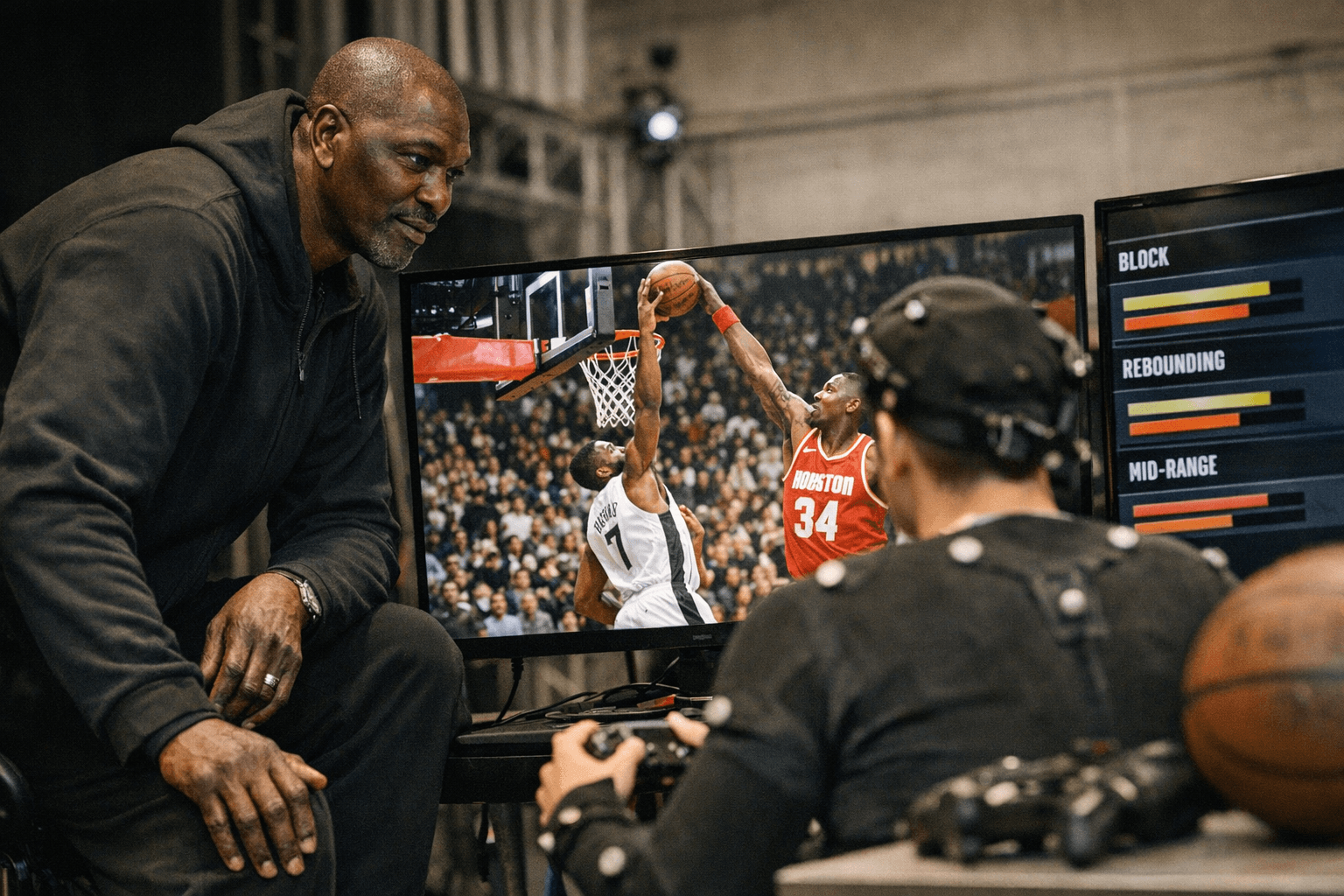
Hakeem template build brings a real center answer back to NBA 2K26
NBA 2KW’s Hakeem Olajuwon template build gives big-man players a clear path back to the kind of center that can take over a game without living on the perimeter. Built for players who want to anchor the paint, it leans into post scoring, rim protection, rebounding, and enough shot-making touch to stay dangerous when defenses load up inside.
The appeal is immediate: this is an official NBA 2K26 template for a classic dominant big, not a novelty build dressed up as one. At center, 7-foot-0, 255 pounds, with a 7-foot-3 wingspan, it is sized to control space rather than chase mismatches all over the floor. That frame, paired with the Hakeem name, tells you exactly what kind of game it wants to play: one built on physicality, positioning, and old-school paint pressure that still has a place in today’s meta.
What the template is built to do
A true interior anchor
The most important thing about this build is that it is not trying to be a stretched-out hybrid pretending to be a center. Its core job is to dominate the lane, punish smaller defenders, and erase mistakes at the rim. With a 92 close shot and 90 standing dunk, the template is designed to convert touches into efficient points rather than settle for difficult looks.
That matters in NBA 2K26 because the best bigs are still the ones who force the defense to collapse. If the opposing center is too small, the Hakeem template can bully him. If help comes late, the build has the tools to finish through traffic. That makes it especially valuable in MyCAREER and competitive modes where paint touches are often the cleanest source of offense.
Post work is the selling point
The 87 post control is the number that gives this template its identity. Combined with the deep set of fakes and counters the guide highlights, it is built for players who like to read defenders, punish overplays, and score with feel instead of just relying on raw attributes. This is the part of the build that keeps it from being a generic rebound-and-dunk center.
That Hakeem-style package matters because it gives you a usable counter when the lane is crowded. If the rim is sealed off, you can still work the block, use fakes, and create clean looks from the paint rather than forcing bad shots. In a game where many centers are reduced to screens and putbacks, that kind of post toolkit is what makes the template stand out.
Where the numbers separate it from ordinary bigs
Strong enough to control the glass and protect the rim
The rebounding and defense ratings are what turn this from a scoring build into a true two-way anchor. A 85 offensive rebound and 92 defensive rebound mean the template is ready to clean up possessions on both ends, while the 93 block gives it the kind of rim protection that changes how guards attack the lane. Add 86 strength and you get a center that is clearly meant to hold ground instead of getting shoved out of position.
In practical terms, that profile is exactly what you want when you are trying to survive against smaller lineups. It should punish missed shots, turn contested finishes into difficult ones, and keep second-chance opportunities alive when your team needs an extra possession. For players who are tired of watching the opposing big farm easy boards, this is the kind of build that can flip that script.
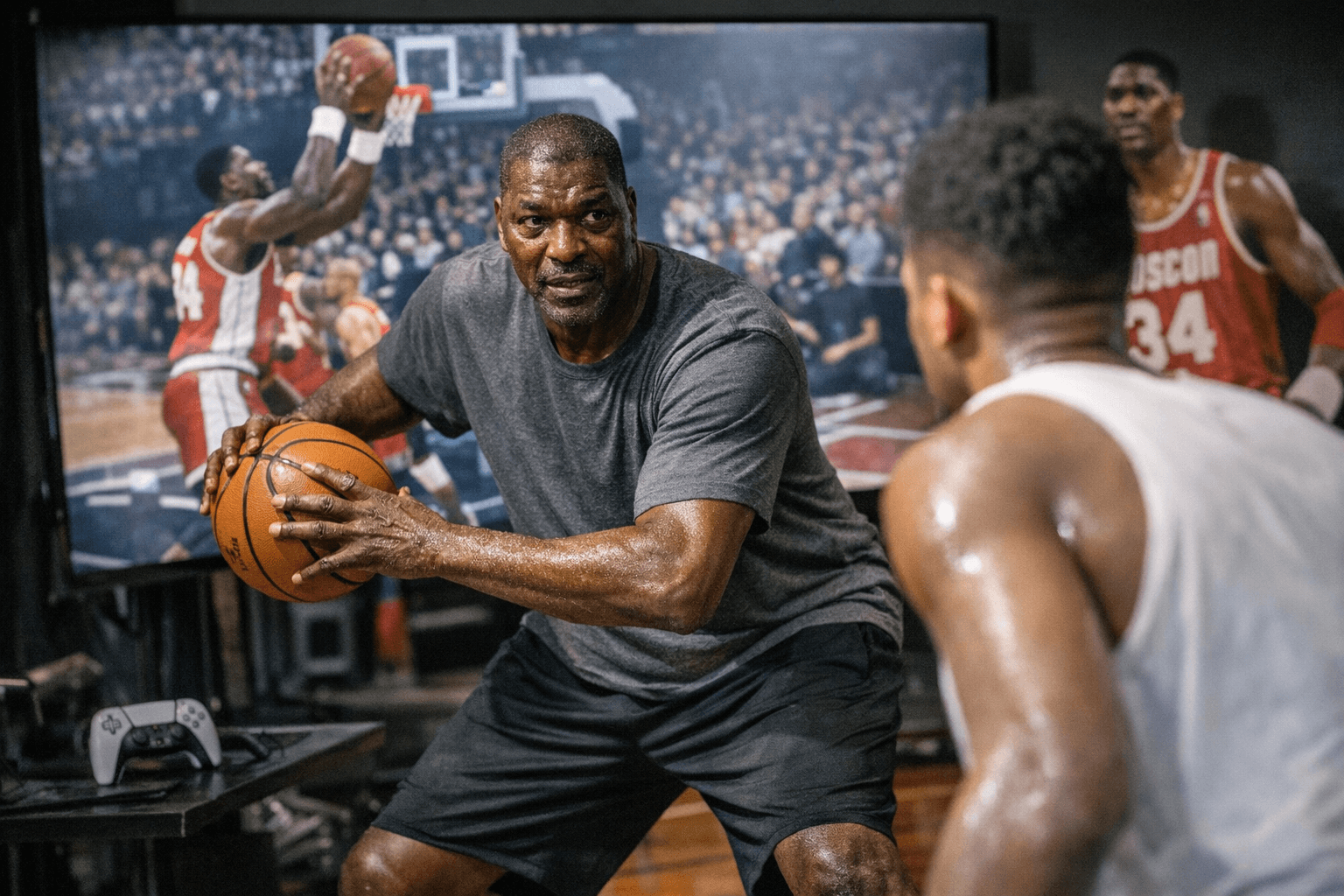
Enough mid-range touch to keep defenses honest
The 80 mid-range shot is a crucial piece of the design. Without it, this would be just another paint-only center that good defenses could ignore once they wall off the rim. With it, the build becomes much harder to scheme against because you can step into a reliable jumper when the defense sags too deep.
That matters even more against modern lineups that want to drag a center away from the basket. The template’s mid-range touch gives it a real pressure release, so it is not forced to live and die on pure post-ups. It may never be mistaken for a stretch-five, but it does enough shooting work to keep defenders from sitting in the lane all game.
How it plays in the current center meta
Best used as a paint-first team anchor
This template is a strong fit for players who want to run offense through the interior instead of leaning on a perimeter-heavy style. It rewards screening, rebounding, and half-court patience, which makes it especially useful for teams that want a center to be a true identity piece. You are not building around flare screens and spacing tricks here. You are building around the idea that the paint should belong to you.
That gives the build a practical edge in modes where direct interior value still matters. If your squad needs a reliable rebounder, a low-post scoring threat, and someone who can protect the rim without giving up all offense, this template makes a lot of sense. It is the kind of build that can stabilize a lineup because it does several valuable things at once.
Where stretch and speed lineups can test it
The same traits that make the build so effective inside also define its limits. Because it is clearly a traditional interior centerpiece, it is most comfortable when the game stays near the rim and the half court. Against stretch lineups, the challenge is being pulled away from your comfort zone. Against speed lineups, the test is whether your interior control translates quickly enough when the pace rises.
That does not make the template weak. It just means its value is tied to how well you use it. If you want a center who can roam freely on the perimeter, this is not that build. If you want a big who can protect the paint, win rebounds, and still punish smaller defenders when the game slows down, it is exactly the kind of template that can survive in NBA 2K26’s current meta.
Why this guide matters before you spend VC
The biggest advantage of this Hakeem template is that it gives you a ready-made blueprint with a clear role. There is no guessing about whether the build is supposed to be a scorer, a defender, or a rebounder. It is all three, with the paint as its center of gravity. That clarity matters when you are deciding where to spend VC and how much time to invest.
For players who miss the feeling of owning the lane, this build is a practical reminder that a dominant big still has real value. The 7-foot-0 frame, 7-foot-3 wingspan, 92 close shot, 90 standing dunk, 87 post control, 85 offensive rebound, 92 defensive rebound, 93 block, 86 strength, and 80 mid-range shot all point in the same direction. It is built to make the paint uncomfortable for everybody else, and in the right hands, that is still one of the most valuable jobs in NBA 2K26.
This article was produced by Prism’s automated news system from verified source data, official records, and press releases, then run through automated quality and moderation checks before publishing. The system is built and supervised by the people who set the standards it runs under. Read our full AI policy.
Did this article answer your question?