The Black Hokage flags NBA 2K26 preview flaws, from collisions to passing
The Black Hokage’s preview breakdown spotlights the exact things 2K has to clean up fast: steals, collisions, passing, camera readability, and motion blur.
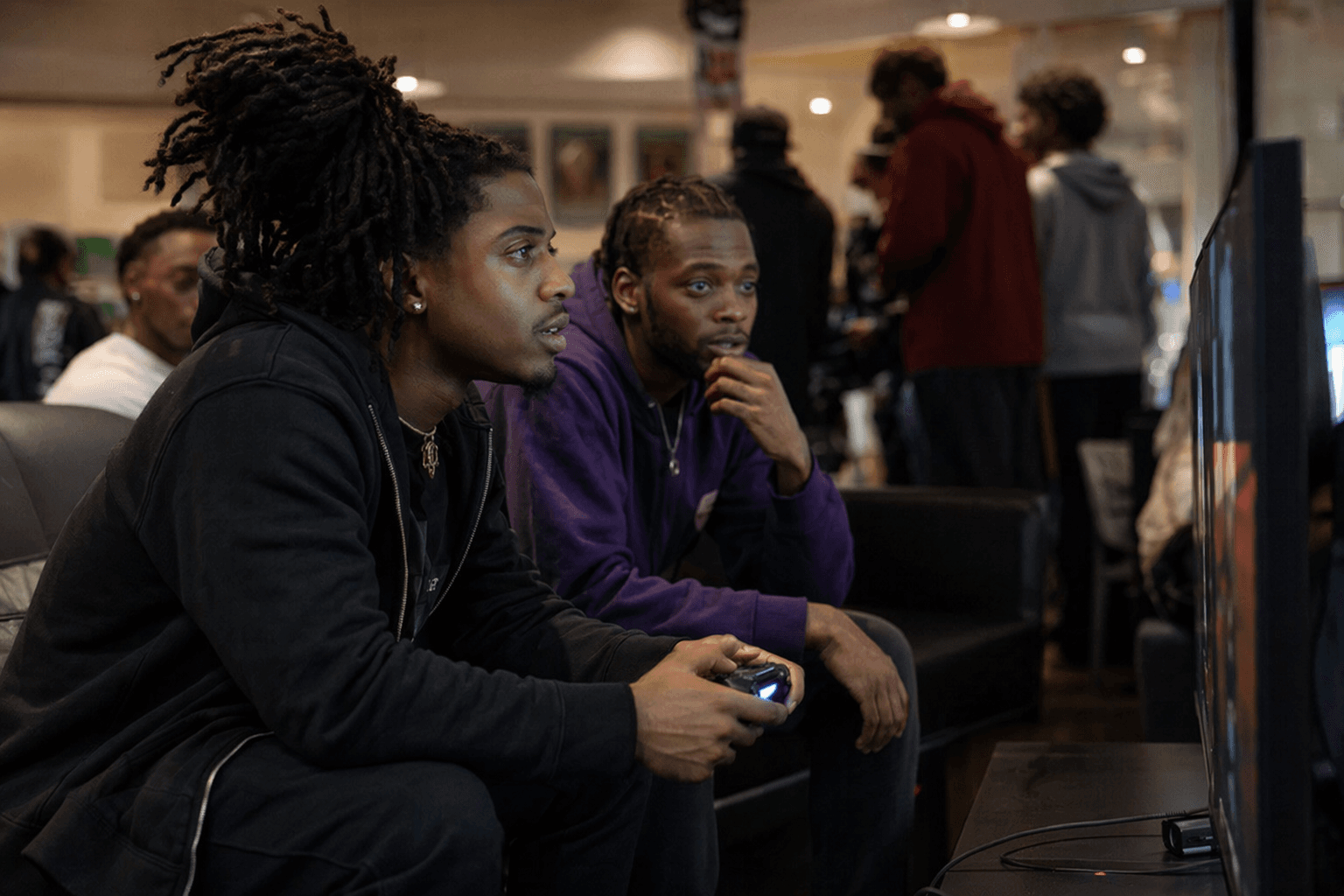
The Black Hokage is not chasing nitpicks here. His NBA 2K26 preview breakdown goes straight at the systems that decide whether a possession feels sharp or sloppy: steal balance, player collisions, floaty passing, camera angles, stat imbalances, and motion blur. That matters because 2K is selling this year’s Gen 9 build on a bold promise, a new Dynamic Motion Engine powered by ProPLAY, enhanced Rhythm Shooting, and presentation updates meant to make every movement look and feel more lifelike.
The collision criticism lands hardest because it pokes at one of 2K’s biggest talking points. Official materials say player-to-player contact is now driven by system-based technology and is supposed to be more reliable than the older scripted motion-capture style of contact resolution. If the preview build still shows sliding bodies, weak bumps, or awkward contact on drives and rebounds, that is not just a balance complaint. It becomes a direct stress test of the feature 2K is using to define NBA 2K26.
Steals are the first tuning problem that can shape the whole game. When steal balance is off, every mode feels it immediately, from Park possessions to Rec half-court sets to Proving Grounds pressure. If reaching in is too rewarding or lane steals become the safest defensive answer, players stop building around basketball and start building around disruption, which is exactly how a meta hardens before launch. This is the kind of issue 2K can usually address with numbers, so it reads like a patchable tuning job rather than a fatal flaw.
Passing feel sits next because bad passing warps offense possession by possession. The Black Hokage’s floaty-passing complaint points to the kind of problem that makes spacing, cuts, and quick reads feel delayed even when the right decision is made. If the ball hangs in the air too long or arrives with the wrong weight, the whole rhythm of the game changes. That is still the kind of issue a day-one update can improve, but only if the underlying passing response is close enough to fix with tuning instead of a deeper rewrite.
Camera readability is less flashy, but it can be one of the most damaging problems in actual play. If the angle makes it hard to see help defense, corner shooters, or off-ball movement, the game stops serving the player and starts getting in the way. That is especially important in NBA 2K, where one bad read can decide a possession in Park, Rec, or any competitive online setting. Camera issues are usually patchable, but if the default views remain awkward, the problem lingers because players feel it every single game.
Motion blur is the cleanest fix on the list, which is why it should be treated as a priority. It is a presentation problem first, not a design mystery, and if it blurs lane reads or makes reaction timing harder, it undermines the sharper movement 2K says the new engine is supposed to deliver. This is the type of complaint that can often be solved quickly with visual tuning, and it should not be allowed to sit around long enough to cloud first impressions.
Stat imbalances are the quieter threat underneath the louder gameplay complaints. If certain ratings or attributes outpace everything else, the game can slip toward arcade-style play, where the smartest route is chasing overpowered builds instead of playing within the intended basketball structure. That tension has followed NBA 2K for years, and the current wave of creator and community coverage around NBA 2K26, especially the early-access gameplay breakdowns, builds, and defense-and-balancing concerns, suggests these are recurring pressure points rather than isolated gripes. The Black Hokage’s feedback fits that pattern because it is not just about one strange clip or one weird possession, it is about whether the game’s systems reward real hoops or exploit-friendly shortcuts.
That is also why the critique carries extra weight for 2K’s own messaging. The publisher has spent a lot of time framing NBA 2K26 through a Courtside Report hub and roadmap that promise game-mode details, feature enhancements, and seasonal updates. The Courtside Report materials also say the game includes Intermediate Tutorials meant to bridge the gap between basic instruction and advanced drills, which is a smart move if the studio wants newer players to learn the game without getting buried by the meta. But tutorials can only do so much if the core feel of collisions, passing, and defense still needs major cleanup.
The platform picture raises the stakes even further. 2K’s official materials list PlayStation 5, Xbox Series X|S, PC, and Nintendo Switch 2 for NBA 2K26, which means the game has to land across a wide spread of audiences and performance expectations. With tip-off less than a month away in the latest presentation update, the window for fixing the most visible problems is tight. That makes the difference between a solvable tuning pass and a deeper red flag especially important to watch.
What looks most fixable now are steal balance, passing response, camera readability, and motion blur. Those are the kinds of issues that can be smoothed out with patches, feedback, and a little restraint from the balance team. Collisions are the real watch item, because they touch the heart of 2K’s promised leap in motion and realism. If NBA 2K26 can make body contact feel trustworthy, then the rest of the tuning can settle into place. If it cannot, the game’s biggest marketing claim will already be under pressure before launch night ends.
This article was produced by Prism’s automated news system from verified source data, official records, and press releases, then run through automated quality and moderation checks before publishing. The system is built and supervised by the people who set the standards it runs under. Read our full AI policy.
Did this article answer your question?