Commonwealth Fusion Systems targets 2027 start for first U.S. fusion plant
Commonwealth Fusion Systems said its Virginia ARC plant could break ground in 2027, while its Massachusetts demo is more than 75% complete and due to switch on that year.
Commonwealth Fusion Systems is trying to turn fusion from a long-promised experiment into a construction schedule. CEO Bob Mumgaard said the company expects to begin building its first U.S. commercial fusion plant in 2027, after its Massachusetts demonstration machine is switched on and the company clears the last permitting and electricity-side milestones for its Virginia site.
The project centers on ARC, a 400-megawatt plant planned for the James River Industrial Center in Chesterfield County, Virginia. CFS says the site will be financed, built, owned and operated by the company itself, while Dominion Energy Virginia will provide non-financial collaboration, including development and technical expertise plus leasing rights for the property. CFS says that scale is enough to power large industrial users or about 150,000 homes, putting fusion into the same practical conversation as other grid assets that have to answer for reliability, siting and power delivery.
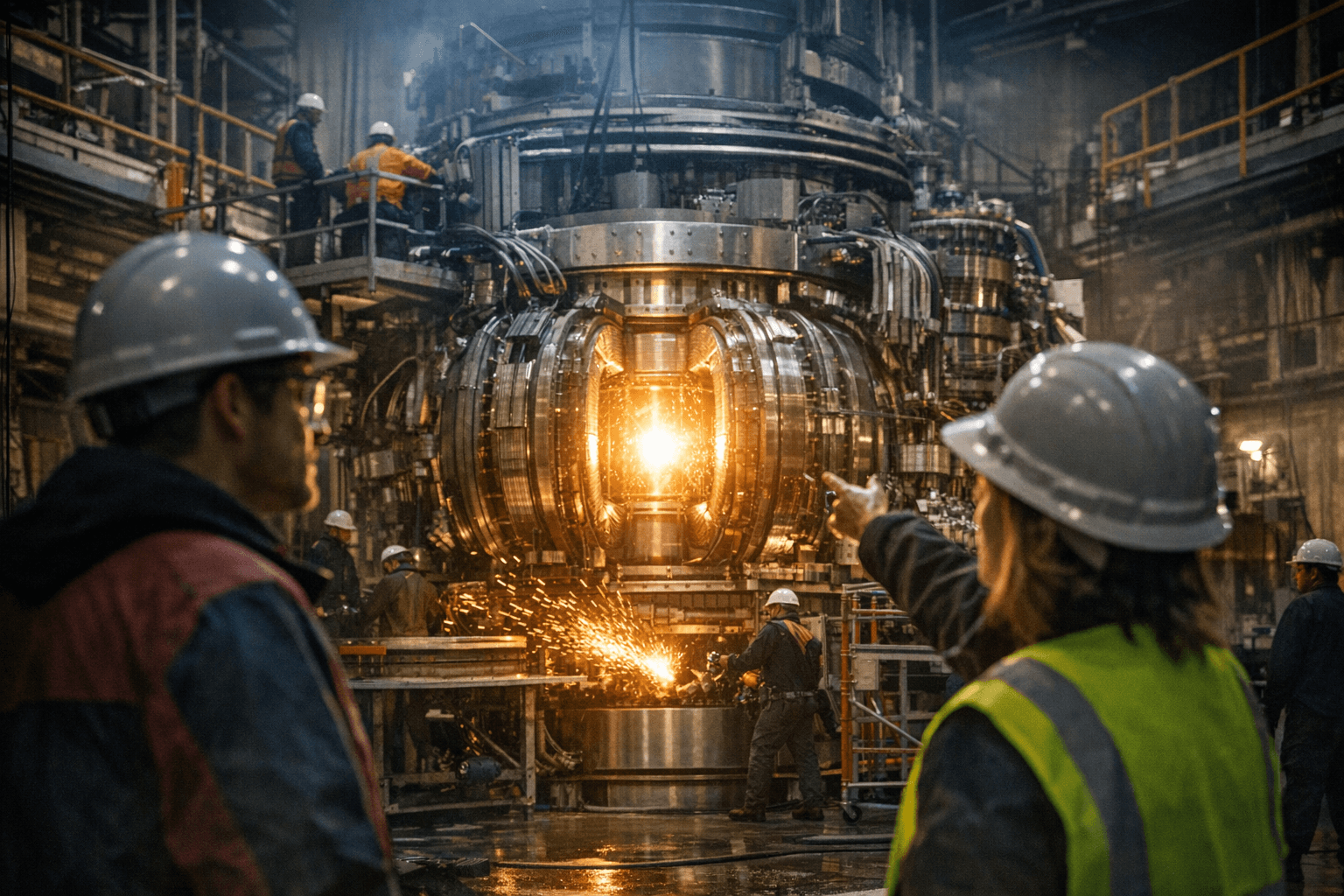
That makes the 2027 construction target more than a headline. It is a credibility checkpoint against the work still in front of CFS: permitting in Chesterfield County, connection to the electricity system, and the capital discipline needed to push from demonstration hardware to a commercial plant. CFS says its demonstration machine in Devens, Massachusetts is more than 75% complete and is expected to turn on in 2027, with net fusion energy expected shortly after on the company’s SPARC program.
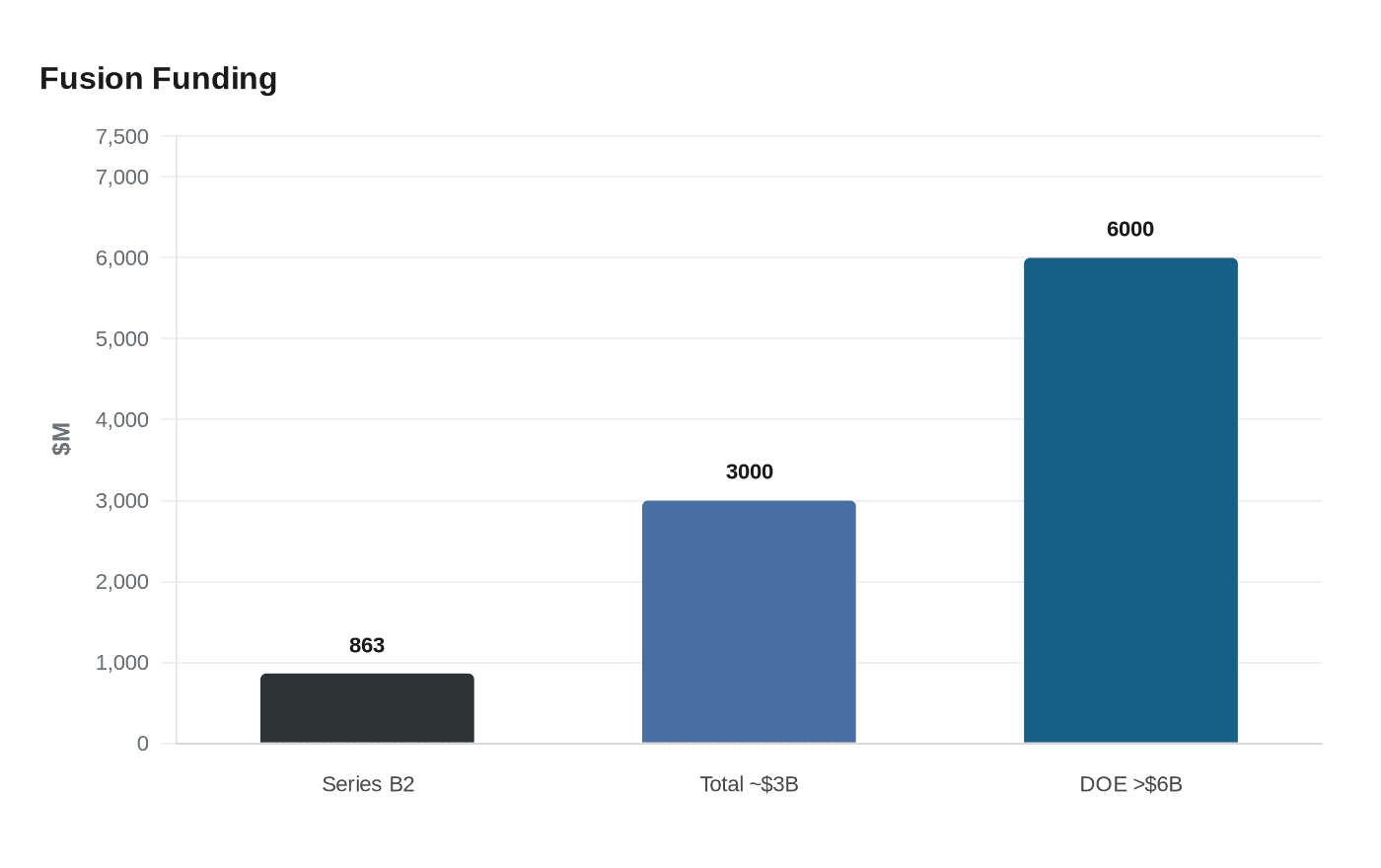
The financing picture is part of why Commonwealth Fusion Systems matters more than generic fusion hype. In August 2025, the company said it raised $863 million in a Series B2 round, bringing total capital raised to close to $3 billion. CFS said that figure was about one-third of total private fusion investment worldwide, a sign that the company has become the sector’s clearest bet on a path to power generation rather than another laboratory milestone.
CFS also said it had conducted a global search for the ARC site and is still looking at additional locations in the eastern United States, the Rust Belt, and overseas markets including the UK, Germany, Japan, Korea and Singapore. That suggests a deployment strategy built for repetition, not a one-off demo. The company’s own timeline puts ARC power delivery in the early 2030s, which is still ahead of the U.S. Department of Energy’s broader goal of commercial fusion on the grid by the mid-2030s.
DOE has said several privately funded fusion companies have cleared early milestones under its Milestone-Based Fusion Development Program, and its 2024 Fusion Energy Strategy estimated more than $6 billion in cumulative equity investment in private fusion firms, with 80% of that in U.S. companies. Against that backdrop, CFS’s 2027 construction target is the number the fusion industry will now have to answer.
This article was produced by Prism’s automated news system from verified source data, official records, and press releases, then run through automated quality and moderation checks before publishing. The system is built and supervised by the people who set the standards it runs under. Read our full AI policy.
Did this article answer your question?