IAEA warns drone strike near Barakah nuclear plant risks catastrophe
A drone strike outside Barakah forced backup power onto Unit 3 and put off-site grid failure, not a reactor hit, at the center of the scare.
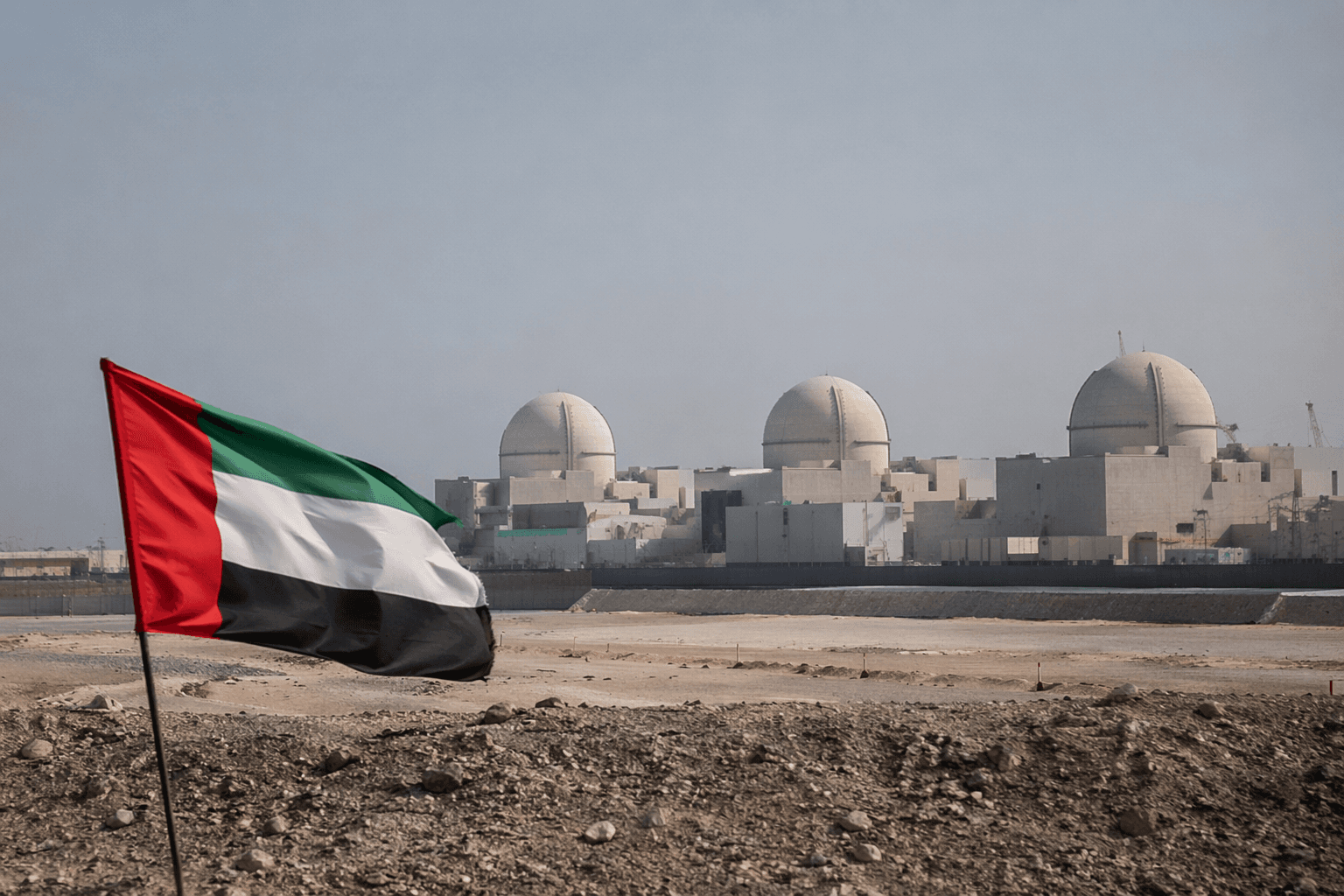
A fire in an electrical generator outside Barakah’s inner perimeter was enough to force emergency diesel generators onto Unit 3, a blunt reminder that a nuclear crisis does not require a direct hit on the reactor building. International Atomic Energy Agency Director General Rafael Mariano Grossi took that warning to the United Nations Security Council in New York, where he said a nuclear disaster in the United Arab Emirates was narrowly averted after drones struck near the plant on 17 May 2026.
The plant itself stayed stable. Radiation levels remained normal, no injuries were reported, and the reactor’s essential systems continued operating as designed. But the episode exposed the part of nuclear safety that matters most in wartime: power, access, and time. The IAEA said off-site electricity to Unit 3 was restored on 18 May 2026, ending the need for diesel backup. Grossi called that restoration an important step for nuclear safety because it returned the unit to a more resilient operating condition.
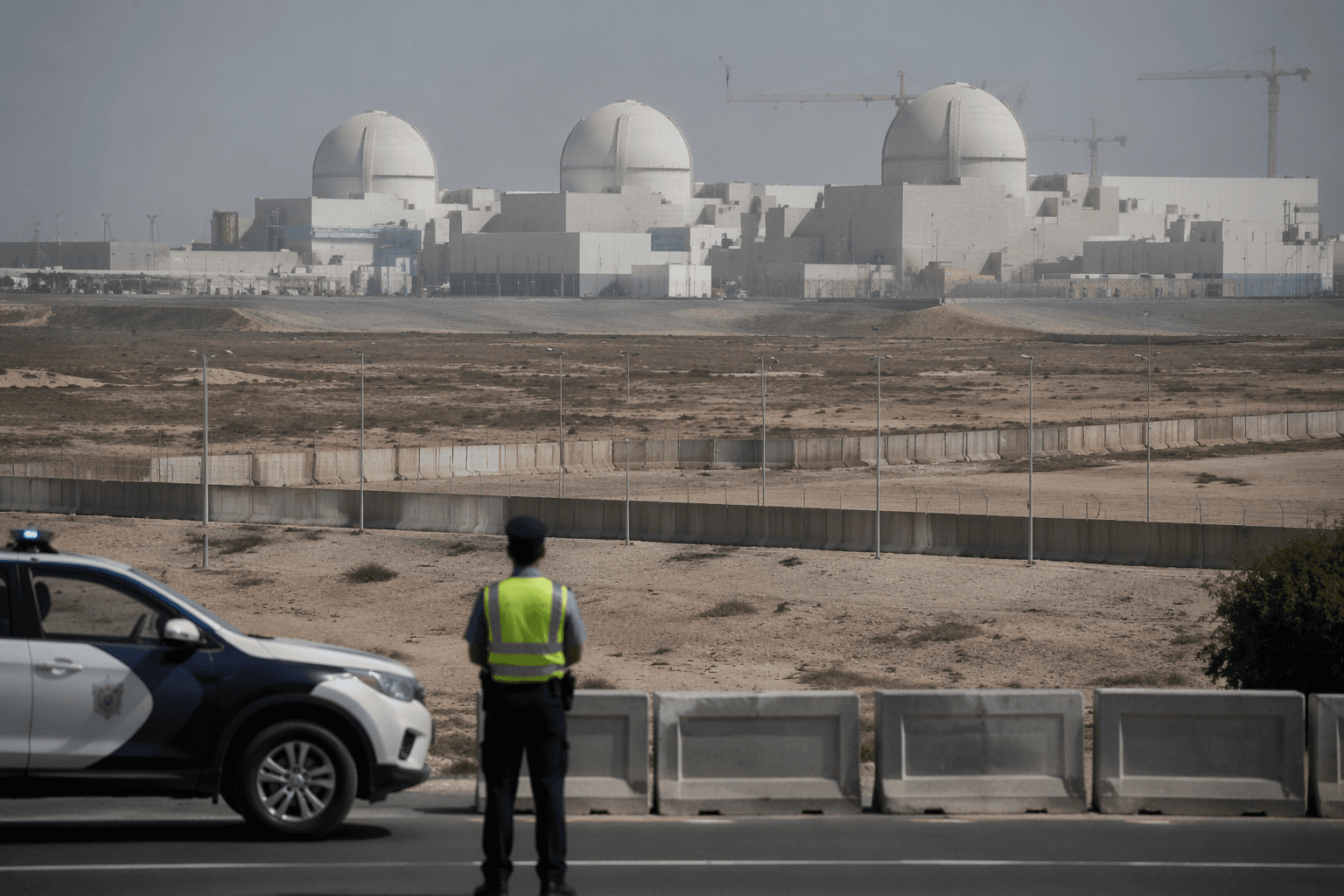
Barakah is not a small target. It is the United Arab Emirates’ first nuclear power station, a four-unit complex of APR-1400 reactors with about 5.6 GW of total capacity. The site sits in Al Dhafra, Abu Dhabi, about 53 km southwest of Al Dhannah and roughly 300 km southwest of Abu Dhabi city. Unit 1 entered commercial operation in April 2021, Unit 2 in March 2022, Unit 3 in February 2023, and Unit 4 in September 2024, turning Barakah into a fully operating multi-unit station rather than a single-reactor showcase.
That is why Grossi’s warning landed hard. He said the plant holds large quantities of fresh and spent fuel as well as reactor-core material, and a direct strike could cause a severe release of radioactivity. Even without a penetration of containment, damage to external power supply can raise the risk of core damage and force the kind of emergency steps that spread far beyond the site boundary: evacuations, sheltering, iodine distribution, long-range radiation monitoring and food restrictions.
The UAE’s mission to the United Nations called attacks on peaceful nuclear facilities a “red line,” while Reuters reported that the UAE said six drones had been launched against it from Iraq in the previous 48 hours, including one tied to the Barakah fire. The IAEA said it was still gathering information, assessing emergency preparedness and supporting first responders and competent authorities, with Grossi saying the agency stood ready to deploy safety and security experts if needed. The real scare at Barakah was not a spectacular reactor breach. It was how quickly a strike near the plant turned external power, backup diesels and regional emergency planning into the story.
Know something we missed? Have a correction or additional information?
Submit a Tip_38085.jpg&w=1920&q=75)