UK low level waste repository nears 70 years, enters final closure phase
A 1959 waste site is being capped for good, showing how Britain’s low-level waste story is really about decades of operation, not futuristic policy.
A site that turned a temporary answer into permanent infrastructure
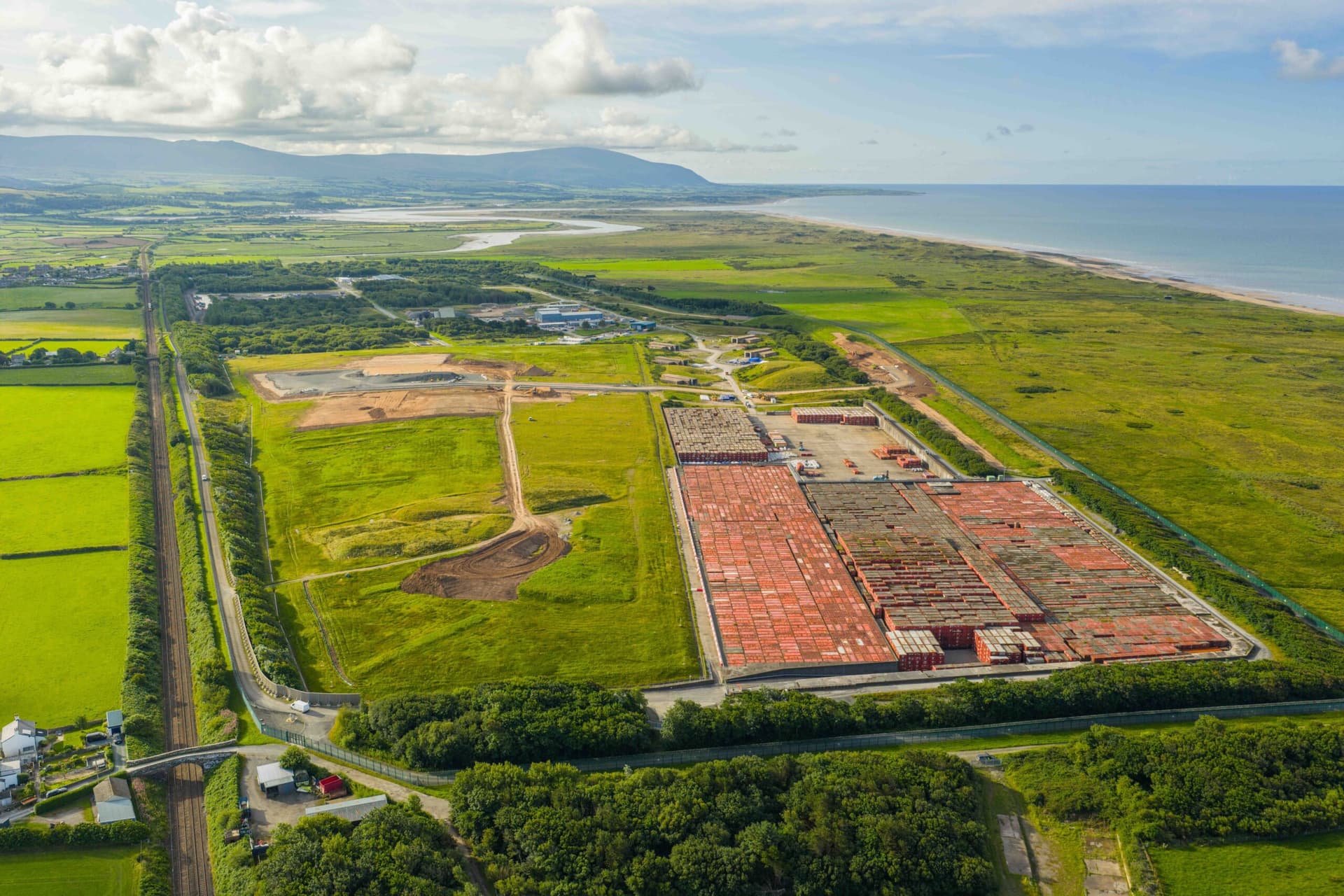
At Drigg, the nuclear cycle has a physical address. The Low Level Waste Repository in Cumbria is nearing its 70th birthday, and what started as a pragmatic disposal ground after a former Royal Ordnance Factory conversion has become one of the clearest examples of how radioactive waste management matures over time.
The facility has operated safely since 1959 and is now probably the oldest operating site of its kind in the world. That longevity matters because it shows nuclear cleanup is not just a policy debate or a future promise. It is a daily operating discipline, built on containers, vaults, caps, records, and the steady accumulation of institutional memory.
From tip-and-tumble to engineered disposal
The repository’s history is a useful lesson in how the sector has changed. Early disposal at the site relied on older trench-based methods, the kind of simple, earthworks-heavy approach that reflected an earlier era of waste management. Today, the system is far more engineered, with waste placed in steel containers, grouted, and disposed of in reinforced concrete vaults.
That shift is not cosmetic. It reflects a broader move in the UK nuclear estate toward tighter control, better containment, and a stronger emphasis on long-term safety. Vault 8 opened in 1988, Vault 9 followed in 2009, and together they show the site’s evolution from legacy trenches to a modern multi-barrier disposal system.
The repository is currently the only UK facility that can receive all categories of low level waste. It takes low-level solid waste not only from the nuclear industry, but also from the Ministry of Defence, non-nuclear industries, educational establishments, medical users, and research organizations. In other words, it is not a niche backroom for one sector. It is part of the country’s wider waste infrastructure.
Why the closure phase matters now
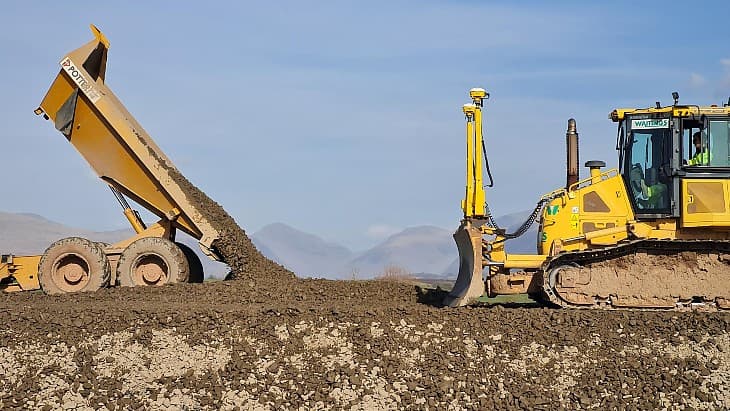
The strongest reason this story matters is that the old disposal areas are now full. Nuclear Waste Services says the legacy trenches and vaults are ready for permanent closure, and work to secure the historic parts of the site began in 2023 after the UK government announced the start of final capping.
That capping work is the visible sign of a deeper transition. A site that was once intended as a temporary disposal facility is being turned into a long-term safe endpoint for radioactive waste. The goal is straightforward but demanding: protect people and the environment for the long haul, while managing a site that has been taking waste for generations.
This is where Drigg becomes more than a local facility. It becomes a case study in what it takes to keep one piece of nuclear infrastructure operational for decades, then close it with the same level of discipline that kept it open. The closure phase is not an ending in the casual sense. It is a controlled handoff from active disposal to permanent stewardship.
How the site keeps stretching its remaining life
Even as the old trenches and vaults are being sealed, the site’s operating philosophy still leans heavily on waste reduction. Nuclear Waste Services says it uses the waste hierarchy to avoid disposal wherever possible, and that approach is not abstract. Re-use and recycling diverted 98% of waste from disposal at the repository in 2023 to 2024.
The numbers are striking because they show how much of the modern cleanup economy happens before anything reaches a disposal cell. According to the annual review, that diversion saved nearly £60 million in a single year and more than £900 million over the previous decade. It also extends the life of the remaining capacity, which is exactly what a repository like this needs as the closure of older sections speeds up.
Howard Falconer’s point about reusing material from decommissioning projects in new-build construction fits neatly into that picture. Waste is not just something to bury. In a mature cleanup system, some of it becomes a resource again, reducing pressure on the repository and making the whole chain more sustainable.
Safety, continuity, and the quiet credibility of repetition
For a facility built on the long game, reliability is the headline metric. The repository’s 2023 to 2024 annual review recorded zero major safety incidents and its 18th consecutive RoSPA Gold Award. Those are the kinds of details that tell you the site is not simply surviving on legacy status. It is being run as a serious operating plant with habits that still hold up under scrutiny.
That continuity is part of the real story here. The site has passed through changes in disposal design, changes in national policy, and changes in the kinds of waste it receives, yet it has remained central to the UK’s cleanup system. The continuity is not glamorous, but it is exactly what communities want when they live near facilities that must work for decades: stable management, predictable standards, and a clear endpoint.
The next endpoint is deeper underground
The Drigg site also points forward. The UK government says a Geological Disposal Facility is intended to be the long-term solution for the most hazardous radioactive waste, and Nuclear Waste Services says the siting process is consent-based, requiring both a suitable site and a willing host community.
That future matters, but it should not distract from the lesson at Drigg. Before a deep geological repository can become the national answer for the most hazardous material, the country still needs to keep running, maintaining, and closing the facilities it already has. The low level waste repository shows how much expertise is hidden in that middle ground between operation and final closure.
What makes the Cumbria site so important is that it has made the invisible nuclear problem visible in the most practical way possible. A former ordnance factory became a radioactive waste facility in 1959, then an engineered repository, and now a site being capped for permanent closure. That is not just history. It is the shape of nuclear responsibility, written into trenches, vaults, and the ground itself.
Know something we missed? Have a correction or additional information?
Submit a Tip_38085.jpg&w=1920&q=75)