Annual Vet Check-ups for Parrots Catch Health Issues Early
Parrots hide illness until it's critical — one annual vet visit is your frontline defense against the small problems that quietly become expensive, heartbreaking emergencies.
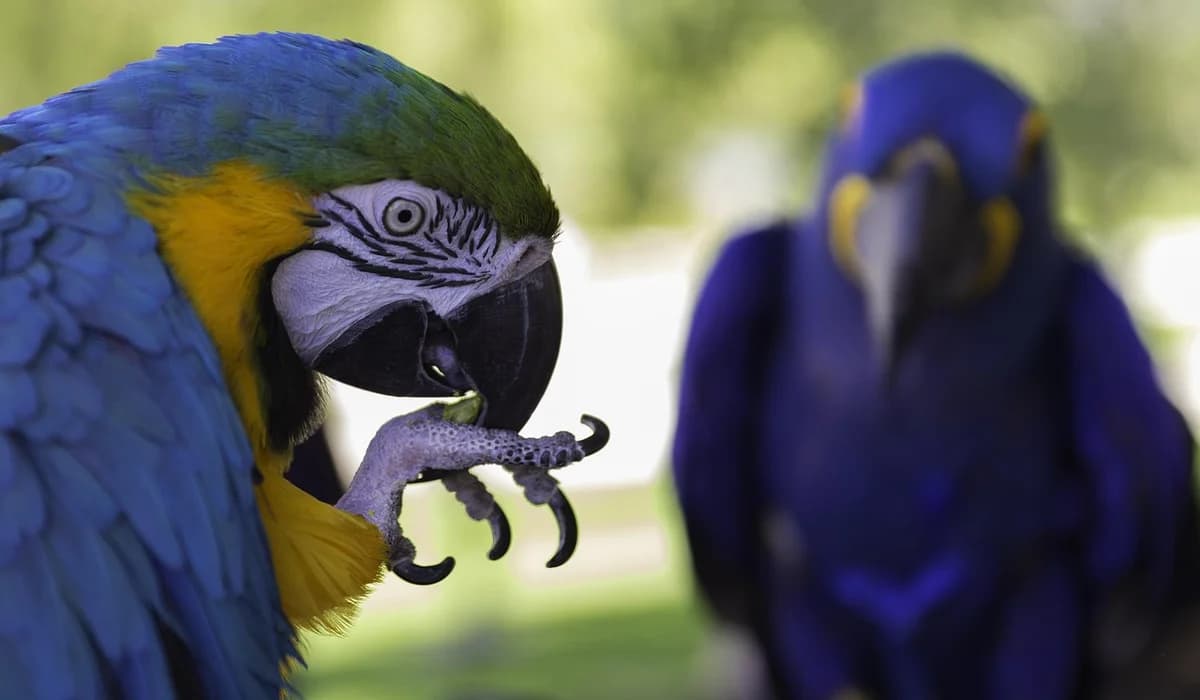
Sage, an African Grey, gets a full veterinary check-up every year without fail. Her owner, who also shares a home with Kiwi and Sunny, describes that routine as delivering "incredible peace of mind" — and that's not sentiment. It's strategy. Parrots are wired to conceal weakness, and a well-bird exam once a year is often the only tool that catches what you can't see before it turns serious.
Annual veterinary check-ups are a core preventative practice for parrots, and the case for them is straightforward: "This annual visit is your frontline defense, catching small issues before they become big, expensive problems." That framing isn't just reassuring — it's accurate. The parrot-care community talks endlessly about enrichment, diet, and socialization, and all of that matters. But none of it substitutes for a trained avian vet running hands over your bird once a year.
Why Parrots Need a Different Standard of Care
Most companion animals show distress openly. Parrots don't. Their instinct, inherited from prey species in the wild, is to mask vulnerability for as long as physiologically possible. By the time a parrot looks obviously sick, the underlying condition has often been progressing for weeks. "Parrots are masters at hiding illness, a survival instinct from the wild" — and that survival instinct works against owners who are waiting for visible symptoms before booking an appointment.
This is the core reason why annual check-ups carry such weight in responsible parrot care. The exam creates a baseline: weight, feather condition, beak and nail health, respiratory function, and behavioral notes that a vet records over time. Deviations from that baseline, invisible to even the most attentive owner, become detectable when you have documented reference points year after year.
The Once-a-Year Rule — and When to Adjust It
The standard recommendation is clear: most healthy adult parrots need a check-up once a year. That applies across the broad range of species you're likely keeping, from conures and cockatiels to larger birds like African Greys. The annual schedule is the floor, not the ceiling.
Some parrots do require a different schedule. Juveniles, seniors, birds managing chronic conditions, and species with known health predispositions may need more frequent visits. If your bird has had a previous diagnosis, is in a breeding situation, or has recently joined your flock from an unknown background, your avian vet will likely recommend a tighter check-in cadence. The key is having that conversation proactively rather than waiting for a problem to force it.
What Annual Visits Reveal
Annual vet visits often reveal hidden problems that could worsen without early detection. Many owners are genuinely surprised to learn that minor symptoms — a slight change in droppings, a subtle shift in posture, marginally reduced appetite — can signal serious health threats. The vet visit puts trained eyes and instruments on patterns that simply aren't visible from across the living room.
Respiratory and Dietary Concerns
Among the health issues most frequently uncovered during routine check-ups, respiratory and dietary concerns appear with notable regularity. Parrots in household environments are exposed to airborne irritants, temperature changes, and diet inconsistencies that accumulate over time. A bird that appears to be eating well and breathing normally may still have early-stage deficiencies or respiratory compromise that a physical exam and basic diagnostics can surface. Catching those issues at the annual visit, rather than when they've progressed to full illness, is exactly the kind of outcome preventative care is designed to produce.
Annual check-ups also provide insights into behavior changes that owners may have normalized. If Sage has been slightly less vocal over several months, it's easy to attribute that to seasonal mood variation. A vet who has tracked her baseline behavior and weight across multiple visits has a more objective lens.

Red Flags: When to Seek Immediate Vet Care
The annual schedule does not mean you wait twelve months regardless of what you observe. Some situations require same-day or emergency attention, and the stakes here are not theoretical. "Waiting even a day can be the difference between a simple treatment and a tragedy."
"You must become a detective, noticing the subtle clues that scream for a vet's attention." The warning signs worth knowing go beyond the obvious. Behavioral shifts, changes in vocalization, altered droppings, labored breathing, unusual posture such as sitting fluffed or on the cage floor, reduced interest in food, and visible changes around the eyes, nares, or feathers all warrant immediate contact with your avian vet rather than a watchful wait.
The instinct to observe for another day before calling is understandable, but it runs directly against how parrot illness works. By the time the signs are unmistakable, the margin for straightforward treatment has often narrowed considerably.
Building the Habit
The most practical thing you can do for a parrot's long-term health is treat the annual exam the same way you treat any other non-negotiable care task: it goes on the calendar and it happens. Not when something seems wrong. Not when a concern has been nagging for a few weeks. Every twelve months, on schedule.
Annual check-ups help catch issues early, provide insights into behavior changes, and support overall preventive care. Those three functions together — early detection, behavioral documentation, and systemic preventive oversight — are what make the yearly visit genuinely protective rather than purely reactive.
Finding a qualified avian veterinarian matters here. Not every general practice vet has the training or equipment to examine a parrot comprehensively. Look specifically for a vet with avian experience or board certification in avian medicine. The Association of Avian Veterinarians maintains resources to help locate practitioners, and asking within your local parrot community is often the fastest way to find someone your birds' species has been seen by before.
Early Detection as a Long-Term Investment
Catching issues early has the potential to prevent costly emergencies down the line. The financial logic is straightforward: a routine annual exam costs a fraction of what emergency diagnostics and treatment typically run. But the more important math involves your bird's lifespan and quality of life. Parrots, particularly larger species like African Greys, live for decades. The compounding value of consistent preventative care over that time span is enormous.
Sage's annual check-up schedule is a small, recurring commitment that pays off in predictability, early intervention, and the confidence of knowing that what you can't see isn't being left unmonitored. For any parrot sharing your home, that annual appointment is the single most reliable investment in keeping them healthy for the long run.
Know something we missed? Have a correction or additional information?
Submit a Tip
