Australia weighs live parrot imports amid wildlife disease warnings
Australia’s live-parrot debate now sits between pet-bird demand and a fast-moving bird flu threat, with native parrots and quarantine rules at the center.

Australia’s live-parrot debate has turned into a test of how much risk the country is willing to accept inside the aviary and beyond it. A 2023 proposal from the Department of Climate Change, Energy, the Environment and Water would delete unassessed psittacine bird specimens from the Live Import List, and under that rule, anything not on the list cannot be imported.
That matters because Australia still keeps pet bird imports tightly boxed in. The Department of Agriculture, Fisheries and Forestry says some pet psittacine birds can come in from New Zealand, but not from other countries, and any permitted import still faces biosecurity and quarantine conditions. Supporters of tighter rules say that is the only defensible line while the science catches up. Wildlife Health Australia backed removing unassessed parrots from the Live Import List until further assessment is complete, calling it an appropriate risk-mitigation step.
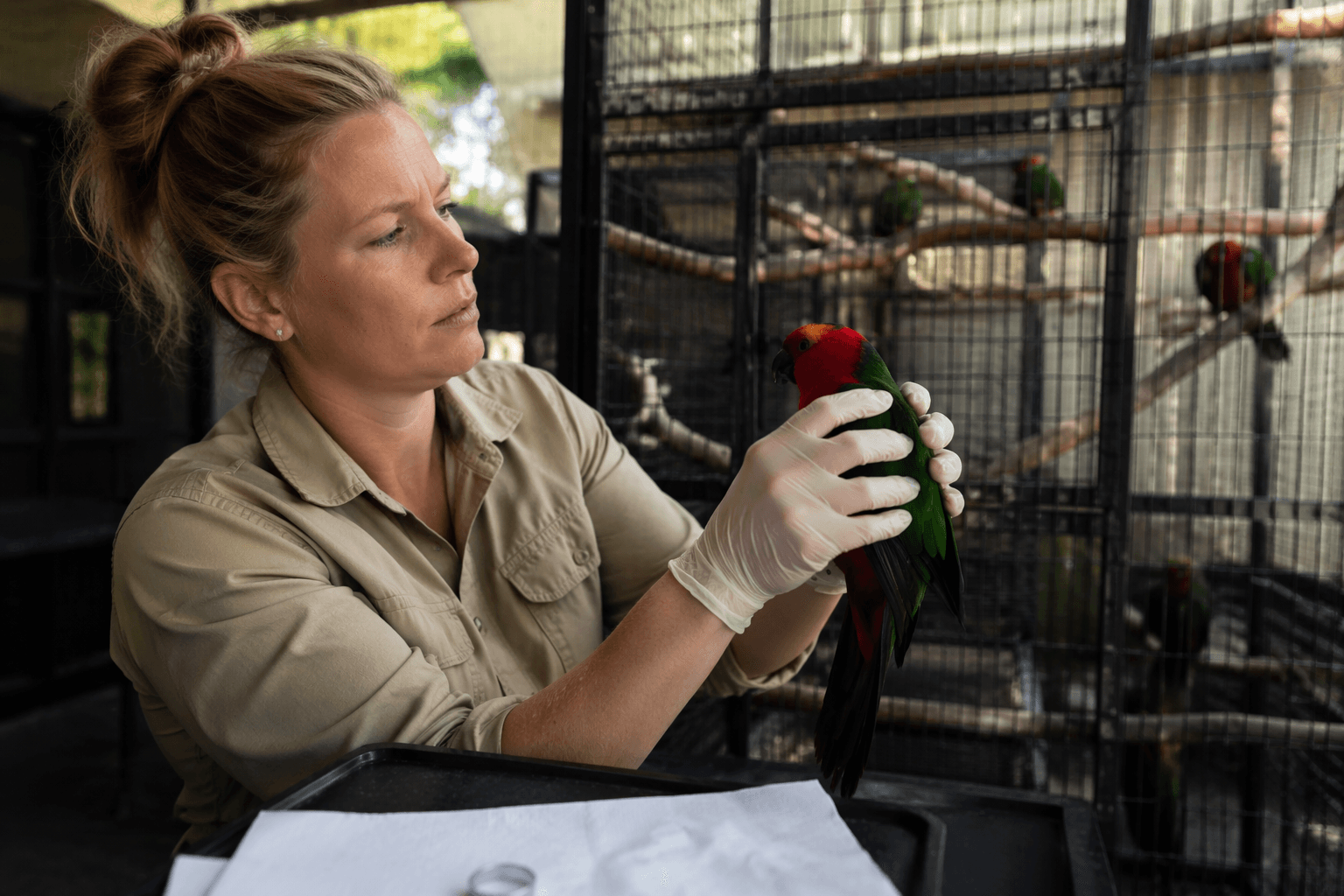
The conservation stakes are unusually high in Australia, where parrots are not just pets and aviary staples but part of the wild identity of the continent. The Invasive Species Council says Australia has 56 parrot species, and 51 of them live nowhere else. Among them are the critically endangered orange-bellied parrot and the swift parrot, both species that already sit under intense pressure from habitat loss and other threats.
Now bird flu has pushed the argument from abstract to immediate. DAFF confirmed Australia’s first detections of H5 high-pathogenicity avian influenza in June 2026, and in July 2026 the virus was confirmed in an Australian seabird, a greater crested tern, for the first time. The federal environment department has warned that H5 avian influenza could drive long-term population setbacks for native species and even push some toward extinction. The Australian Government says it is putting more than $47 million into preparing at-risk native species for H5.
On the other side, the Canary and Cage Bird Federation of Australia has argued for a regulated import regime that still protects biosecurity and biodiversity while remaining economically viable and helping deter smuggling. That position reflects a real pressure point in the pet-bird world: breeders and owners want legal, traceable pathways, while conservation and animal-health experts want a system tight enough to keep disease from landing in companion parrots, breeding collections and the wild. For now, Australia is weighing whether the cleanest safeguard is to keep the door shut on unassessed parrots rather than trust that quarantine alone can hold the line.
This article was produced by Prism’s automated news system from verified source data, official records, and press releases, then run through automated quality and moderation checks before publishing. The system is built and supervised by the people who set the standards it runs under. Read our full AI policy.
Did this article answer your question?