BirdTricks guide says parrot care starts with diet, safety, and stimulation
Smaller parrots are not easy pets. BirdTricks’ care guide says every parrot still needs the same four basics: smart diet, safe housing, daily stimulation, and vet care.
Small parrots are not low-maintenance just because they are small
A parrotlet, a cockatiel, and a macaw may look like very different pets, but BirdTricks makes the same blunt point about all of them: the care equation does not change. The bird’s body size changes, the cage size changes, and the noise level may change, but the fundamentals stay the same, and that is exactly where many new owners get tripped up.
The guide’s message is useful because it pushes back on one of the most persistent myths in parrot keeping, that smaller parrots are somehow easier. In reality, a smaller bird still depends on the same core welfare pillars as a larger one: nutritious food, a safe and functional home, enough stimulation and human companionship, and regular veterinary oversight.
Diet sets the baseline for everything else
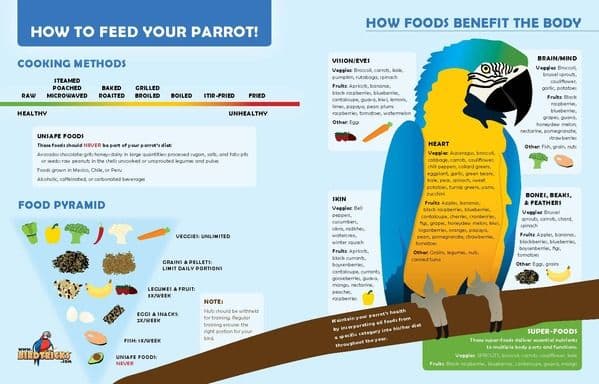
BirdTricks is most forceful on food, and for good reason. The Association of Avian Veterinarians says companion parrots should be fed predominantly a high-quality formulated diet, usually pellets, along with vegetables, fruits, whole grains, and only limited seeds and nuts. That approach matters because the AAV also warns that all-seed and seed-and-nut diets are not nutritionally complete and balanced.
The risks are not abstract. According to the AAV, those diets are high in fat and calories and can predispose birds to vitamin and mineral deficiencies, obesity, immunosuppression, ill health, and shortened life expectancy. BirdTricks draws the same line from food to outcome, arguing that nutrition-related disease is one of the most common reasons companion birds get sick or die young.
That is why “eating” is not the same thing as “being well fed.” A bird that fills up on seed may still be undernourished, and the damage can show up later in body condition, immune function, and behavior. Veterinary guidance also notes that avian clinicians see obesity and metabolic bone disease in birds on fresh-food diets that are not properly balanced, which is another reminder that a parrot diet has to be planned, not improvised.
Behavior often tells you the bird is unwell
One of the smartest parts of modern parrot care is learning not to separate behavior from health. BirdTricks notes that birds that feel unwell may become difficult, unhappy, or uncooperative, and avian veterinary sources back that up. In birds, illness often appears first as nonspecific changes such as lethargy, anorexia, fluffed feathers, aggression, or anxiety, not as a dramatic sign that is easy to spot from across the room.
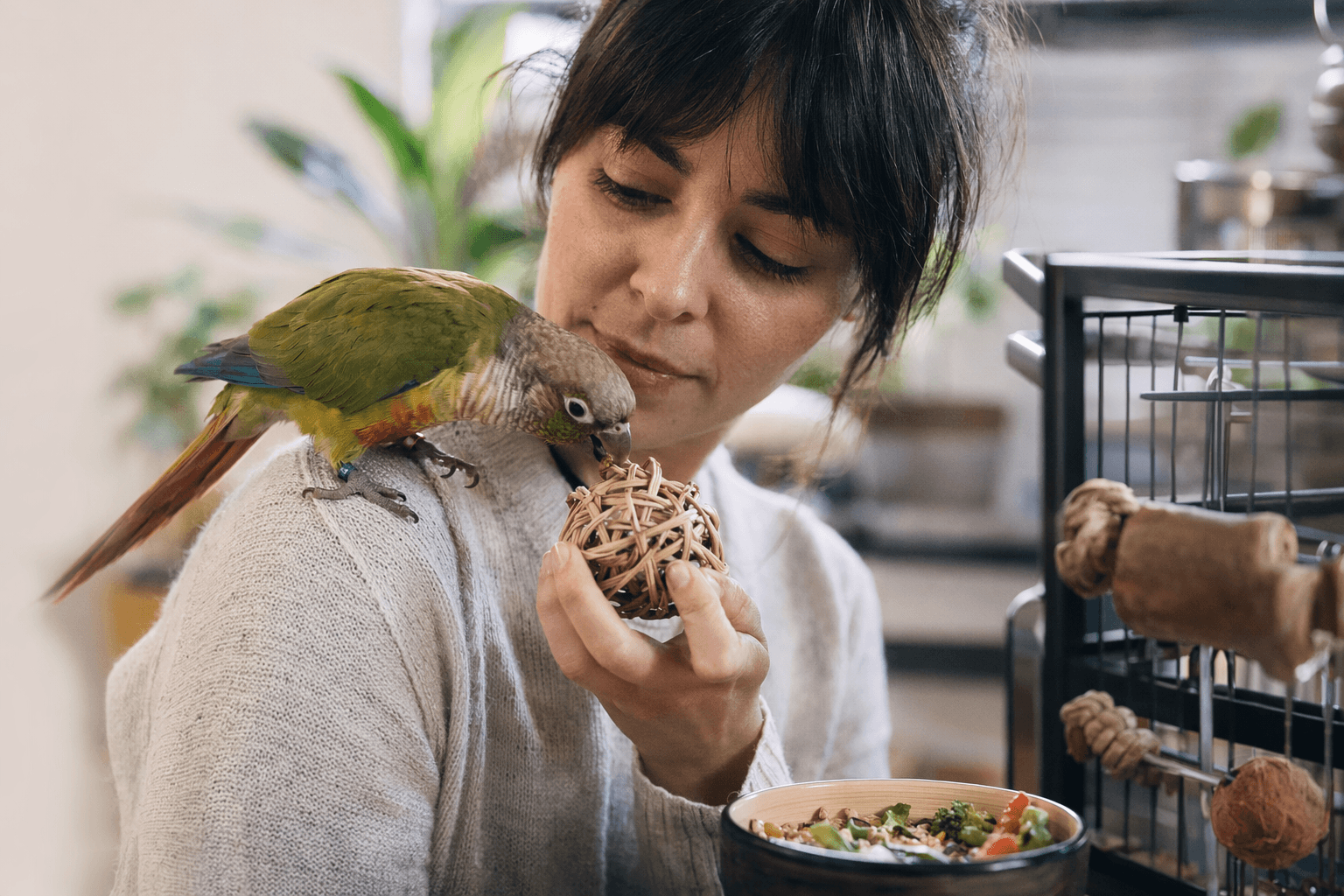
That matters because owners often mistake a medical problem for a personality issue. A bird that is suddenly snapping, hiding, or refusing interaction may not be “acting out” at all. It may be telling you that the setup is wrong, the diet is off, or something deeper is going on.
This is also where the history of companion parrots helps explain the modern standard of care. The Merck Veterinary Manual notes that mass importation of wild-caught psittacine birds was curtailed in the mid-1980s, and most pet parrots today are captive-bred. That shift helped redefine parrot care around long-term welfare, not just keeping a bird alive in a cage.
A cage has to fit the bird, not just contain it
BirdTricks treats housing as a safety system, not a decorative accessory. The cage should be sturdy, correctly sized for the species, and built with bar spacing that prevents injury. If the spacing is wrong, a bird can escape, get trapped, or hurt itself trying to move through the bars.
This is one of the clearest places where small-bird care gets underestimated. A cage that looks “fine” to the eye may still be dangerous if the bars are too wide for a smaller parrot or too tight for a larger bird that needs room to climb and move. Good housing should support movement, play, and security, not just lock the door.
The long-term point matters too. Parrots are not short-term pets. Some species live for many years or even decades, which means the cage is part of a long-range welfare plan, not a temporary holding space. A setup that works for a young bird now still has to make sense when the bird is older, wiser, and more set in its habits.
Stimulation and companionship are not optional extras
BirdTricks also keeps human interaction in the center of the picture. Parrots need stimulation and companionship to stay healthy over time, and that need is just as real as food or housing. A bird with nothing to do, no routine, and too little social contact is far more likely to become stressed, loud, destructive, or withdrawn.
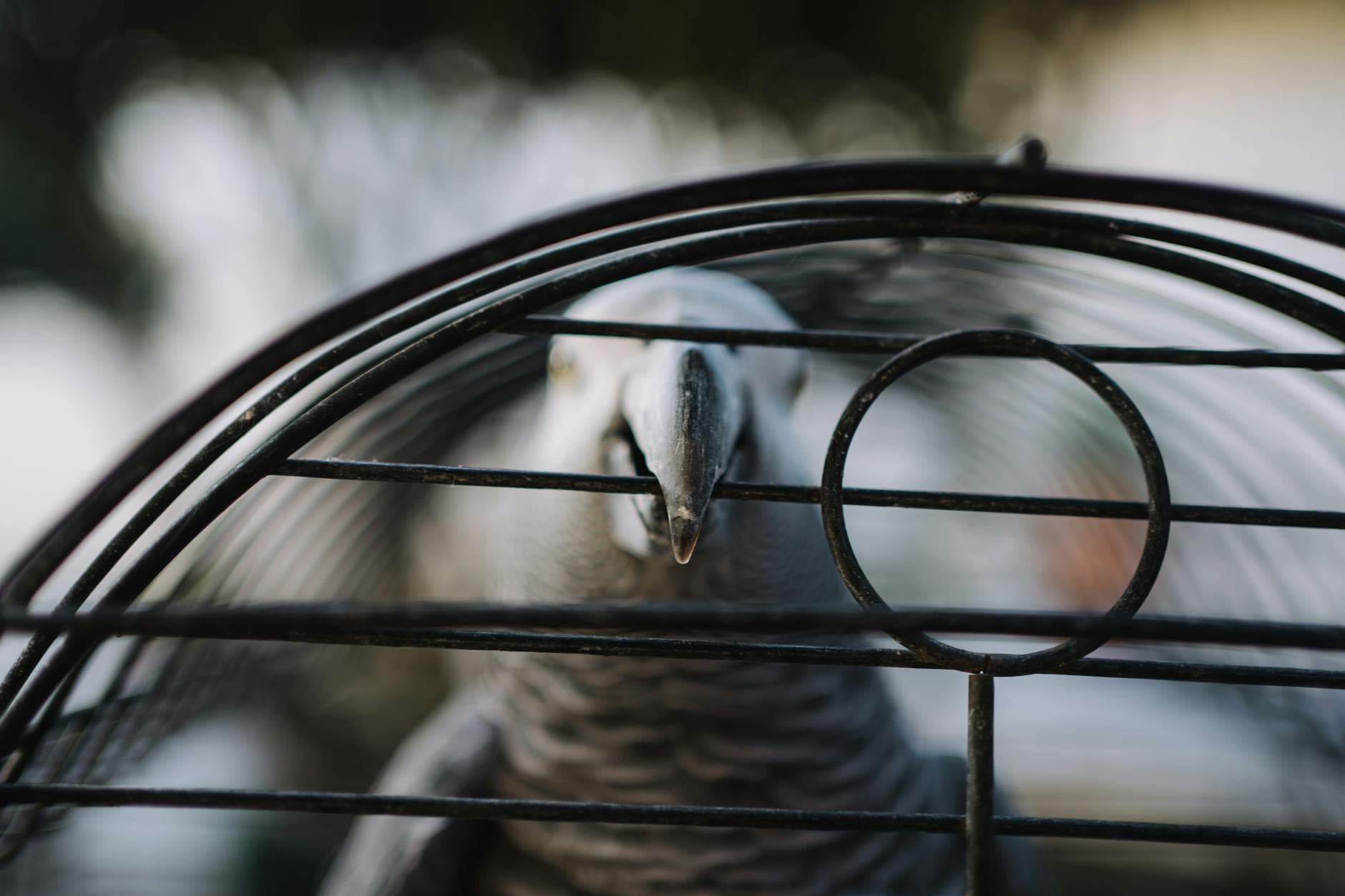
That is why the guide’s logic is so practical: enrichment is not a luxury item after the “real” care is done. It is part of the care. Toys, social contact, predictable routines, and time outside the cage all help birds use their brains and bodies in ways that support long-term wellbeing.
Cleanliness and veterinary care catch problems early
BirdTricks also calls out cleaning as a direct health issue. Regular cleaning of cage papers, dishes, perches, and toys helps reduce bacterial and yeast problems, while frequent liner changes cut down dust, dander, waste particles, and pests in the air. That kind of daily upkeep may feel basic, but in bird care it is one of the easiest ways to lower risk.
Veterinary care belongs in the same category. VCA Animal Hospitals says pet birds should have routine annual veterinary examinations, and new birds should be seen by an avian veterinarian within the first couple of days after purchase or adoption. That advice fits the broader avian-welfare view that prevention works better than waiting for a bird to show obvious distress, especially when birds can be ill for a while before symptoms become clear.
A quick checklist for your setup
- Diet: predominantly formulated food, with vegetables, fruits, whole grains, and limited seeds and nuts
- Cage: sturdy, species-appropriate, and matched to correct bar spacing
- Hygiene: clean papers, bowls, perches, and toys on a regular schedule
- Enrichment: toys, interaction, and daily stimulation that keep the bird engaged
- Health: annual avian vet exams, plus an early exam for any new bird
- Observation: watch for lethargy, appetite loss, fluffed feathers, aggression, or anxiety
When a small parrot starts acting “easy,” quiet, or manageable, that is usually the moment to look twice, not relax. BirdTricks’ point is simple and worth repeating: whether the bird is a parrotlet or a macaw, the same care standards apply, and the birds that thrive are the ones whose daily setup treats those standards as nonnegotiable.
This article was produced by Prism’s automated news system from verified source data, official records, and press releases, then run through automated quality and moderation checks before publishing. The system is built and supervised by the people who set the standards it runs under. Read our full AI policy.
Did this article answer your question?