Bumper rimu berry harvest triggers rare breeding season for kākāpō
A mega-mast of rimu berries has triggered kākāpō to breed for the first time since 2022, with conservation teams hoping for a record number of chicks in February.
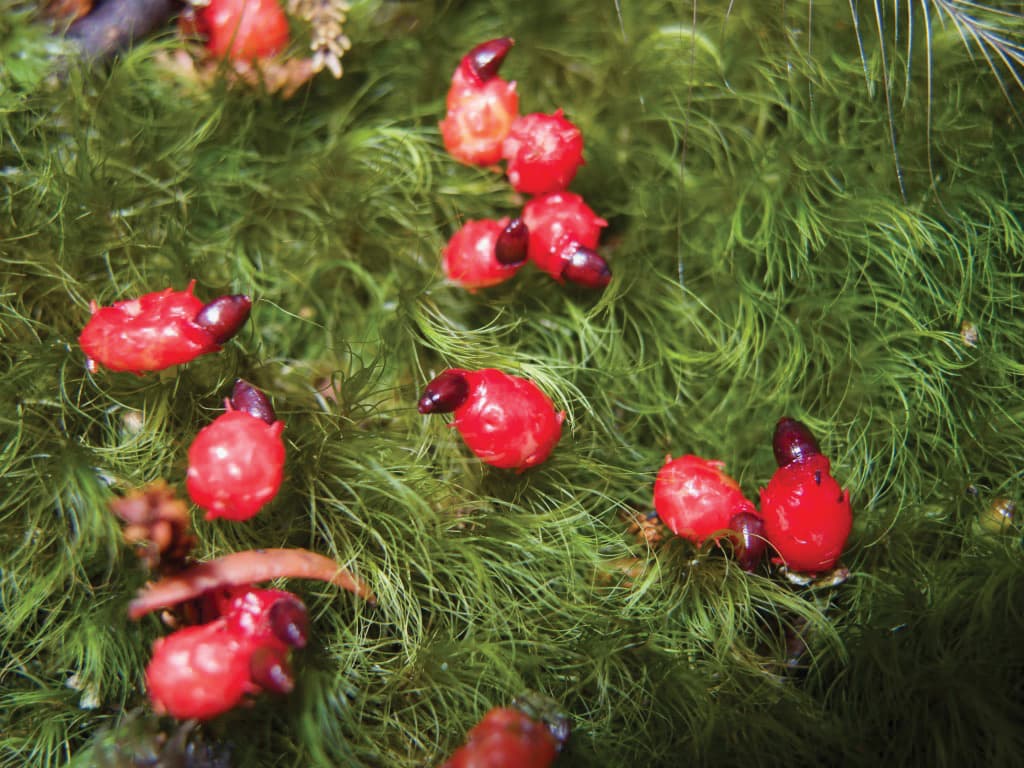
A bumper berry harvest from native rimu trees has set off a rare kākāpō breeding season, the first since 2022, and conservation teams are hoping the mega-mast will produce a record number of chicks in February. The species is the world’s only flightless, nocturnal parrot and the rimu crop provides the extra nutrition females need to raise young.
The recovery effort that moved kākāpō from the brink is long running: a programme established in 1995 rebuilt the population from 51 to 236 birds, including 83 breeding-age females. Other accounts put the rebound more broadly as coaxing the population from about 50 to more than 200 over three decades. Kākāpō can weigh up to 4kg and are thought to live between 60 and 80 years, but their decline after the introduction of predators such as cats and stoats left them nearly extinct by the 1900s.
Breeding remains tightly linked to rimu mast cycles. A breeding season only happens every two to four years in response to bumper crops of rimu berries, which last occurred in 2022. Deidre Vercoe, the Department of Conservation’s operations manager for kākāpō recovery, said, “They’re probably up there in the canopy assessing the fruiting,” and added, “When there’s a large crop developing, they somehow tune into that.” The rimu berries provide the large food resource conservationists say is needed for chicks to survive.
The mating ritual stays as strange as it sounds. Male kākāpō position themselves in dug-out bowls in the ground and “emit sonorous booming sounds followed by noises known as ‘chings,’ which sound like the movement of rusty bedsprings.” The deep booms, which on clear nights can be heard across the forest, attract female kākāpō to the bowls. Females can lay up to four eggs and then raise chicks alone, underscoring why abundant food is critical.
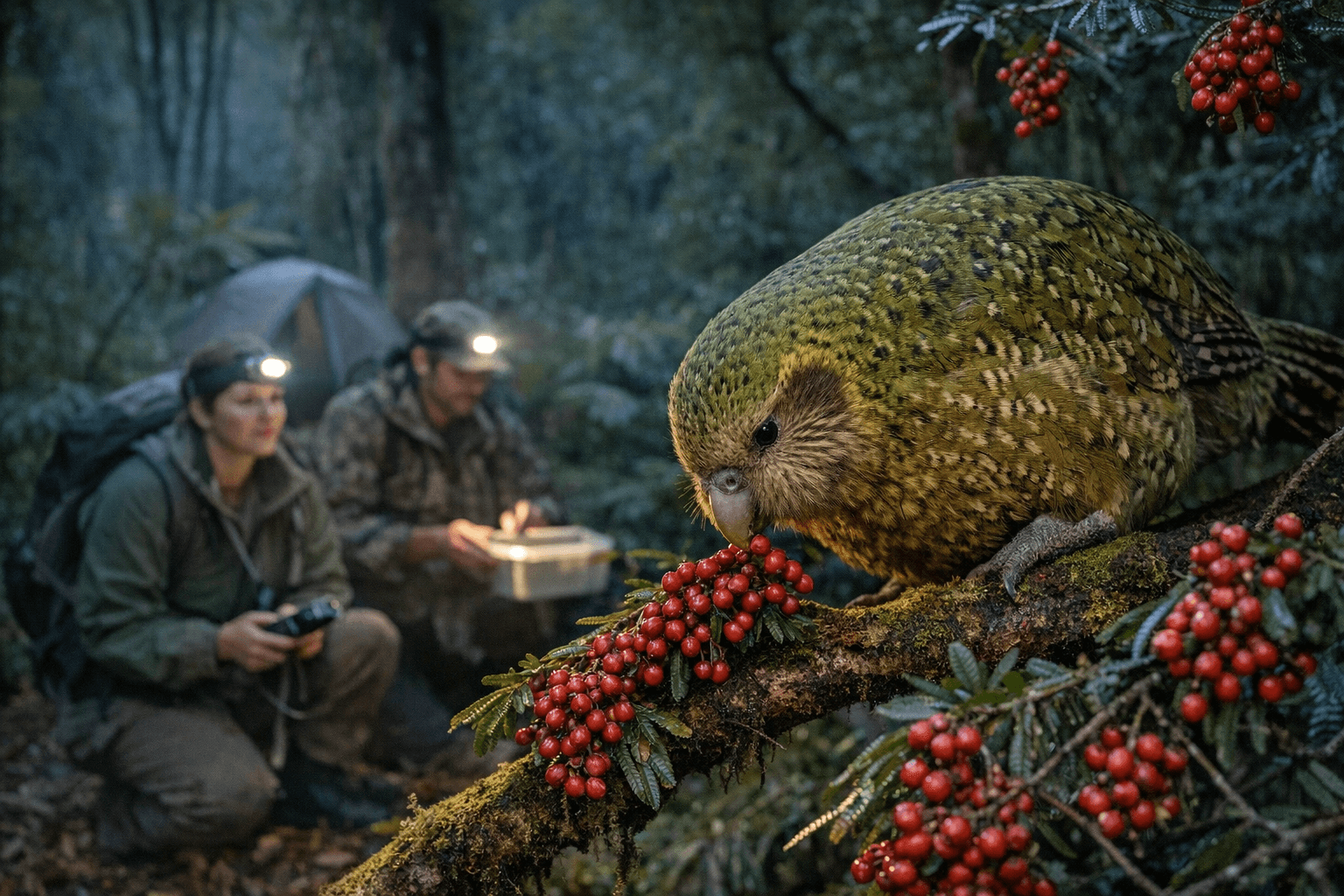
This season has already drawn close public attention. Since January a livestream has shown an underground nest of a 23-year-old kākāpō named Rakiura on Whenua Hou; Rakiura laid three eggs, two of them fertile. “So precarious is the species’ survival that the eggs were exchanged for fake replacements while the real ones were incubated indoors,” conservation teams carried out, removing eggs for indoor incubation to protect them. An AP photo provided by the Department of Conservation shows kākōpo Kohengi sitting with her three eggs on Anchor Island, Pukenui, on Feb. 3, 2026 (credit AP/Andrew Digby).
Teams continue intensive interventions across the three tiny, remote islands that now host kākāpō. With the rimu mega-mast under way and named birds like Rakiura and Kohengi under close watch, recovery staff hope this breeding season will push the critically endangered parrots closer to defying what was not long ago believed to be certain extinction. The February chick counts will show how far the bumper crop has taken them.
Know something we missed? Have a correction or additional information?
Submit a Tip
