Cuban biologist: Illegal bird trafficking now bigger threat than climate change
A Cuban biologist warned that illegal trapping and trafficking now threatens the island's birds more than climate change, a shift that endangers endemic and migratory species.
Hiram Gonzalez Alonso, PhD, a biologist at the Cuban Institute of Biodiversity with five decades of experience, warned that "the illegal capture of birds now poses a greater threat to the nation's avifauna than climate change." His assessment follows a CITMA census showing the geographic reach of trapping rose from 98 locations in 2021 to 199 locations in the last quarter of 2025, a pattern Gonzalez Alonso described as a move from cultural practice to large-scale commerce.
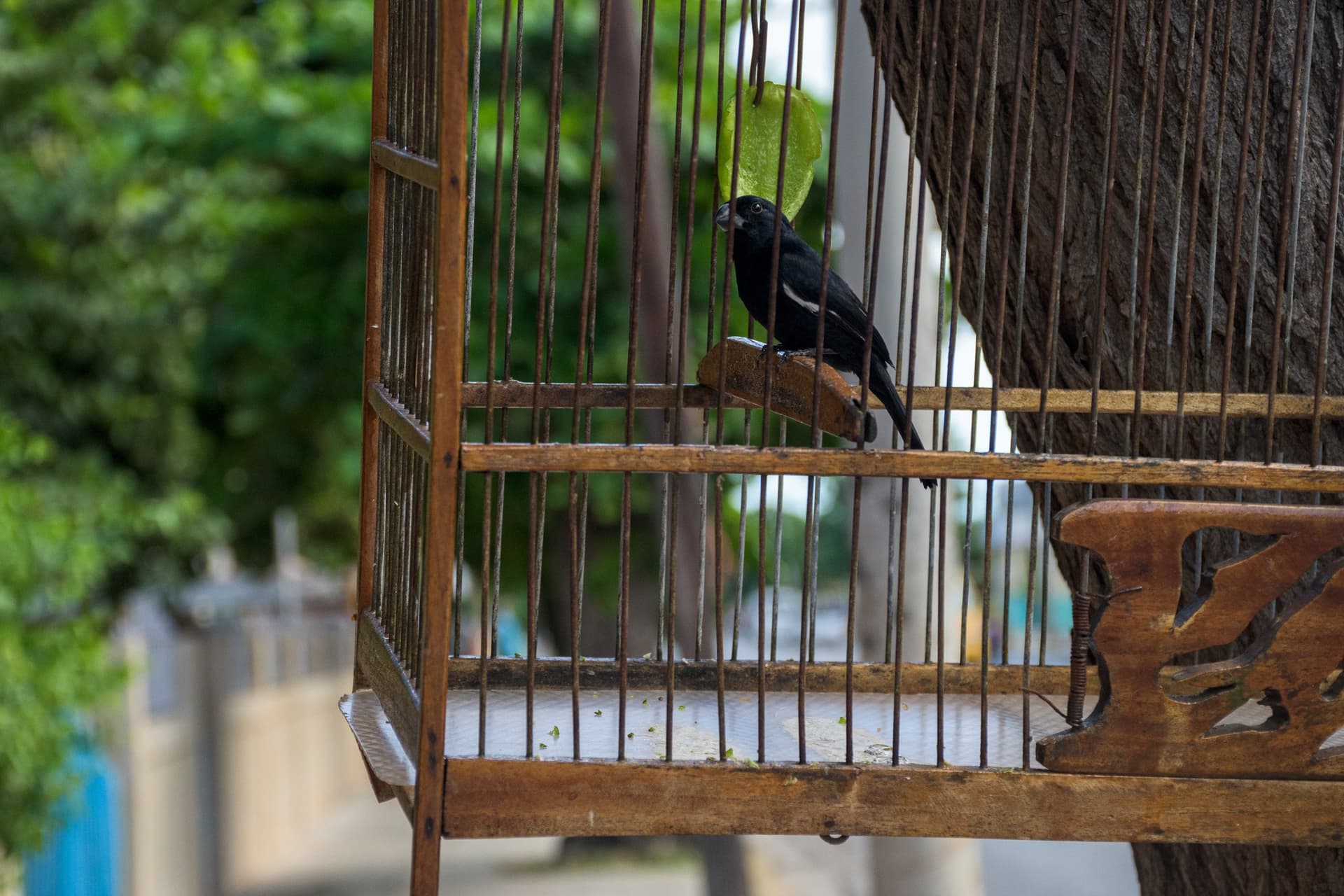
Gonzalez Alonso named Cuban parrot, Cuban parakeet, Cuban grassquit, and Cuban blackbird among species suffering from the trade and said "the activity has evolved from a cultural tradition into a massive commercial business, with a severe impact on endemic and migratory species." He also emphasized that not all pet birds are part of the problem, noting that "species such as canaries, goldfinches, and budgerigars have historically been bred in captivity and do not pose a threat to Cuban biodiversity."
Trappers exploit seasonal movements and local vulnerabilities. Conservation groups report intense activity during autumn migration - September, October and November - with a peak in mid-October when exhausted flocks make easy targets. BirdsCaribbean warns that trappers turn up "loaded with cages, lures, lyres, and mist nets," using lyre traps spread with glue and other abrasive methods that often kill or maim birds. The practice also includes felling trees and palms where birds nest, damaging habitat as well as individual populations.
Demand has gone beyond local markets. BirdsCaribbean reports: "With the rise in social media, the selling of wild birds has expanded dramatically online (via Facebook and WhatsApp), with trappers able to market their birds to a much larger audience. It has also taken a more sinister turn, becoming a part of the deadly but highly profitable global wildlife trade." Price incentives are high; examples from Miami markets put values at around $500 for a Cuban Bullfinch or a Cuban Grassquit, and Audubon sources describe a smuggling network moving birds to Florida by concealing them on people.
Historical enforcement shows the trade's persistence. Operation Bunting had "netted six bird dealers and three pet stores illegally selling protected species" by 2006. In 2012 a traveler was found with 16 Cuban Bullfinches sewn into his pants, and later seizures included dozens of migratory birds from private estates. Watts-FitzGerald of Audubon says bluntly: "There’s an entire local network of people who go and come from Cuba, smuggling birds in their clothes, strapped to their legs, or, very commonly, in their underwear. They make it into this subculture that meets at places around Florida."
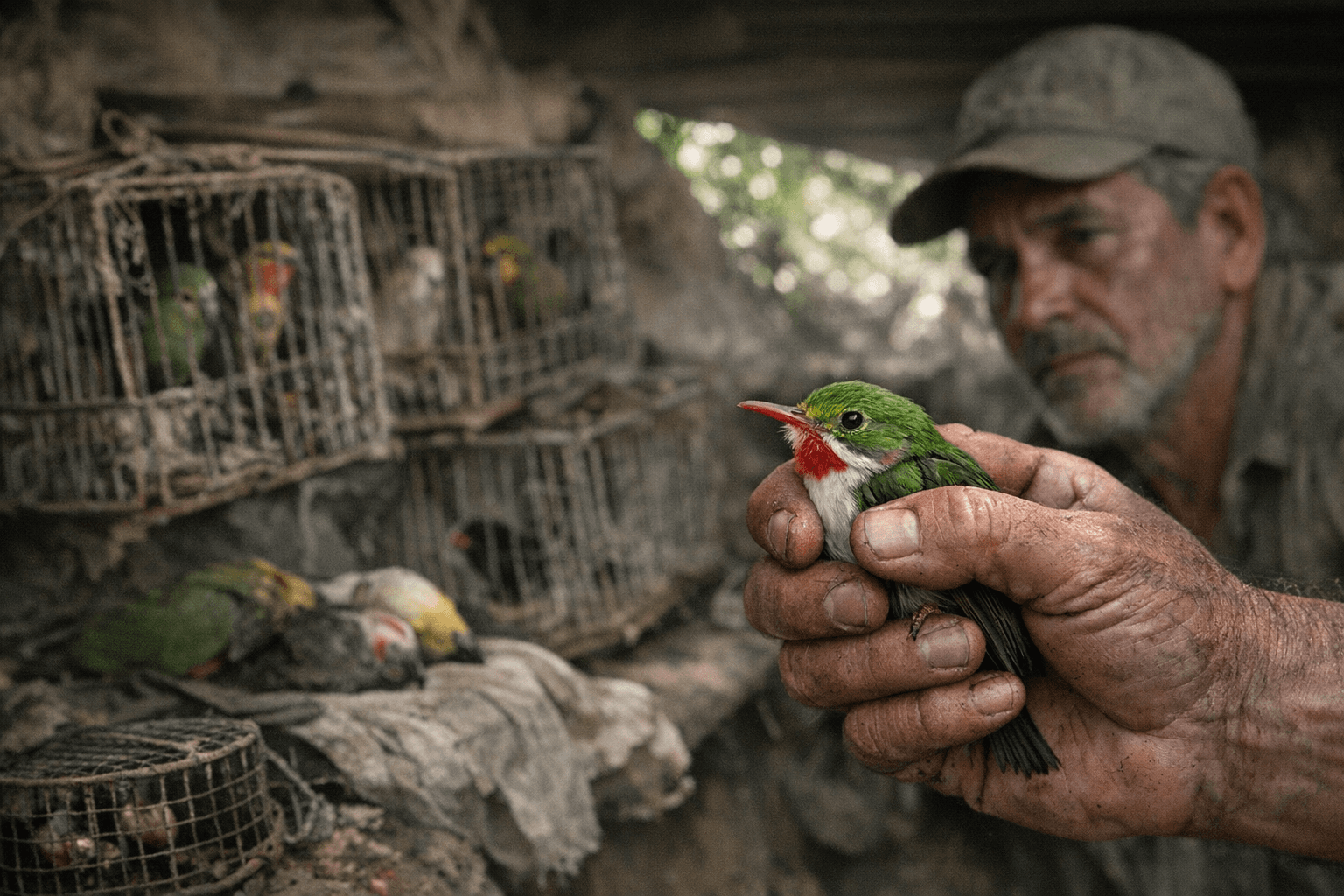
CITMA and Gonzalez Alonso call for stepped-up enforcement and public engagement, urging authorities to "rigorously enforce the law, strengthen environmental education in the media, facilitate channels for citizen reporting, and halt international trafficking in coordination with the General Customs Office of the Republic." As a practical alternative, he recommended "promoting birdwatching tourism, an activity that already generates employment in local communities and contributes to conservation."
Conservation groups are already training customs officers and circulating an identification guide titled "Aves Silvestres más capturadas ilegalmente en Cuba: Guía de identificación," while community campaigns have produced artwork, t-shirts, brochures and a television documentary to reduce demand. Petchary notes that "Some of these birds are categorized as Threatened by the International Union for the Conservation of Nature (IUCN)," underlining the wider conservation stakes.
For caretakers, breeders and birdwatchers, the immediate takeaway is to push for the practical measures Gonzalez Alonso outlines: better enforcement, clearer reporting channels, and growth of legal birdwatching income for communities. If those pieces fall into place, Cuba’s parrots, parakeets and songbirds may stand a better chance against both illegal trade and the broader pressures of habitat loss and climate change.
This article was produced by Prism’s automated news system from verified source data, official records, and press releases, then run through automated quality and moderation checks before publishing. The system is built and supervised by the people who set the standards it runs under. Read our full AI policy.
Did this article answer your question?