Everyday Parrot Care: Dos, Don'ts, and Stepwise Behavior Troubleshooting
Lafeber's webinar with Laura Doering and Lisa Bono, CPBC, gave practical do's and don'ts for everyday parrot care and a stepwise plan to troubleshoot screaming, biting, and feather picking.
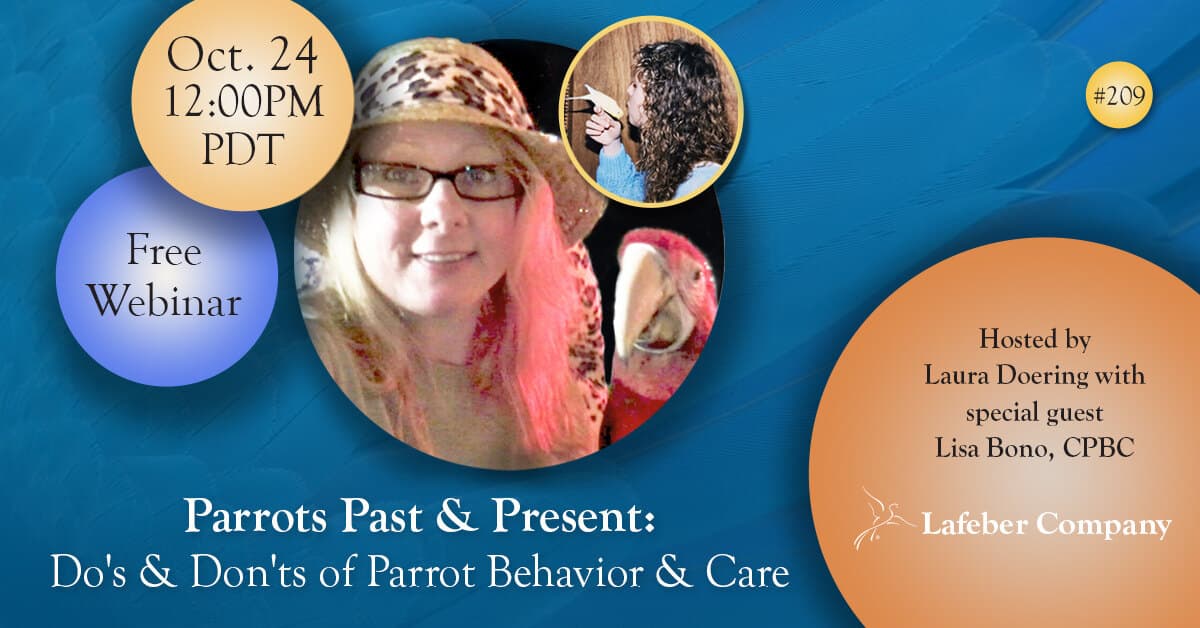
Lafeber's Parrots, Past & Present series presented a focused, practical primer for everyday parrot care on January 24, 2026. Host Laura Doering interviewed Lisa Bono, CPBC, who laid out clear do's and don'ts and a stepwise troubleshooting workflow that matters for owners managing vocalization, feather picking, and aggression.
Bono prioritized prevention through husbandry. Top don'ts included avoiding punishment-based techniques, not reinforcing screaming through inconsistent reactions, and keeping unsafe materials such as loose netting or small detachable parts out of reach. Practical do's centered on structured daily enrichment, safe foraging design, consistent schedules and boundaries, and cross-checking diet when behavior changes appear.
The core message used a stepwise approach to behavior problems. Start with environment and nutrition checks before moving to formal behavior modification or veterinary interventions. Owners should audit cage layout, perch placement, toy rotation, foraging opportunities, and recent diet changes. If initial husbandry adjustments do not change the behavior, escalate to systematic behavior plans and consult a certified parrot behavior consultant early for persistent or risky problems.
Illustrative case examples showed modest husbandry fixes producing measurable benefits. In one case, increasing foraging complexity and altering perch spacing reduced screaming episodes and increased active feeding time. In another, diet enrichment and a single perch change reduced feather picking frequency. Those stories underline that small, targeted changes often yield faster results than broad punitive responses.
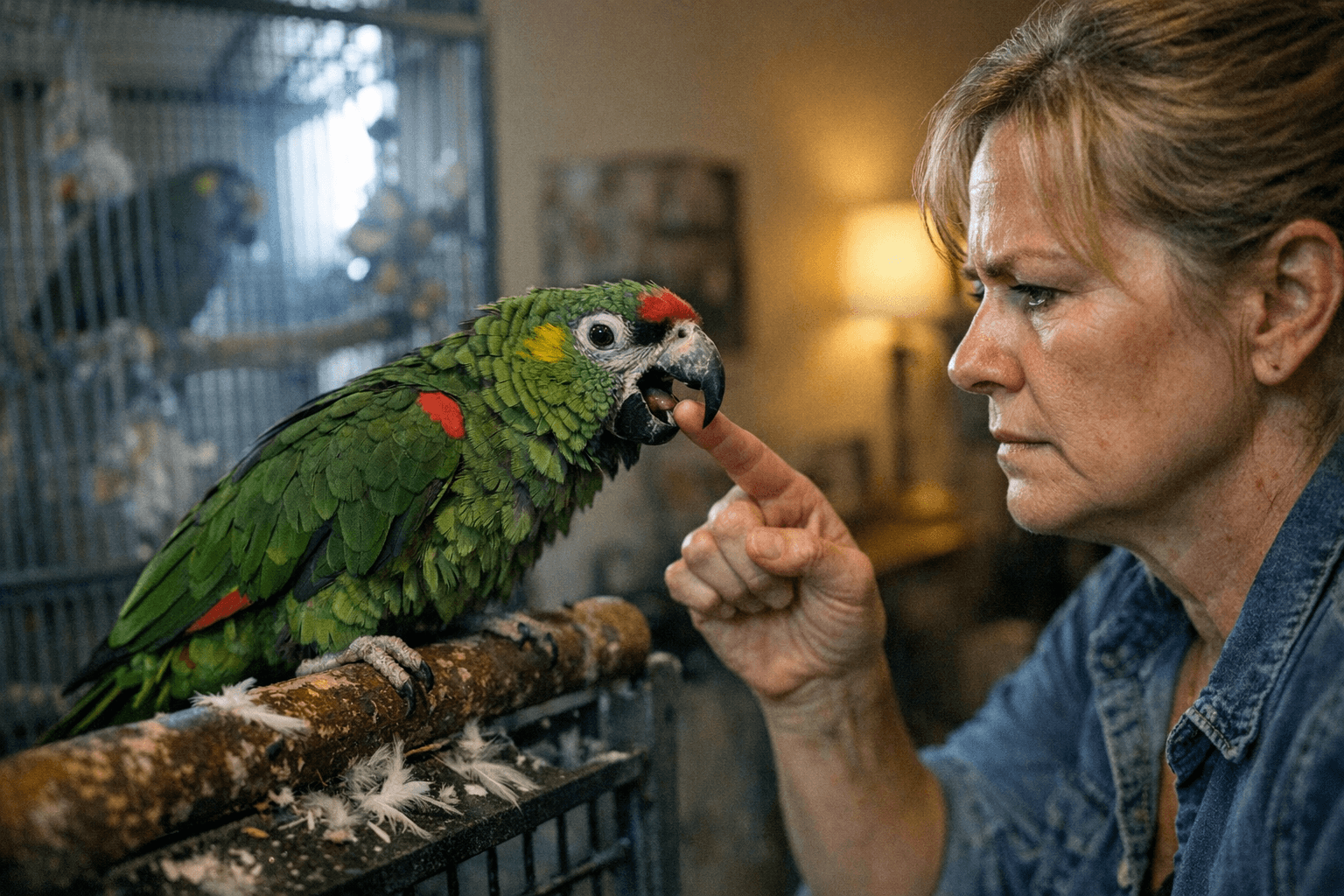
For owners preparing for deeper intervention, Bono emphasized practical documentation for avian vet visits. Bring clear photos, a detailed diet log, and videos of the problematic behavior to speed diagnosis and rule out medical causes. Seek professionals credentialed in parrot behavior - look for CPBC certification when choosing a consultant - and engage an avian veterinarian if behaviors are severe, chronic, or accompanied by physical signs.
This webinar reinforced that daily routine, enrichment that mimics natural foraging, and nutrition checks are first-line tools in every parrot keeper's toolkit. By prioritizing environment and diet, using positive reinforcement, and documenting changes, owners can resolve many issues at home and know when to bring in a CPBC or avian vet. That approach turns overwhelming problems into stepwise tasks you can tackle one perch at a time.
This article was produced by Prism’s automated news system from verified source data, official records, and press releases, then run through automated quality and moderation checks before publishing. The system is built and supervised by the people who set the standards it runs under. Read our full AI policy.
Did this article answer your question?