FIU Unveils Tools to Detect Illegal Parrot Trafficking, Citing Case Evidence
FIU unveils rapid species identification for international ports and community protection tools, calling parrots among the most heavily trafficked birds.
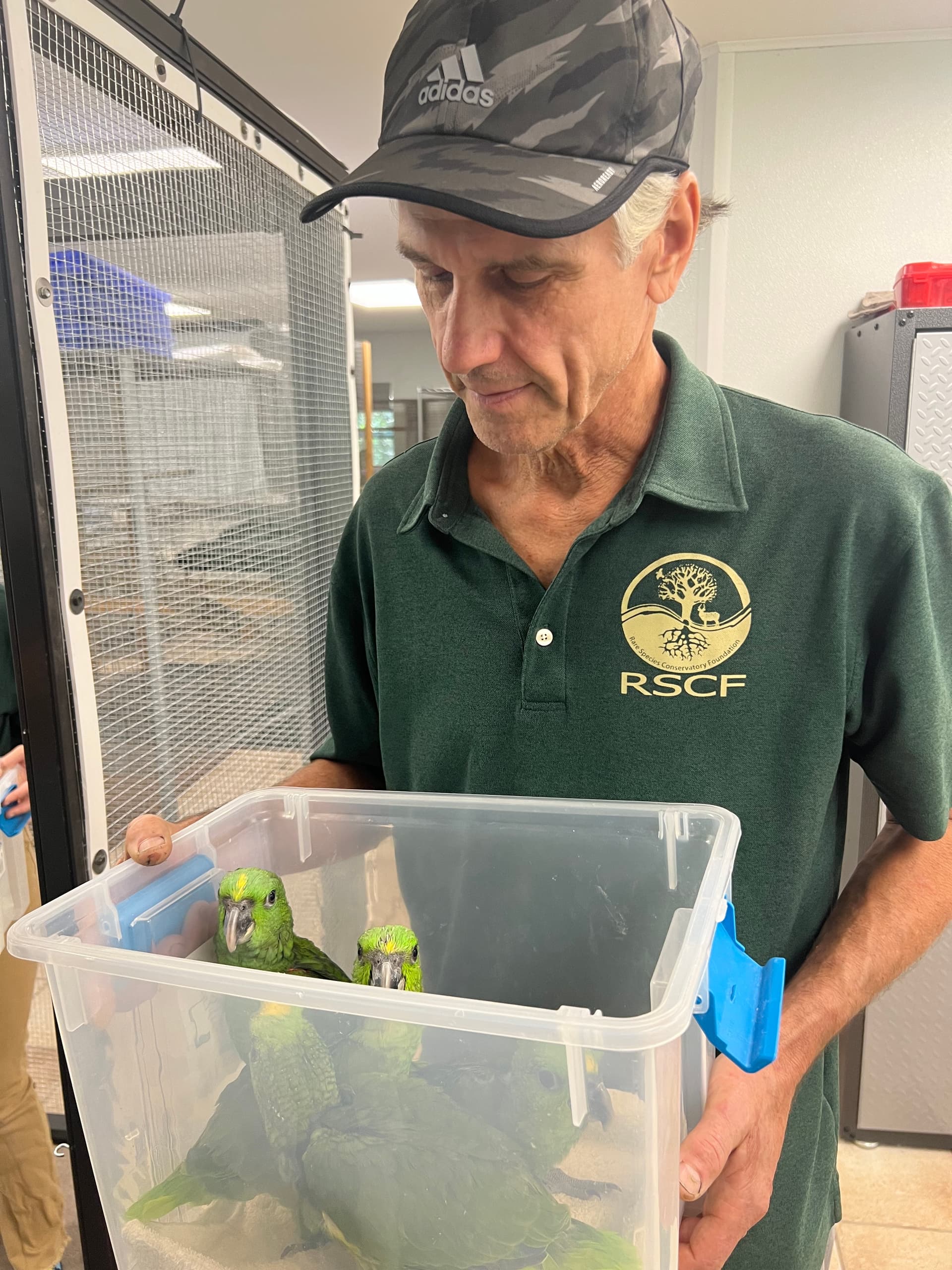
Parrots are explicitly singled out as among the most heavily trafficked birds in a Florida International University news release that announced on Feb. 27, 2026 new science and applied tools designed to detect and deter illegal wildlife trafficking. Working across the Tropical Conservation Institute, Global Forensic and Justice Center, Institute of Environment and the Jack D. Gordon Institute for Public Policy, FIU said the initiative includes rapid species identification at international ports and tools for local communities to better protect wildlife in native habitats.
The release framed the work as an effort to turn research into usable interventions, saying FIU teams are "closing the gap between data and decision-making. They are transforming science into actionable, scalable solutions for law enforcement, local communities and policymakers worldwide." FIU highlighted innovations in DNA science and technology, and described development of low-cost solutions and expertise intended to conserve biodiversity and combat illegal wildlife trafficking of species of all kinds.
FIU identified a network of researchers pushing the work forward, naming Reillo, Cardeñosa, Shirley, Heinen, Liu and Pires as part of that team. The university also described AI-driven tools under development, with Operation Pangolin explicitly cited as a program building predictive models for trafficking behavior. Operation Pangolin is led by Matthew Shirley, identified in the release as project lead and FIU conservation ecologist, and supported with corefunding from the Paul G. Allen Family Foundation. FIU said Operation Pangolin is gathering biological data to inform conservation in Africa and has plans to expand efforts into Asia while working with local communities.

The release placed parrots alongside a broader slate of FIU campaigns that target wild orchids, sharks, turtles, tropical birds and pangolins, calling pangolins "the world’s most trafficked mammal." Under numbered headings echoing international biodiversity goals, FIU outlined programmatic aims including "15.9 Integrate ecosystems and biodiversity values," "15.a-c Mobilize resources," "15.7 End poaching and trafficking," and "15.8 Prevent invasive species." The university linked trafficking work to invasive species management, saying "From the Florida Everglades to the illegal wildlife trade in Asia, FIU scientists are providing the science to improve wildlife management strategies, trafficking interventions and other tactics to combat existing and prevent new introductions of invasive species to ecosystems."
The Feb. 27 release emphasized the intended beneficiaries of the tools - law enforcement, local communities and policymakers worldwide - and included the claim that "The innovations in DNA science and technology being developed here can be used to protect species anywhere." The announcement did not include specific case files, seizure counts, deployment dates or technical performance metrics for the rapid identification or AI tools, leaving details of operational use and validation to be addressed in follow-up documentation. FIU framed the research as a lifeline for vulnerable species, noting that "For wildlife completely unaware of their own vulnerability, these researchers are providing a lifeline of hope.
This article was produced by Prism’s automated news system from verified source data, official records, and press releases, then run through automated quality and moderation checks before publishing. The system is built and supervised by the people who set the standards it runs under. Read our full AI policy.
Did this article answer your question?