Great Green Macaw Faces Growing Threats, Conservation Groups Warn in New Report
Costa Rica's pineapple industry is pushing the Great Green Macaw closer to extinction, a new joint report from the Conservation Law Center and Macaw Recovery Network warned.
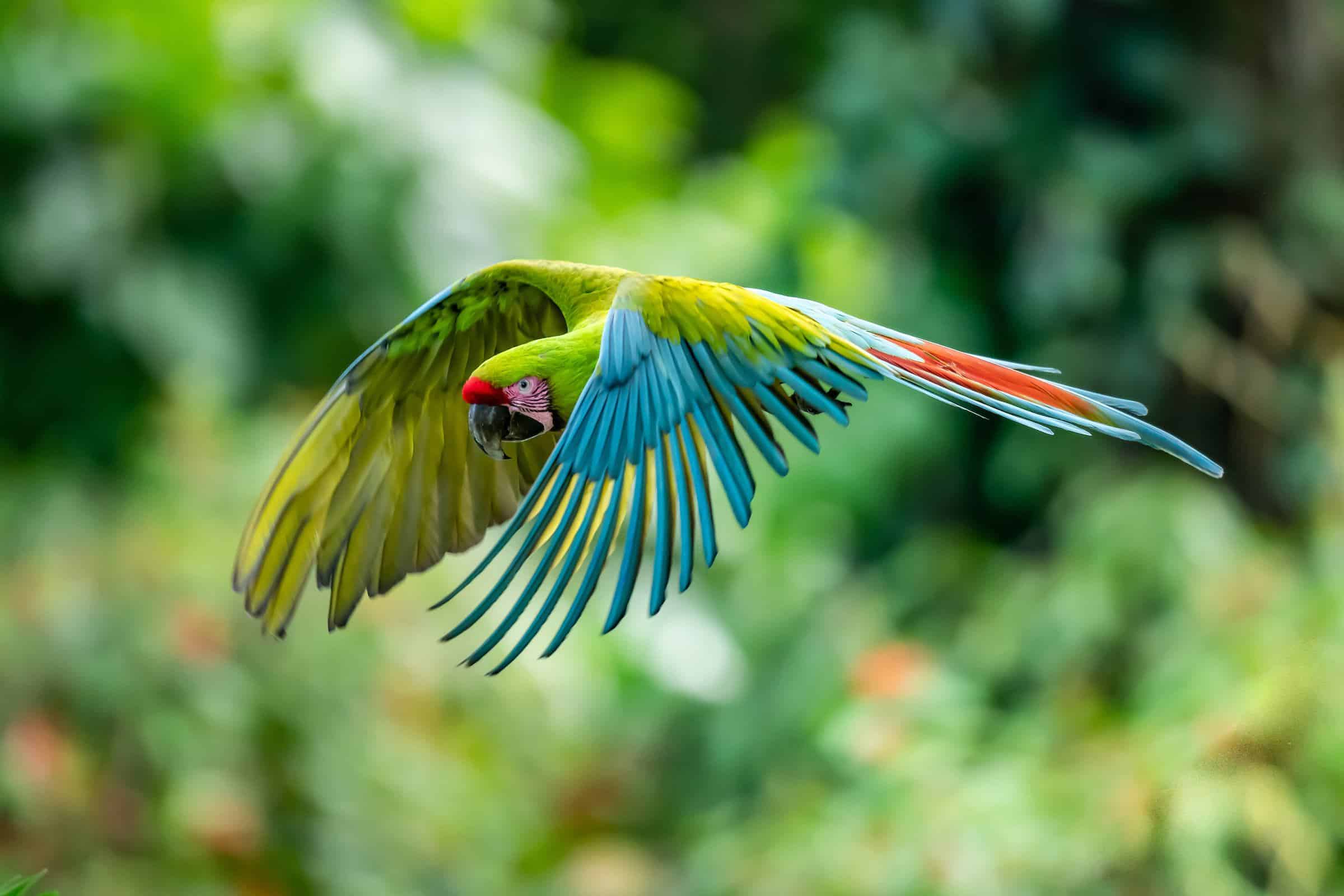
The Conservation Law Center and the Macaw Recovery Network are raising alarms about the survival of one of the most striking parrots in the Americas. In a March 17 post, the two organizations, working alongside academic partners, spotlighted a detailed report analyzing the mounting threats facing the Great Green Macaw (Ara ambiguus) in Costa Rica, with particular focus on the expanding pineapple industry as a driver of habitat destruction.
The Great Green Macaw, already listed as endangered, is one of the largest parrots in the world and a species many in the parrot care and conservation community have followed closely for years. Its range has contracted sharply as lowland forests in Costa Rica have been converted to agricultural use, and the CLC-MRN report zeroes in on pineapple cultivation as a significant and underreported pressure on what remains of that habitat.
Costa Rica is one of the world's leading pineapple exporters, and the industry's expansion has accelerated land clearing in the Caribbean lowlands, precisely the forest corridors the Great Green Macaw depends on for nesting and foraging. The species relies heavily on the mountain almond tree (Dipteryx panamensis) for both food and nesting sites, and those trees have been disappearing alongside the forests that host them.
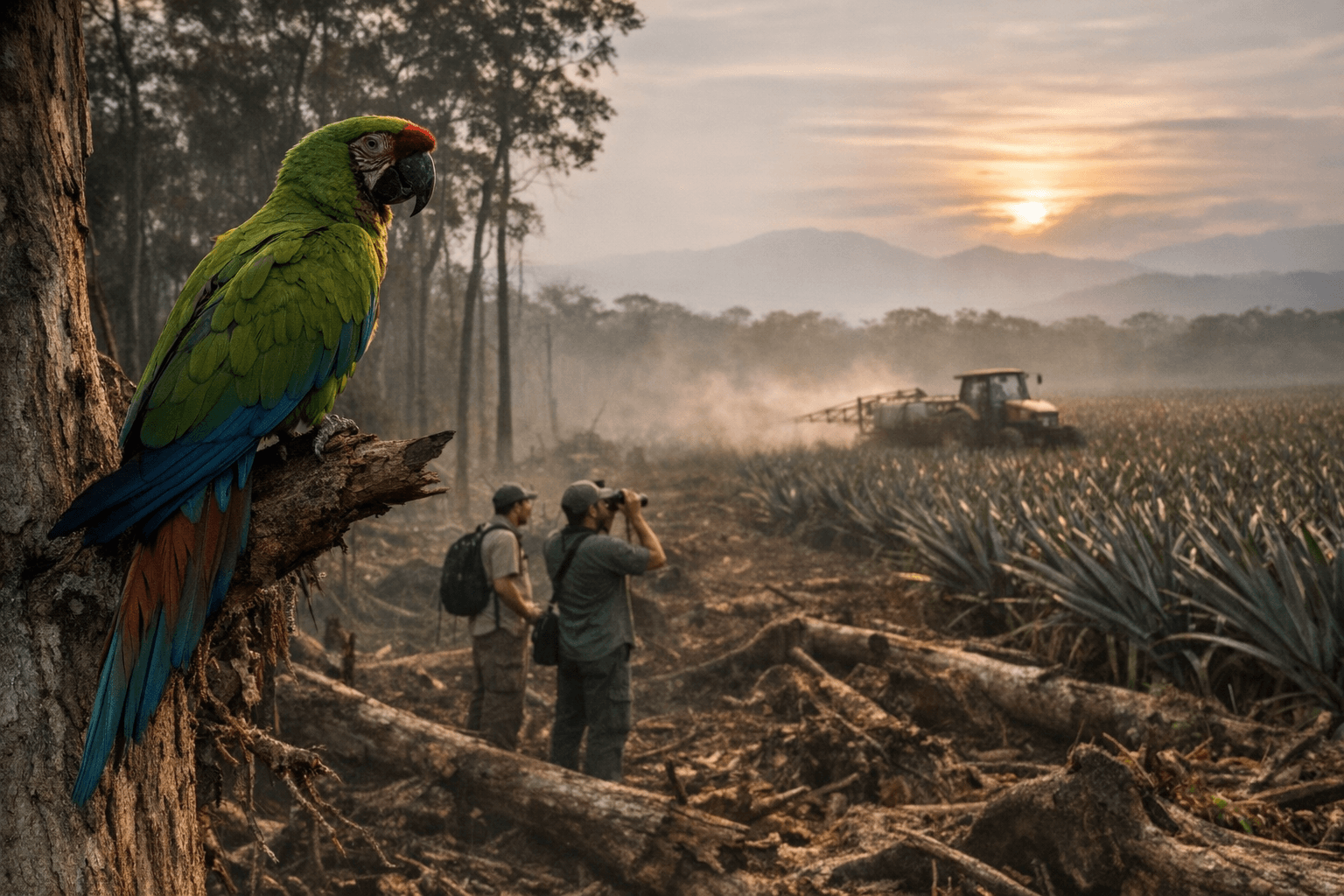
The Macaw Recovery Network has worked for years on the ground in Costa Rica, coordinating nest monitoring, community outreach, and reforestation efforts specifically aimed at supporting Ara ambiguus populations. The Conservation Law Center's involvement signals a legal and policy dimension to the fight, pushing for regulatory scrutiny of agricultural expansion that directly conflicts with habitat protections.
The report's release comes at a moment when the wild population of Great Green Macaws in Costa Rica is estimated to number only in the hundreds, making each breeding season and each preserved forest corridor consequential. The collaboration between legal advocates, field conservationists, and academic researchers reflects the kind of cross-sector pressure that the CLC and MRN are betting can move the needle where individual efforts have fallen short.
This article was produced by Prism’s automated news system from verified source data, official records, and press releases, then run through automated quality and moderation checks before publishing. The system is built and supervised by the people who set the standards it runs under. Read our full AI policy.
Did this article answer your question?