Lightning-started Bushfire Burns 11,000 Hectares, Endangers 150 Western Ground Parrots
A lightning-started bushfire burned about 11,000 hectares of habitat used by the critically endangered western ground parrot, threatening roughly 30% of its core range and complicating efforts to count the remaining 150 birds.
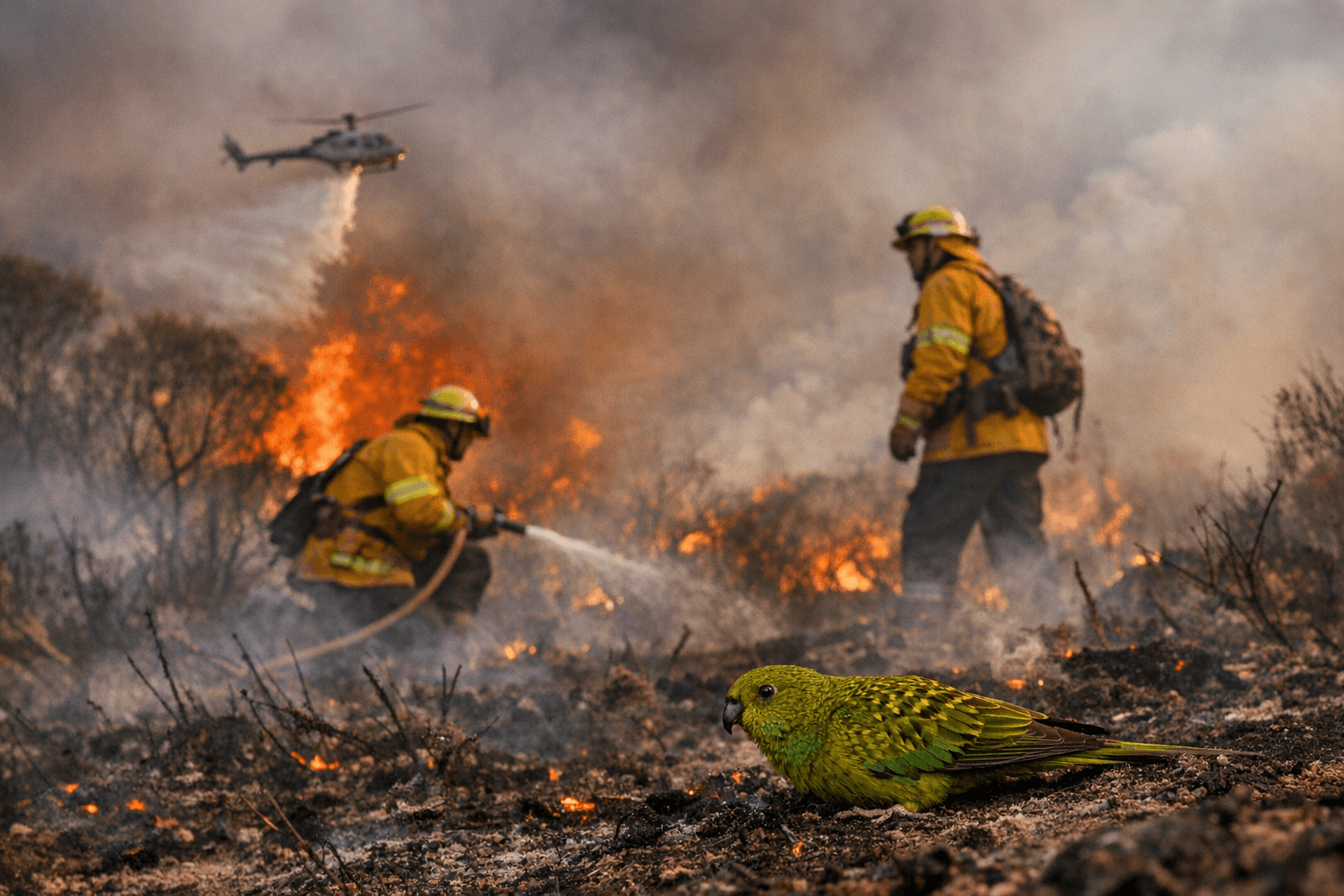
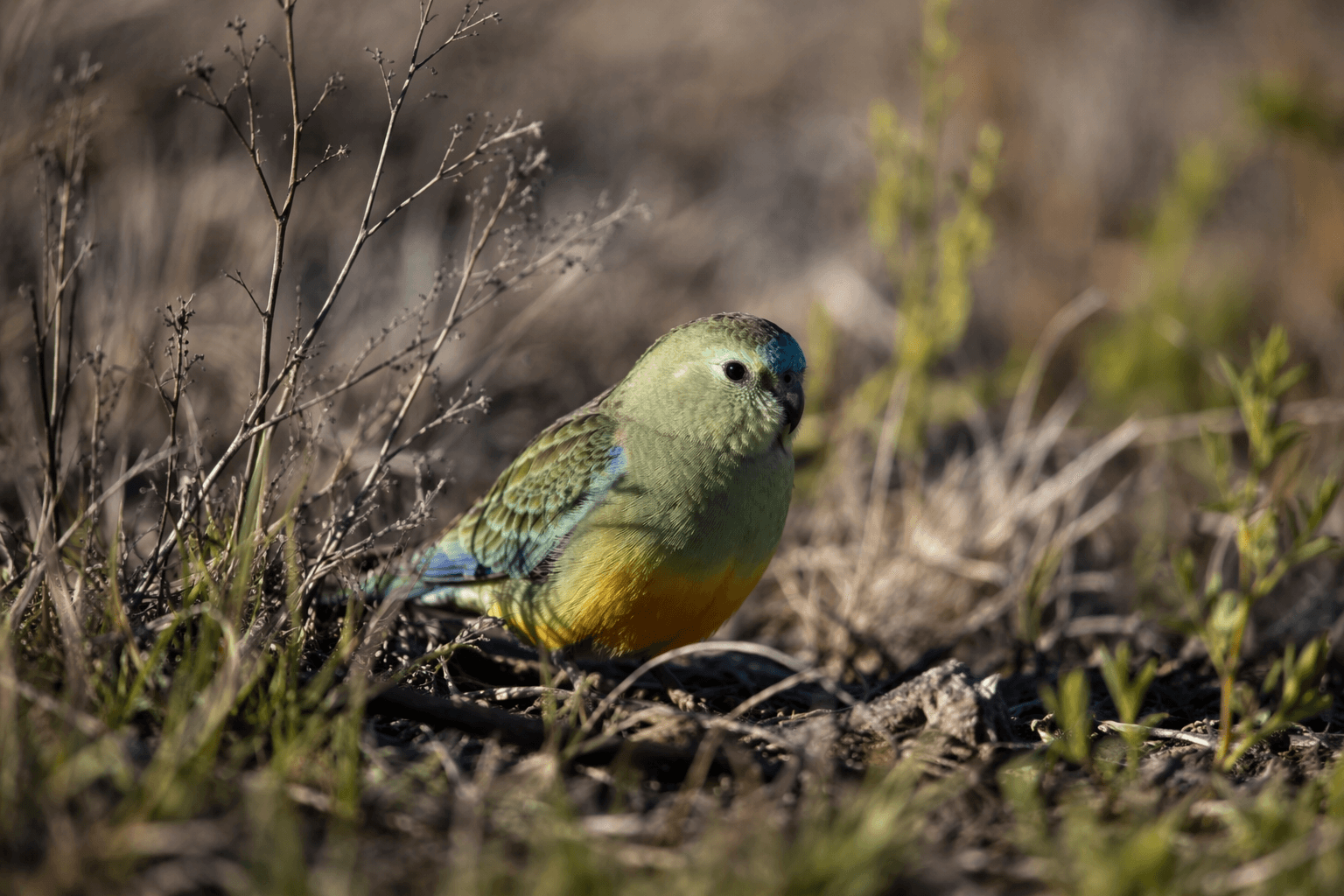
A lightning strike sparked a bushfire that burned an estimated 11,000 hectares on Western Australia’s south coast, hitting habitat used by the critically endangered western ground parrot, the kyorling. The Department of Biodiversity, Conservation and Attractions (DBCA) estimates the blaze affected roughly 30% of the species’ core habitat, and the surviving wild population is small - about 150 birds confined to Cape Arid National Park and the adjacent Nuytsland Nature Reserve.
The timing of the fire has added urgency and uncertainty for field teams. The blaze began on January 24, 2026, during the parrot’s fledging period, when parents may still be tending flight-limited young. DBCA ecologists and Perth Zoo staff have noted that several acoustic monitoring devices used to record dawn and dusk calls were likely destroyed, leaving immediate population assessments incomplete. Acoustic monitoring is a backbone of western ground parrot surveys because the species is secretive and rarely seen, so loss of recorders means teams must rely on ground searches and any surviving devices to piece together impacts.
Conservation work continues on multiple fronts. DBCA has prioritized on-the-ground monitoring and is planning translocations to bolster occupied sites if needed. Predator control remains central to recovery efforts, with baiting and trapping programs aimed at reducing feral cat and fox predation pressure that has historically driven declines. Perth Zoo’s captive breeding program adds another layer of resilience; the zoo recently celebrated a world-first when a fully fledged western ground parrot chick was raised in captivity, demonstrating the potential for ex situ support to supplement wild populations.
For the Parrots Care community, this event underscores how quickly a single fire can reshape conservation calculations. Surveys will be slower and more resource-intensive while teams replace lost acoustic devices and search for fledglings that may be hidden by post-fire habitat changes. Volunteers and local carers who track calls, assist with monitoring, or participate in predator control may be asked to coordinate with DBCA and Perth Zoo as priorities and access change in burned areas.
The fire also fits into a broader pattern of increasing climate-driven fire risk that conservation managers cite as a growing threat to ground-dwelling species dependent on patchy coastal scrub. Still, active measures offer cautious hope: monitoring, targeted baiting and trapping, planned translocations, and captive-breeding successes provide practical pathways to reduce immediate mortality and support recovery.
What comes next is clearer counts and targeted recovery action. Expect updated population estimates as acoustic arrays are repaired and field teams complete surveys, and watch for DBCA and Perth Zoo announcements about translocation or intensified predator-control work. For now, focus on supporting accredited conservation efforts and staying informed as recovery plans adapt to this new challenge for the kyorling.
This article was produced by Prism’s automated news system from verified source data, official records, and press releases, then run through automated quality and moderation checks before publishing. The system is built and supervised by the people who set the standards it runs under. Read our full AI policy.
Did this article answer your question?