MSPCA-Angell Vet Guide to Parrot Care: Diet, Enrichment, Lifelong Commitment
Learn vet-backed parrot care essentials: balanced diet, safe housing, daily socialization, enrichment, grooming, and the long-term commitment parrots require.
1. Diet
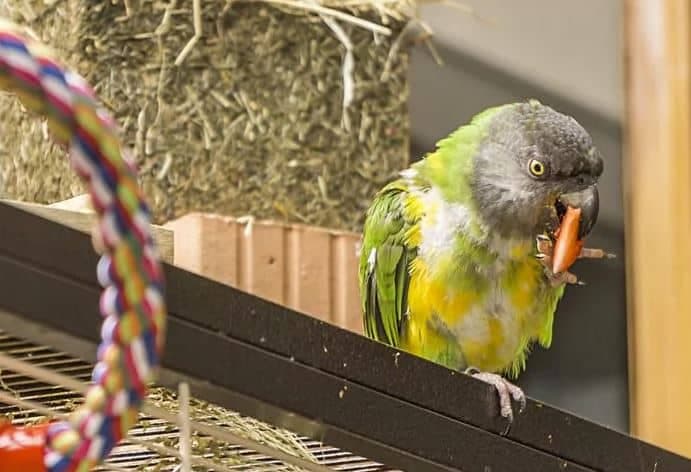
A high-quality pellet should form the foundation of your parrot’s diet, aim for roughly 60% pellets with fresh vegetables and fruits making up most of the remainder. Seeds and treat foods should be limited to about 5–10% of daily intake to avoid malnutrition and obesity. Transitioning to pellets works best gradually: start by mixing small amounts of pellets into familiar foods, offer pellets in different textures and locations, and reward exploration with foraging treats. Note species exceptions: lorikeets typically need nectar-based diets, so consult an avian vet for species-specific formulations.
2. Toxic foods and safety
Some common human foods are dangerous to parrots and must be avoided entirely; key items to prohibit include avocado, garlic, onions, chocolate, caffeine, and alcohol. Even small amounts of these can cause serious illness, so keep them well out of reach and educate household members and guests. When preparing fresh foods, wash produce thoroughly and avoid seasonings that may include onion or garlic powder. If you suspect ingestion of a toxic food, contact an avian-experienced veterinarian immediately.
3. Appropriate caging and housing
Provide a cage large enough for short flights and comfortable movement; parrots should be able to fully extend wings and move between multiple perches without obstruction. Stainless steel cages are preferred for durability and ease of disinfection; avoid painted or plated surfaces that can chip and be ingested. Arrange multiple perches of differing diameters and materials placed so they don’t block flight paths, and position the cage where your bird can be part of household activity while still having a quiet corner to rest. Regularly clean and rotate perches and cage layout to reduce boredom and maintain foot health.
4. Socialization and flock needs
Parrots are social, flock-oriented birds that require daily interaction to thrive, plan for consistent, quality time every day rather than occasional handling. Socialization includes talking, training sessions, supervised out-of-cage time, and opportunities for safe interaction with family members; this reduces behavioral issues like screaming, feather plucking, and aggression. If your schedule is tight, arrange for trusted sitters, playdates with other birds (carefully supervised), or more complex enrichment to meet social needs. Bonding responsibly means respecting your bird’s signals and building trust through predictable routines.
5. Enrichment and mental stimulation
Foraging opportunities, chewable toys, and varied perches are essential to emulate natural behaviors and keep an intelligent bird mentally fit. Rotate toys weekly and use safe materials like untreated wood, leather, and natural fiber rope; avoid small parts that can be swallowed. Introduce puzzle feeders, hide small portions of fresh food for foraging, and change foraging locations to keep challenges fresh. Enrichment has community value: sharing successful DIY toy ideas and trading toys at local meetups is a great way to keep things interesting while supporting reuse.
6. Grooming and safe trimming
Basic grooming, regular baths or misting, nail trimming, and occasional wing trims, keeps your parrot comfortable, but wing and nail trimming should be done by trained professionals when you don’t have experience. Improper trimming can cause injury, bleeding, or flight problems; find an avian-experienced groomer or veterinarian who understands species differences and flight safety. Encourage feather care naturally with bathing opportunities and supervised exploration; inspect beak and feather condition regularly and bring issues to your vet promptly.

7. Routine veterinary and preventative care
Schedule an initial veterinary check after acquisition and plan annual exams with an avian-experienced veterinarian to monitor weight, behavior, and diagnostic screening as needed. Preventive care helps catch parasites, nutritional deficiencies, and early disease, your vet will recommend tests and vaccines where appropriate, plus guidance on husbandry tailored to your species. Keep emergency contact info for an avian vet readily available, and discuss quarantine practices for new birds to protect household flocks.
8. Lifelong commitment and practical planning
Parrots are long-lived, intelligent companions that require time, space, and ongoing investment; many species live for decades, so plan for veterinary costs, housing upgrades, and long-term caregiving. Consider who will care for your bird during vacations or life changes, and make written care instructions and contingency plans in case of emergency or relocation. Community resources, local rescue groups, avian vet clinics, and parrot clubs, can help you plan for lifework responsibilities and offer support when your bird’s needs evolve.
- Practical tips: introduce pellets slowly, rotate one toy at a time, and keep a simple toxic-foods checklist on the fridge.
- Community tip: swap safe toy ideas and trusted avian-vet recommendations with local parrot groups.
Closing practical wisdom Start with a pellet-first diet, a roomy stainless-steel cage, daily social time, and a vet who knows birds, those four investments will pay dividends in health and happiness. Parrot care is marathon-level commitment, but with consistent enrichment, routine veterinary checks, and community support you’ll build a resilient, joyful bond that rewards both you and your bird for years to come.
Know something we missed? Have a correction or additional information?
Submit a Tip
