Parrot Care Essentials: Choosing Companions, Housing, Diet, Enrichment, Health
Parrot care essentials explain how to choose companions, set up housing, balance diet, plan enrichment and protect health so owners can meet species needs and reduce risks.
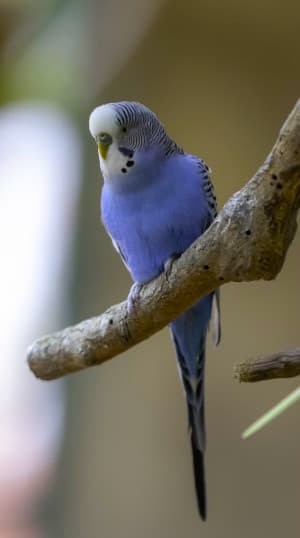
Parrots are social flock animals that need companionship, mental stimulation and a species-appropriate environment to thrive. Owners who match companion choice, housing, diet and enrichment to a bird’s natural behavior will cut stress, reduce problem behaviors and improve long-term health.
Start with compatibility before bringing a bird home. Assess species-level needs, daily social requirements and noise tolerance. Prepare your household by identifying a primary caregiver, securing childcare for other pets, and removing hazards such as nonstick cookware that can emit Teflon fumes, aerosols, and toxic plants. Avoid offering avocado and other known poisonous foods. Register identification before an escape by using a leg ring or microchip and schedule an initial veterinary check to establish baseline health; birds commonly mask illness so early exams matter.
Housing must be appropriate for the species and the bird’s daily routine. Indoor aviaries or cages should allow safe flight or wing exercise and a separate sleeping area. Outdoor aviaries are suitable for some species but must provide shelter from weather, predators and drafts. Position enclosures where the flock - human and avian - can interact without constant disturbance. Cautious handling reduces stress during training and grooming; plan gradual introductions for new birds and companions so bonding occurs at the bird’s pace.
Diet is central to prevention and enrichment. Use a balanced approach that places formulated or pelleted diets at the core, supplemented with fresh vegetables and controlled fruit or seed treats. Rotate vegetables and prepare foraging-style meals to encourage natural feeding behaviors and reduce seed-fixation. Keep fresh water available and monitor body condition rather than relying solely on weight, since plumage can mask nutritional decline.

Enrichment should be planned and deliberate. Create foraging opportunities, rotate toys regularly to prevent boredom, and schedule daily social interaction and training sessions. Enrichment works best when it mirrors species-typical activities such as problem solving, chewing and social preening. An enrichment plan tailored to molting cycles, breeding behavior and individual temperament will lower the risk of feather plucking and stereotypies.
Preventative health completes the picture. Annual veterinary exams, prompt attention to behavioral changes, and clear identification measures improve recovery odds if problems arise. Preparing step-by-step for a new bird, selecting a compatible companion, creating a balanced diet and committing to ongoing enrichment will keep both parrots and people happier. For readers, practical next steps are simple: secure identification, book a vet exam, and draft a housing-and-enrichment plan that fits your bird’s species and daily life.
This article was produced by Prism’s automated news system from verified source data, official records, and press releases, then run through automated quality and moderation checks before publishing. The system is built and supervised by the people who set the standards it runs under. Read our full AI policy.
Did this article answer your question?