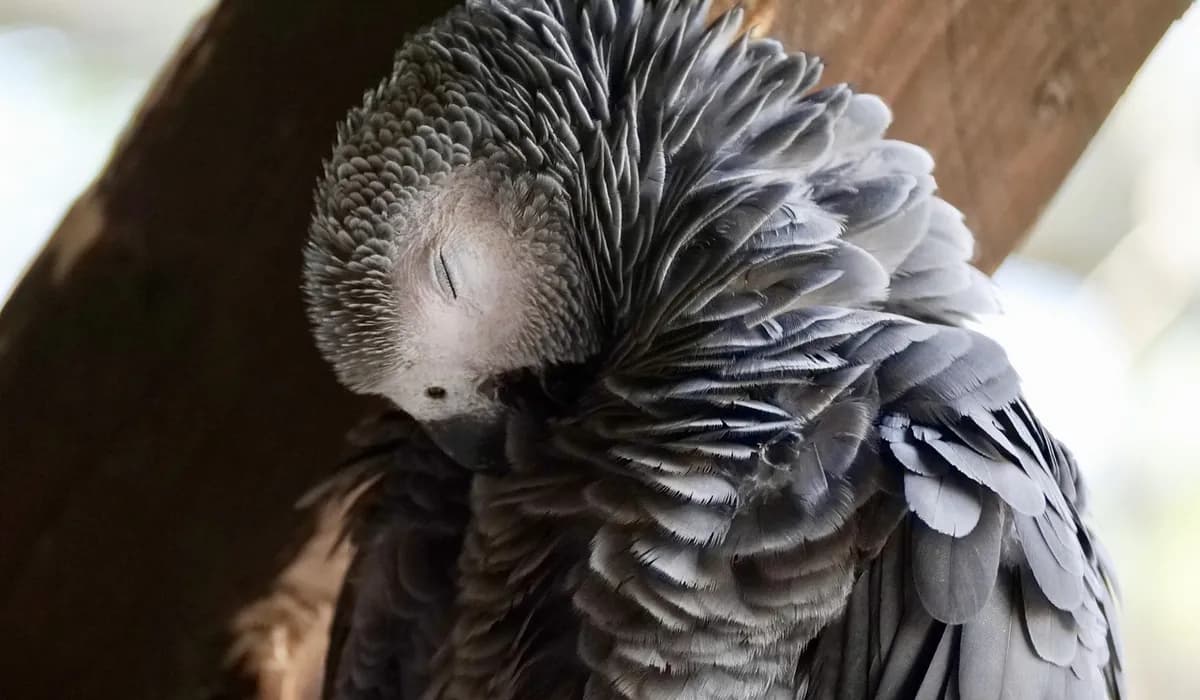
Parrot owner spots unusual white growths under African grey’s chin
A 20-year-old African grey’s two soft white puffs under the chin set off alarm, but the bigger warning is how fast a subtle change can hide illness.
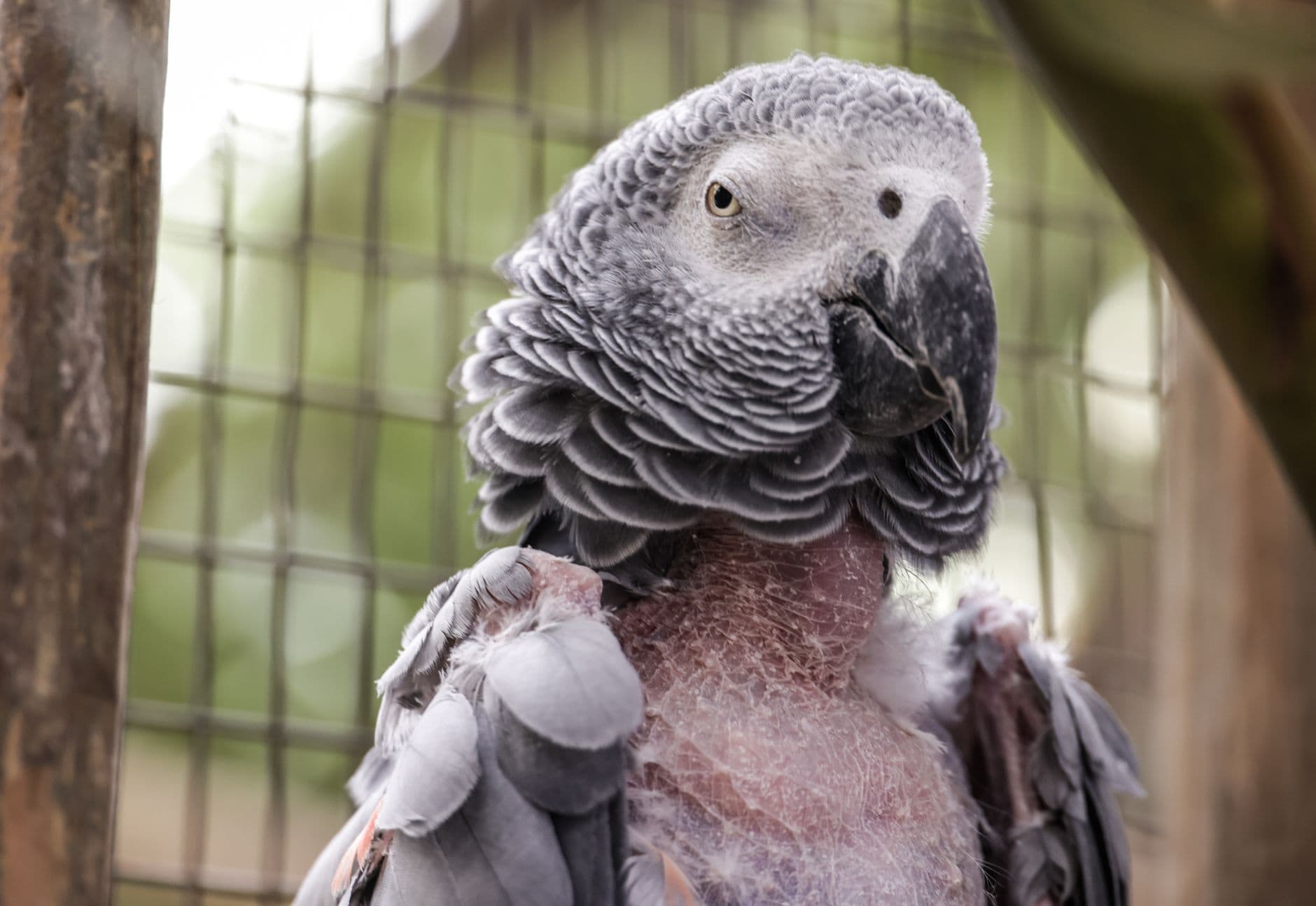
A 20-year-old African grey with two soft white puffy growths under its chin is the kind of sight that can turn a routine morning into a scare. In a June 16 post on Parrot Forums, the owner said the bird otherwise seemed healthy, would not allow the area to be touched, and left the family with no clear explanation for what they were seeing.
That reaction is exactly why longtime bird owners keep close tabs on small changes. Parrot Forums, which launched in January 2005 as a dedicated place for parrot owners and bird enthusiasts to learn and share information, has become one of the spots where a sudden feather, skin, or beak change gets noticed quickly. The point is not to diagnose from a photo or a description. It is to catch the problem before a bird that looks normal on the outside has time to get much worse.
The first question in a case like this is what changed around the bird recently. Check for recent grooming, a bath, misting, or anything that could leave debris under the chin. Look closely for pin feathers, since new feathers can form little white sheaths that look odd at first glance. Also watch for discharge, crusting, swelling, or a bad smell, along with any change in breathing, such as open-mouth breathing, tail bobbing, or extra effort just to sit still.
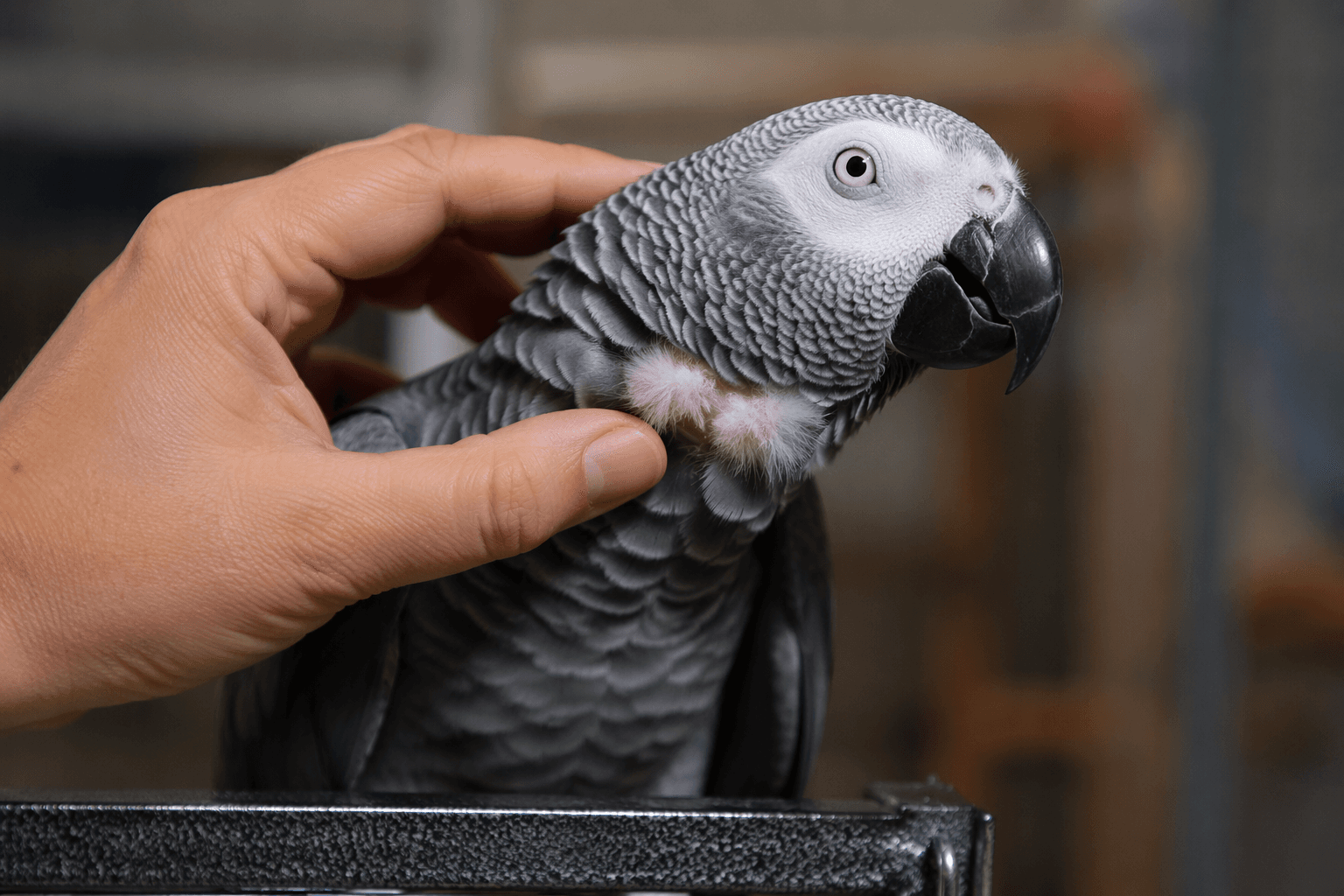
The bigger warning signs are often in the bird’s routine. Veterinary references from MSD Veterinary Manual and VCA Animal Hospitals stress that birds hide illness because appearing weak can make them vulnerable to predators. That means owners need to watch for changes in appetite, drinking, energy, droppings, and overall behavior, not just the lump itself. A bird that stops eating normally, becomes quieter, or acts painful when handled is signaling that the issue is no longer just cosmetic.
A lump or swelling in a bird can have many causes, including an abscess, bruise, bite wound, cyst-like lesion, fatty mass, or a benign or malignant tumor. Tumors may be noted protruding from the skin, swelling under the skin, or deeper inside the body, and they are more common in middle-aged and older birds than in young ones. That makes a 20-year-old African grey especially worth taking seriously. Veterinary guidance says any bird showing signs of illness should be examined by an avian veterinarian as soon as possible, because delays in diagnosis and treatment can reduce the chance of recovery. When white puffs appear under the chin, the safest move is to treat them as a prompt to look closer, not as something to ignore.
This article was produced by Prism’s automated news system from verified source data, official records, and press releases, then run through automated quality and moderation checks before publishing. The system is built and supervised by the people who set the standards it runs under. Read our full AI policy.
Know something we missed? Have a correction or additional information?
Submit a Tip