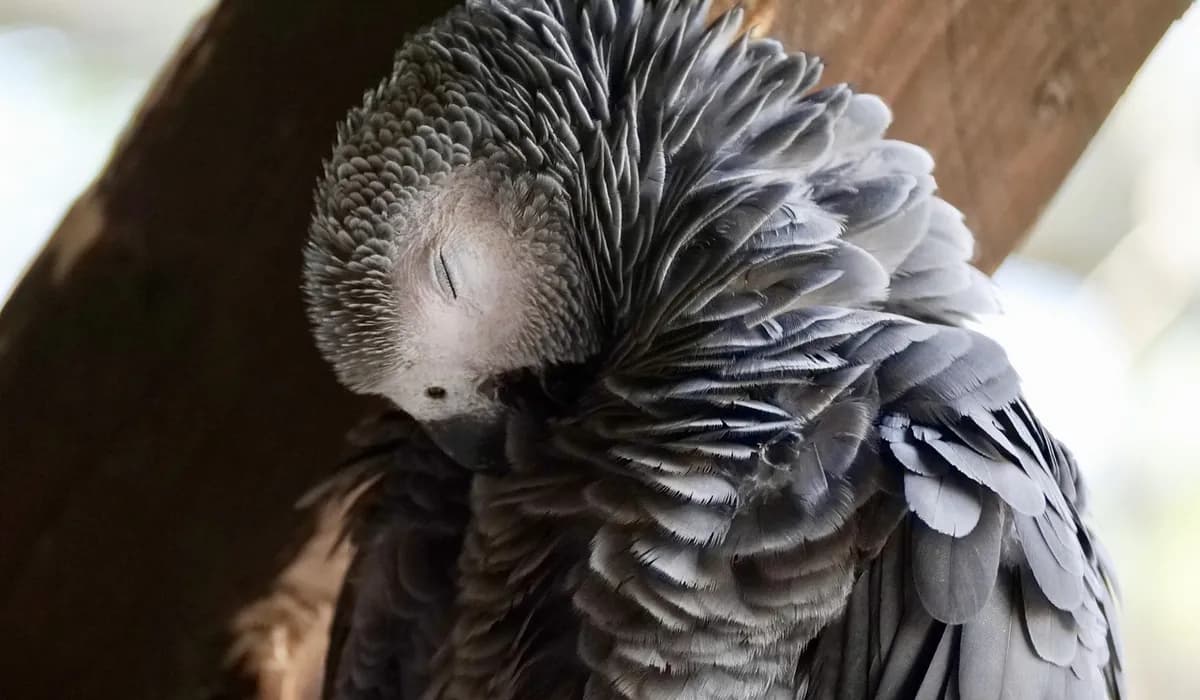
Parrots can lay eggs without mating, experts explain why
A single egg can appear even when no mating happened. The real concern is repeated laying, which can drain calcium and point to a hormone-driven cycle.
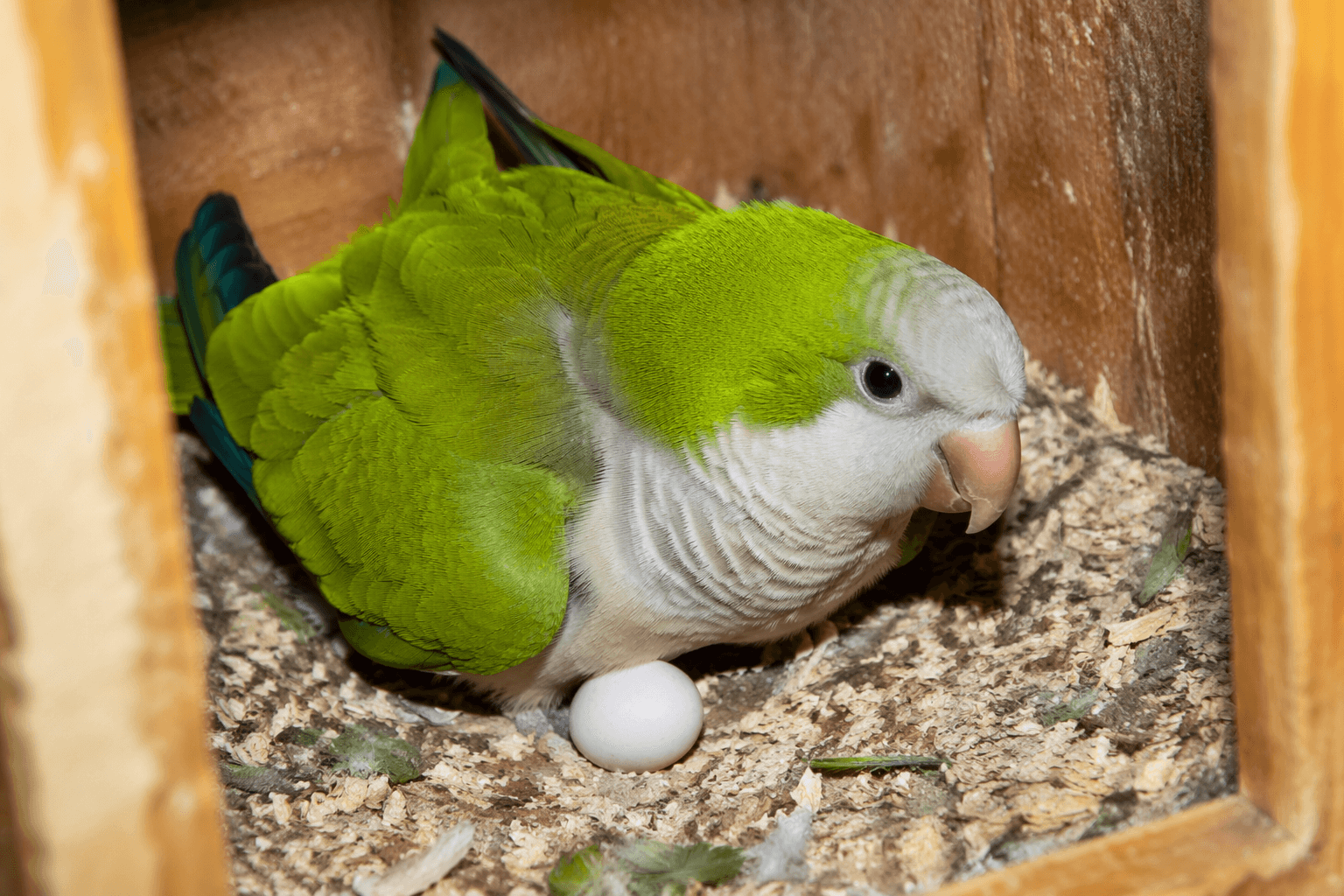
A lonely egg in the bottom of the cage can send even seasoned parrot owners into a spin. The surprise is understandable, but the biology is not mysterious: a female parrot can lay an egg without ever being exposed to a male, and that egg will be infertile. The bigger question is not whether she mated, but whether her body has been pushed into a laying cycle that could keep repeating.
Why an egg can appear without a mate
Parrot Care Central frames this clearly, and the veterinary guidance backs it up: egg production and fertilization are separate events. A female bird can ovulate without a male present, which means the egg can form and be laid even in a completely solo setup. All About Parrots makes the same basic point in plain language, noting that an unfertilized egg will never hatch.
That distinction matters because the sight of a single egg can trigger three false alarms at once. Owners often worry that the bird somehow found a mate, that the egg might still develop, or that an emergency is already underway. In many cases, what is really happening is a normal reproductive process that has been switched on by hormones and environmental cues.
What pushes a parrot into laying
Egg laying does not happen in a vacuum. Merck Veterinary Manual notes that wild psittacines respond to environmental conditions such as temperature, photoperiod, and humidity, and captive birds can react to the same signals at home. Longer days, warmer conditions, and a nest-friendly environment can all tell a bird that breeding season has arrived, even when no mate is present.
That is why little details around the cage matter so much. Hiding places, dark corners, shredded paper, soft nesting material, and even routines that encourage nesting behavior can all feed the cycle. Parrot Care Central points readers toward watching body language, appetite, and the home setup itself, because the egg is often the end result of a larger hormonal pattern.
The species involved also matters. Merck says excessive egg production is common in small birds, especially budgerigars, lovebirds, and cockatiels. The problem is not confined to one odd bird or one unusual household. It is a familiar reproductive pattern in pet birds, especially when the environment keeps whispering, this is a place to breed.
When a normal egg becomes a real problem
A single infertile egg is one thing. Repeated laying is another. VCA Animal Hospitals says chronic egg laying is more common in pet birds living without mates and laying infertile eggs, and the repeated process can deplete calcium, lead to malnutrition, and raise the risk of egg binding, infection, or inflammation of the oviduct. The Royal Veterinary College adds that continuous egg laying can become life-threatening because of calcium depletion, egg binding, reproductive infections, and even behavioral problems such as aggression.
That is why the danger signal is not the egg itself so much as the pattern around it. If a bird keeps producing eggs, looks weak, strains, or seems broody in a way that appears physically hard on her, the situation needs attention. VCA also warns that egg binding can become critical if a long time has passed since the bird began trying to lay an egg, which is why delay is never a good strategy when the bird looks unwell.
What to do right away
The first move is calm observation, not panic. Look at whether the bird is eating normally, moving normally, and acting like herself, and pay attention to any nesting behavior that may be building the next round. If she is alert, active, and not straining, the egg may simply be part of a hormone-driven cycle that still needs to be managed.
After that, shift the home environment so it stops advertising breeding conditions.
- Reduce nesting cues by removing cozy hiding spots, dark cavities, and excess shreddable material.
- Review light schedules, because prolonged daylight can reinforce reproductive behavior.
- Keep enrichment in place, but choose items that do not feel like nest-building prompts.
- Support proper nutrition, especially because calcium demand rises when laying becomes repetitive.
- Call an avian vet if the bird keeps laying, seems weak, strains, or looks broody in a way that is wearing her down.
This is also where sexing matters more than many owners expect. Merck notes that most pet birds are not sexually dimorphic, so appearance alone often cannot confirm whether a bird is male or female. If the sex of a bird is unknown and reproductive behavior keeps appearing, confirmation may require DNA sexing or endoscopic examination rather than a quick visual guess.
The prevention plan owners need before the next egg appears
The most useful approach is to think ahead. Parrot Care Central emphasizes prevention, especially for birds with a history of hormonal behavior or repeated egg production. That means noticing the pattern before the next egg arrives and treating the home as part of the bird’s reproductive environment, not just as a backdrop.
The good news is that the response is practical. Once you understand that a lone egg does not require a male and does not signal a hatching opportunity, the real focus shifts to the bird’s body and the conditions around her. A parrot that lays without mating is not performing a bizarre trick; she is doing what her biology allows. The owner’s job is to spot when that biology is becoming a cycle, and to interrupt the loop before one startled morning turns into a much bigger health problem.
This article was produced by Prism’s automated news system from verified source data, official records, and press releases, then run through automated quality and moderation checks before publishing. The system is built and supervised by the people who set the standards it runs under. Read our full AI policy.
Know something we missed? Have a correction or additional information?
Submit a Tip