Philippines reports H5N1 bird flu outbreak in backyard birds
A backyard flock of 39 poultry in Capalan, Oriental Mindoro, tested positive for H5N1 and was culled. Parrot keepers should treat it as a biosecurity warning.

Authorities in Oriental Mindoro province recorded highly pathogenic H5N1 bird flu in a backyard flock of 39 poultry in the town of Capalan, and all 39 birds were culled as a precaution. The World Organisation for Animal Health was notified after the virus was detected, a quick response that showed how seriously animal-health officials treated a small flock that could still help the virus move.
The case did not involve parrots, but it landed squarely in the parrot-care conversation because backyard birds, outdoor pens and household bird spaces can overlap in ways that matter. A flock kept near a home can share airspace with pet birds, and the risk does not stop at the fence line. Shoes that have crossed a coop, feed containers set down outside, cages used in mixed bird areas and hands that move from one bird space to another without cleaning can all carry contamination back toward a pet parrot.
That is why basic biosecurity stays at the center of bird keeping whenever H5N1 turns up. Keep companion birds away from wild birds and from any outdoor flock that has not been tightly managed. Keep cages, perches and nearby surfaces clean. Do not bring home dirty crates, tools, bedding or feed buckets from an area where poultry or wild birds have been active. If visitors have been around birds elsewhere, make sure they do not walk straight into a parrot room with the same shoes or clothing.
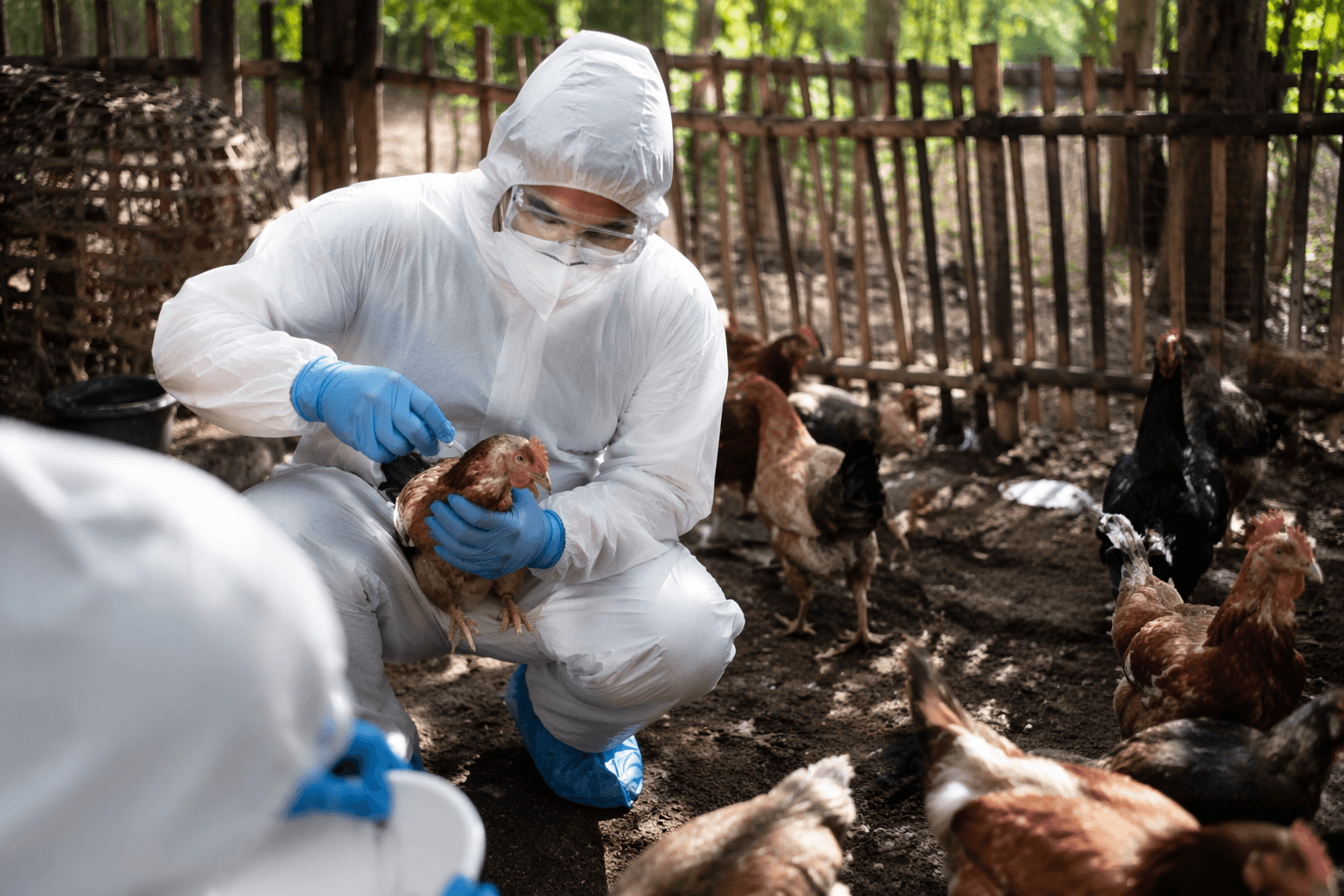
If a pet bird has had any direct or indirect contact with backyard poultry, outdoor birds or the equipment used around them, contact an avian veterinarian before moving the bird again or trying to clean up on your own. That is especially important when the exposure happened near a confirmed H5N1 case, because the response around the Capalan flock was immediate: the birds were culled once the virus was found, not after it had room to spread.
The Capalan flock was small, but the reaction was not. For parrot keepers, that is the lesson in the Philippines report: a backyard outbreak can still reach into the same shared spaces, shoes, feed and cages that define daily bird care.
This article was produced by Prism’s automated news system from verified source data, official records, and press releases, then run through automated quality and moderation checks before publishing. The system is built and supervised by the people who set the standards it runs under. Read our full AI policy.
Did this article answer your question?