Vets Warn Bird Flu May Be Permanent, Urging Parrot Owners to Boost Biosecurity
Veterinarians now fear HPAI bird flu, killing birds within 48 hours and circulating globally since 2020, has become permanently endemic — and your parrot's biosecurity plan needs an urgent rethink.
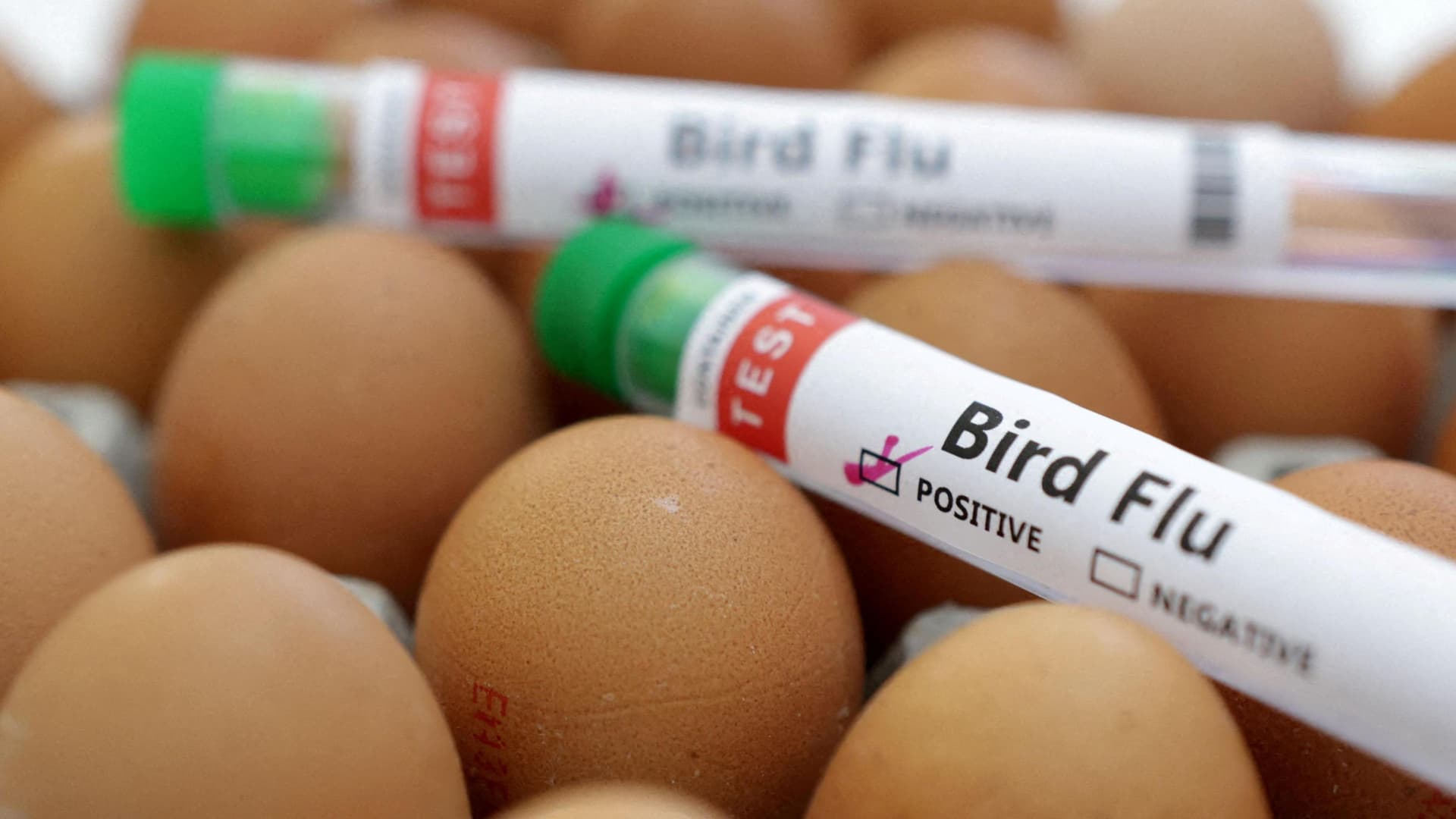
Four years after a particularly virulent strain of highly pathogenic avian influenza arrived in the United States, veterinarians have stopped debating whether this outbreak will burn out and started confronting a far more unsettling question: will it ever end?
The virus is now widespread in wild birds worldwide and is causing outbreaks in poultry and U.S. dairy cows. Outbreaks of the Eurasian lineage HPAI have been impacting domestic poultry and wild bird populations in Europe and Asia since August 2020, and the strain has not relented. When it was first detected in the United States in January 2022, the hope was that history would repeat itself: the last major national HPAI outbreak had fizzled in a matter of months. Instead, by January 2024 concerns were growing among veterinarians that this outbreak might be extraordinarily persistent. Now, as the Veterinary Information Network summarized in a feature published March 26, they are "confronting an uncomfortable possibility that the virus is here to stay."
HPAI viruses can cause mortality of 90 to 100% of the birds in an affected flock, and the currently circulating H5N1 strain emerged in 2020 in Europe. It is deadly, killing birds within 24 to 48 hours via internal hemorrhaging, and there is no cure and no vaccine currently available for pet birds.
For parrot owners, the word "endemic" is not an abstraction. Birds of the order Psittaciformes are susceptible to infection with avian influenza A viruses and succumb following severe disease within one week, with published data confirming that various parakeets, amazons, cockatoos, African grey parrots, and budgerigars have been found dead following natural infections. The Long Island Parrot Society documented how tangible this risk can be locally: HPAI had not been detected in wild birds in the U.S. since 2016 before it reemerged in February 2022 in Suffolk County, New York, within a small flock of backyard poultry that had mingled with wild waterfowl. That single event, the organization noted, marked the beginning of renewed concern among avian veterinarians and bird owners alike.
The debate within the veterinary community is now less about whether the virus is circulating and more about whether it has formally taken up residence. Some veterinarians believe HPAI has become endemic in countries such as the United States and nations throughout Europe, particularly in wild birds. Opinions differ on whether it is endemic among commercial poultry such as chickens and turkeys. On the commercial side, veterinarians say U.S. producers have vastly improved biosecurity in recent years, while others maintain that rolling out vaccines and improving biodiversity within flocks are also needed to beat the virus.
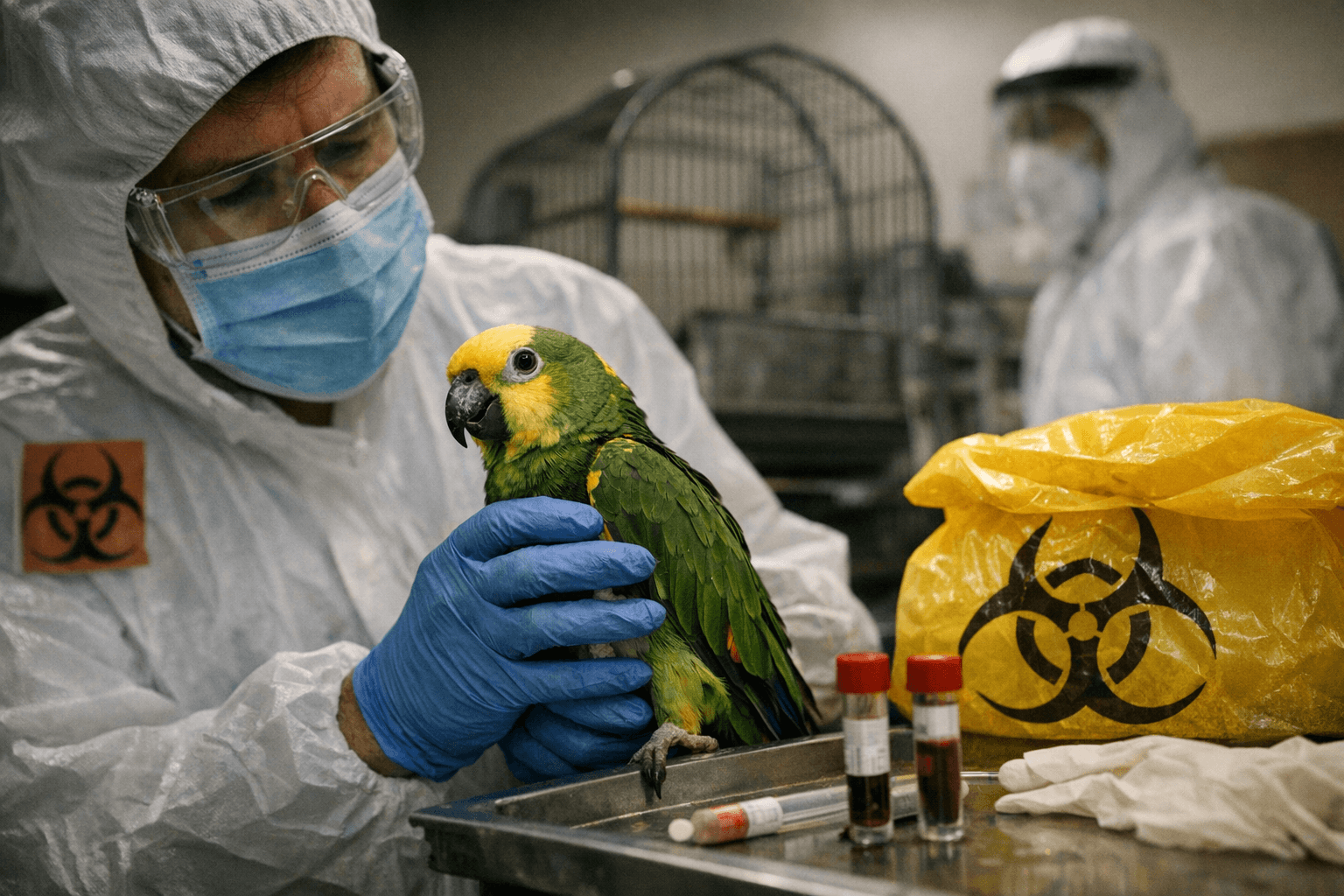
Avian influenza commonly occurs in the U.S. between December and June, with the virus thriving in cool, humid conditions, especially in bodies of water and on various surfaces, making it easy to spread during those months. HPAI is a potent enveloped virus capable of surviving in saliva, nasal secretions, and feces of infected birds, and even asymptomatic wild birds can spread the virus.
That last point carries direct weight for anyone who takes their macaw near a window, lets their conure near an outdoor space, or simply walks in from outside without a second thought. The Long Island Parrot Society recommends keeping pet birds indoors during outbreaks, avoiding cross-contamination via clothes, shoes, or hands; disinfecting bird cages, toys, food containers, and any outdoor equipment; asking visitors to sanitize and avoid contact if they have been in wild bird habitats; and changing clothes and shoes before entering the bird area. Most disinfectants are not safe to use around birds directly, so always check labels for proper dilution rates and contact times, and consult the manufacturer if unsure.
The virus has been detected in 28 U.S. states since the beginning of 2026, a spread that shows the wild bird reservoir feeding domestic risk is not contracting. With veterinary consensus shifting toward the possibility that HPAI is a permanent feature of the landscape rather than a crisis to outlast, the biosecurity habits parrot owners build now are not temporary inconveniences; they are the new baseline.
This article was produced by Prism’s automated news system from verified source data, official records, and press releases, then run through automated quality and moderation checks before publishing. The system is built and supervised by the people who set the standards it runs under. Read our full AI policy.
Did this article answer your question?