When parrot preening signals stress, illness, or feather damage
A parrot that seems to be grooming can actually be signaling stress or illness. The trick is knowing when preening is routine, and when it needs an avian vet.
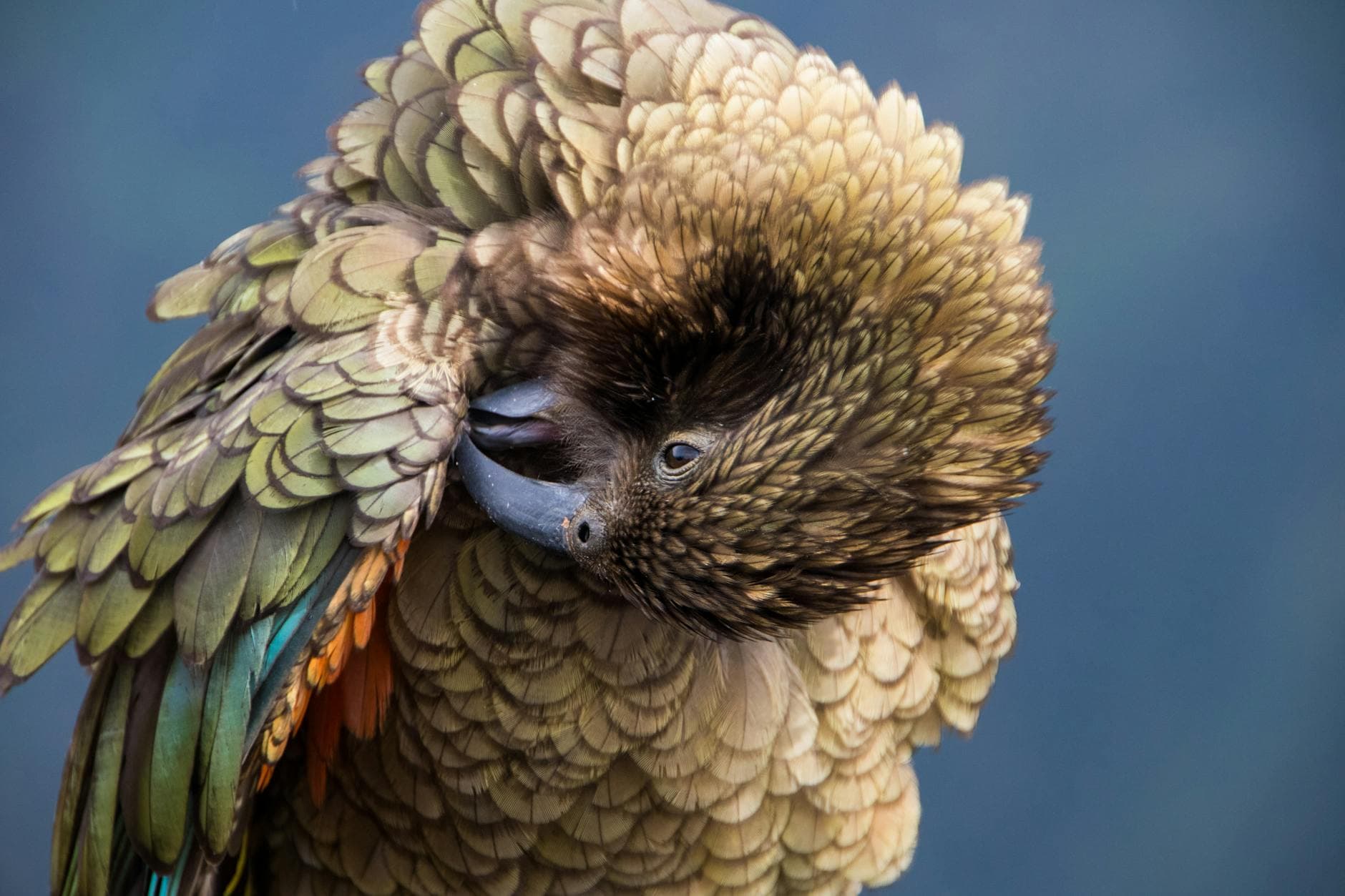
A bird can look perfectly absorbed in its feathers and still be asking for help. Preening is normal, even essential, but the same behavior can slide into feather damage, stress, or illness so quietly that many owners miss the first warning signs.
What normal preening looks like
The Association of Avian Veterinarians describes preening as a bird straightening and cleaning its own feathers with its beak, while allopreening is when one bird grooms another. In the wild, parrot species may spend 20 to 66 percent of their time grooming, which is a reminder that this is not idle fussing, but core maintenance.
Healthy preening usually has a calm, methodical feel. A bird smooths feathers, aligns the barbs, and works at hard-to-reach spots without seeming frantic or stuck. The goal is a plumage that can do its job, helping with flight, insulation, and overall comfort.
When grooming stops looking routine
The trouble starts when the pattern changes. Merck Veterinary Manual says feather destructive behavior can range from mildly excessive preening all the way to self-mutilation, and it also notes that skin and feather disorders are among the most common health problems in pet birds.
That is the line to watch: repetitive over-preening, feather chewing, bald patches, broken feather shafts, excessive scratching, red or inflamed skin, or a bird that seems locked onto one body area. A parrot that keeps worrying the same spot is not just being tidy anymore. It may be telling you something hurts, itches, or feels wrong.
What those feather changes can mean
Feather damage is one of the clearest windows into a parrot’s overall well-being because it is tied to both body and mind. Merck lists behavioral contributors that can drive feather damage in captive parrots, including sexual frustration, boredom, territoriality, compulsive behavior, predator stress from household pets, and a lack of parental training for preening.
Medical causes matter just as much. Merck also points to liver damage, kidney failure, tumors, respiratory infection, and other infections as contributors to feather loss or self-trauma. That is why a parrot that suddenly changes how it grooms should not be assumed to have a purely behavioral problem. The feather issue may be the visible edge of something deeper.
Your at-home threshold for monitoring versus acting
If preening is brief, even, and part of an otherwise normal day, you can watch and support the bird’s routine. Keep an eye on whether the feathers still lie smooth, whether the bird can move from grooming to resting or eating normally, and whether there is any skin irritation or feather breakage developing.
- repeated preening that feels obsessive
- feather chewing
- bald patches
- broken feather shafts
- excessive scratching
- red or inflamed skin
- a bird fixated on one body area
- any move toward self-trauma or self-mutilation
Call an avian vet promptly if you see any of these:
That threshold matters because feather problems rarely improve when they are ignored. The earlier you catch the shift, the easier it is to sort out whether the cause is stress, environment, behavior, or disease.
What to support before the problem grows
Once you are watching closely, the home setup should be part of the response. RSPCA guidance says to give pet birds a fine mist of plain room-temperature water every few days, both to encourage preening and to help keep feathers in good condition. That simple step supports the grooming behavior itself instead of fighting it.
Think in terms of the bird’s whole day: diet, enrichment, sleep, humidity, and stress all feed into feather health. Preening is not a separate habit sitting off to the side of care. It is where the bird’s comfort, environment, and physical condition meet in one visible routine.
Why feather problems deserve a wider lens
There is also a public-health side to pay attention to. The Centers for Disease Control and Prevention says psittacosis is a respiratory illness caused by bacteria that more commonly infect birds, and people can get it by breathing in dust containing dried bird secretions or droppings. Bird owners, veterinarians, aviary employees, and poultry workers are among the groups at increased risk.
That does not mean every grooming change is a biohazard. It does mean feather and secretions deserve respect, especially when a bird is unwell and shedding more dust than usual. Good observation protects the bird first, and everyone sharing the air around it next.
A parrot that vanishes into its feathers for a few minutes may simply be doing what parrots do. A bird that keeps returning to the same sore spot, chewing at its plumage, or leaving behind broken shafts and bare skin is crossing into warning territory. That is the moment preening stops being background behavior and becomes the clearest signal you have.
This article was produced by Prism’s automated news system from verified source data, official records, and press releases, then run through automated quality and moderation checks before publishing. The system is built and supervised by the people who set the standards it runs under. Read our full AI policy.
Did this article answer your question?