Complete Pre-Event Checklist for Pathfinder Society GMs in 2026
Miss one step on scenario legality or errata and your whole table can be invalidated; here's the exact GM checklist that prevents that.
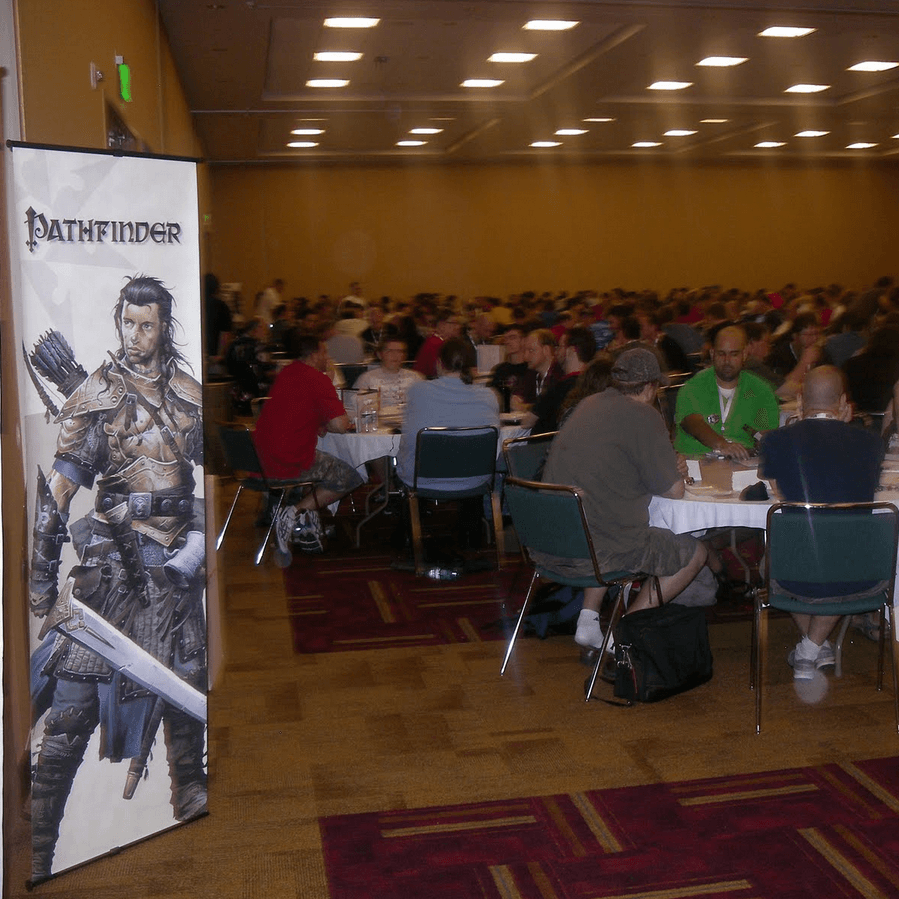
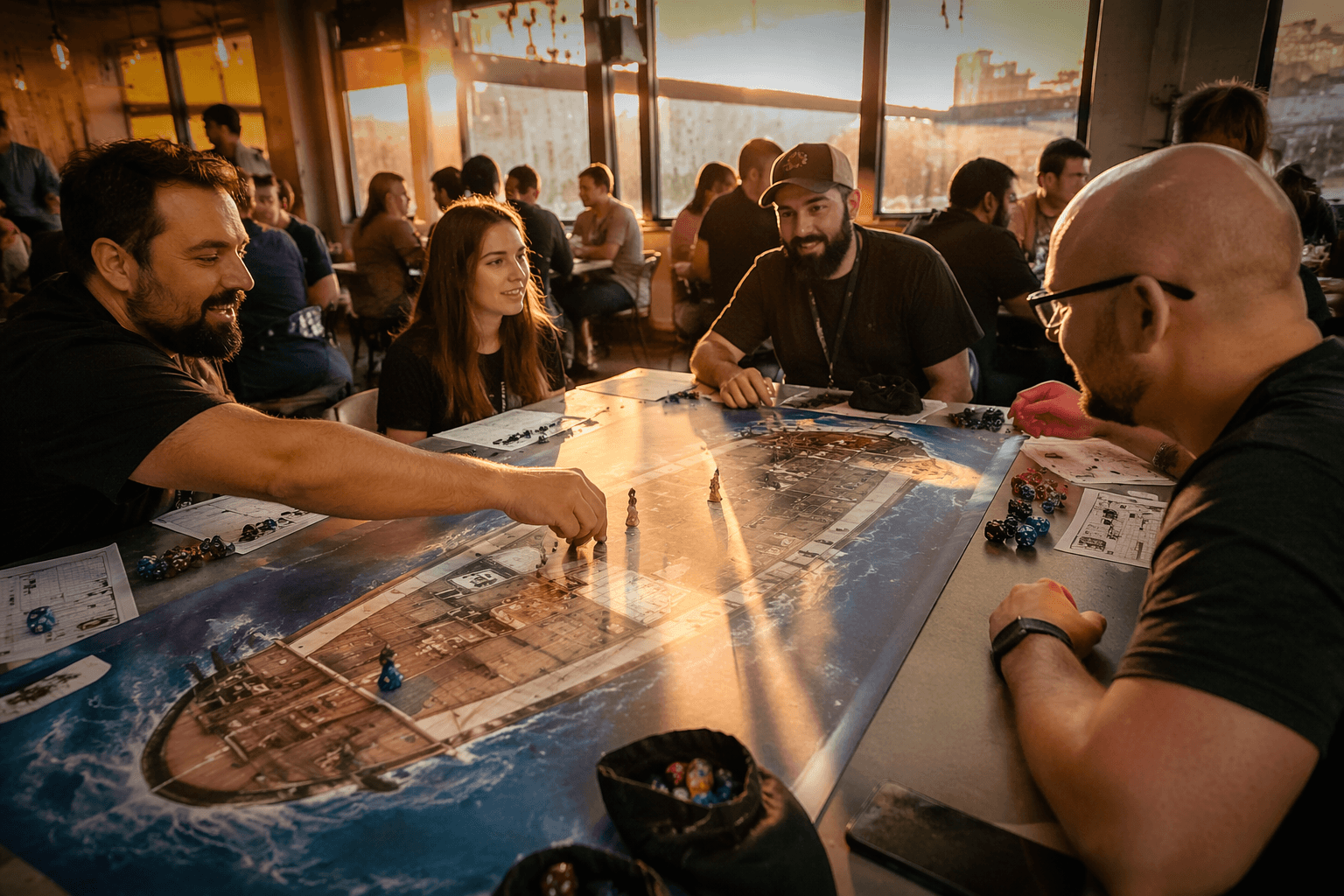
Running a clean Pathfinder Society table used to mean printing out a stack of FAQs and hoping nothing had changed since the last time you ran. In 2026, the moving parts are faster and the stakes are the same: one bad ruling, one wrong errata version, one missing chronicle sheet entry, and the session you spent two hours prepping can generate a week of cleanup emails. This checklist is built around Paizo's Organized Play guidance and VO materials and maps every failure point to a concrete action, so a new or returning GM can run a smooth, legally clean, fully reported table without embarrassing surprises.
1. Seven to Fourteen Days Out: Lock Down the Paperwork
The first thing to confirm, well before the event, is scenario legality. Paizo's monthly Organized Play update, published on the Paizo blog, is the authoritative source for which scenario codes are sanctioned for a given start date. The February 2026 update, for example, listed Pathfinder Society Scenario #7-13: *Ancient Beyond Imagining* and #7-14: *Brastlewark at War, Part 2: The Gnome Liberation* as releasable on March 4, 2026, with a note that they "may be run at events beginning on that date." That phrasing matters: a session scheduled even one day before that date is running an unsanctioned scenario. Bookmark the monthly update post and treat it as your single source of truth, not a Discord summary or a second-hand convention schedule.
Errata is the second paperwork trap. Paizo's February 2026 update confirmed that *Pathfinder Dark Archive* has been remastered, with the explicit note that "all characters treat the remaster updates as errata and will need to update characters accordingly." If you're running a table where anyone has a Dark Archive character or archetype, send a pre-session message pointing players to the Paizo errata and FAQ page and specifying which errata snapshot the table will use. Agreeing on a shared rules version before anyone rolls initiative eliminates the mid-session rules dispute that derails pacing and sours the room.
- Check Paizo's monthly Organized Play update for scenario release dates
- Confirm which errata/remaster cycle applies to your players' builds
- Send a pre-session note covering any table-level rulings and whether playtest content is permitted
- Keep house rules minimal and consistent, especially at public or store events
2. PDF Access and Backup Materials
Paizo's storefront has gone through significant infrastructure changes, and the practical fallout has landed on GMs and players at event tables. Reports in April 2026 documented customers unable to access purchased PDFs following store migration work. If your session depends on a player having access to a recently purchased PDF, either on their phone at the store or in a VTT compendium, that access is not guaranteed.
The fix is straightforward: prepare a plain-text copy of any mechanical content you absolutely need, specifically core archetype features or spells referenced in the scenario, stored offline on your device or printed out. Paizo's own policies permit offline copies of purchased content for personal use, so this isn't a workaround; it's expected practice. A GM who arrives at a store with a backup copy of every relevant mechanical block can run the session regardless of connectivity or storefront issues. The players sitting across from you will never know there was a problem.
3. Day-Of Setup: The 60-to-90-Minute Window
Whether you're running in person with a laptop or fully online through a VTT, the 60-to-90 minutes before the session starts is the most important window in your entire prep schedule. For Foundry VTT users, this means opening the pf2e system in a sandbox world and testing the automations you'll actually rely on during play: status conditions, saving throw rolls, spell targeting, and any condition macros built into major encounter creatures. The pf2e system on GitHub patches frequently, and stable Foundry releases like 14.359 can interact unexpectedly with automation modules that haven't yet caught up. A bug you discover 90 minutes out can be fixed or worked around; one you discover mid-combat cannot.
Specifically test: 1. Open the compendia you'll be using and confirm the expected versions are loaded 2. Run a condition application (fatigued, frightened, etc.) on a test token 3. Trigger a saving throw automation against a live actor, not just a blank sheet 4. Check that any third-party automation modules match the pf2e system version listed in your Foundry build
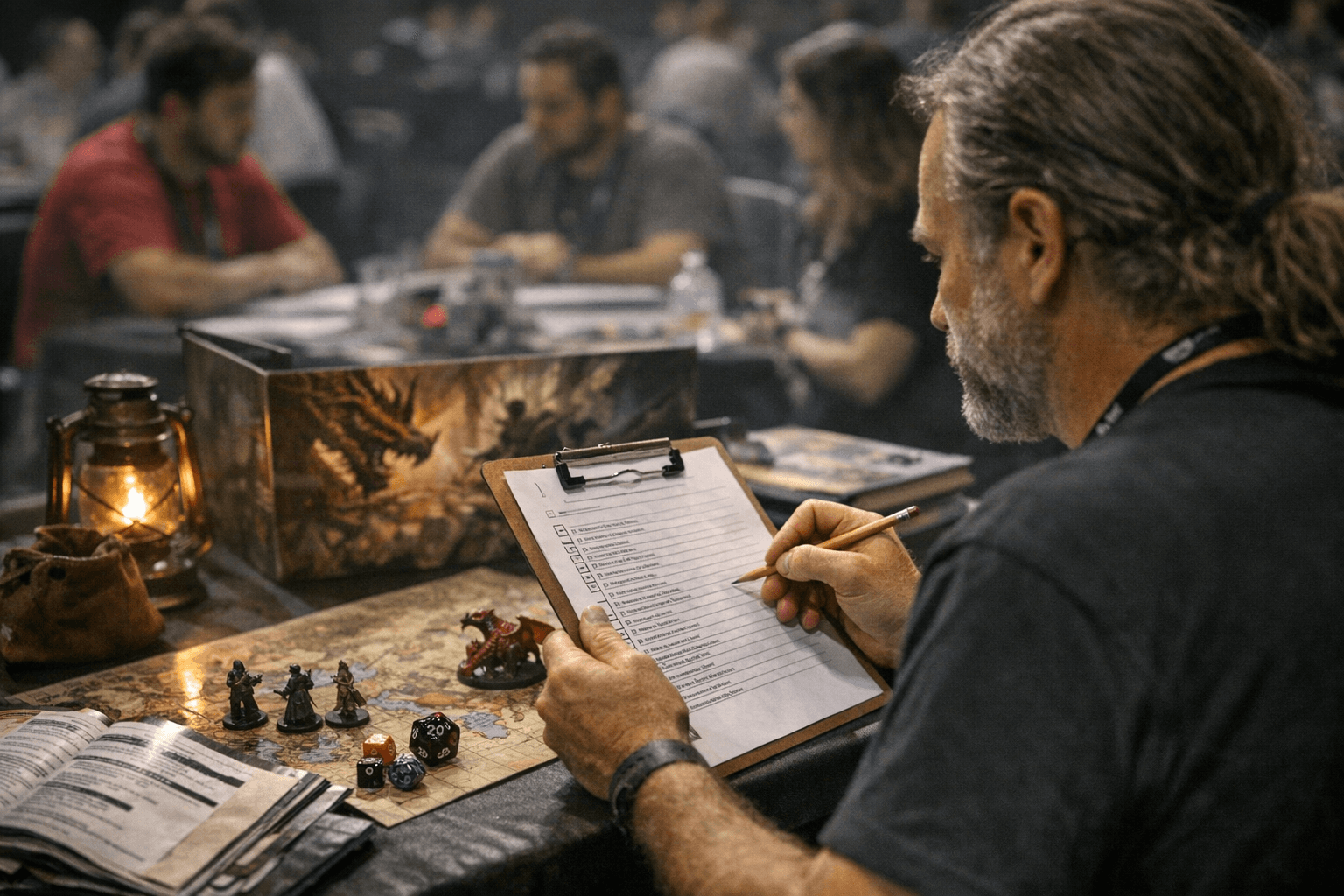
If something is broken, the pf2e GitHub releases page is the fastest place to check whether a hotfix has already been pushed. If the bug is new and unlogged, you now have time to disable the broken module and run that element manually, which is always faster than troubleshooting live in front of players.
4. During Play: Rulings, Records, and Real-Time Clarity
On-the-fly rulings are inevitable. The Pathfinder 2e ruleset is dense and the Society scenarios are built to push edge cases. When you make a ruling that isn't clearly supported by the text, write it down immediately, even a one-line note on a spare index card or the GM notes field of your VTT. Share the ruling verbally with the players at the table and note it on the chronicle sheet or session notes. Organized Play scoring and award eligibility often depend on a clean adjudication trail; a ruling that was crystal clear at the table can become contested six weeks later when a player submits a report or transfers a character.
This is especially relevant for tables running newer sanctioned content or anything from the current playtest cycle. The March 2026 Organized Play update from Paizo noted that the team is actively gathering playtest feedback through 2026, with specific interest in Slayer playtest data for conventions including Gen Con 2026. If your table ran a playtest build, note how it interacted with the scenario mechanics and whether it affected pacing or player balance. That information feeds directly into VO-level reporting and ultimately back to Paizo's design team.
5. Post-Event Reporting: Close the Loop
Filing the adventure report is not optional in Organized Play and should not be treated as a formality. Chronicles are the legal record of what happened at your table, and every player who participated is entitled to an accurate one. If the session used new-release content within its legality window, or if any product-delivery issue (a missing PDF, a broken compendium) affected play, document that in your post-event notes and contact Paizo's Organized Play Foundation team directly if escalation is needed.
For Foundry users who encountered a system or automation bug, submit a clear bug report to the pf2e GitHub repository with specific reproduction steps. The volunteer maintainers who build and patch the pf2e system rely entirely on community-submitted reproduction cases to prioritize fixes. A report filed within 24 hours of your session, while the details are fresh, is far more actionable than a vague complaint posted to a Discord thread two weeks later.
A Note on the Rhythm That Makes This Necessary
Paizo's product cadence runs on a reliable monthly cycle: new scenarios drop on the first Wednesday of each month, the Organized Play monthly update publishes the legality windows and chronicle links, and the VO network handles local distribution. Layered on top of that is the Foundry release cycle, which operates on its own schedule entirely. The result is a rhythm of release, community integration, and patch that GMs must actively track rather than assume has resolved itself. The 2026 GM boon program, which grants unlockable character options tied to running games at RSP-supported locations like local game stores and conventions, adds a direct personal incentive to stay on top of that cycle. Running more games cleanly means better boons, faster; running them sloppily means disputes, invalidated chronicles, and a reputation that travels quickly in a community this size.
The Paizo Organized Play monthly update and the VO handbook remain the final word on official policy. This checklist sits one layer below that: the field-tested sequence that gets you from calendar invite to filed chronicle without any of the common avoidable failures in between.
This article was produced by Prism’s automated news system from verified source data, official records, and press releases, then run through automated quality and moderation checks before publishing. The system is built and supervised by the people who set the standards it runs under. Read our full AI policy.
Did this article answer your question?