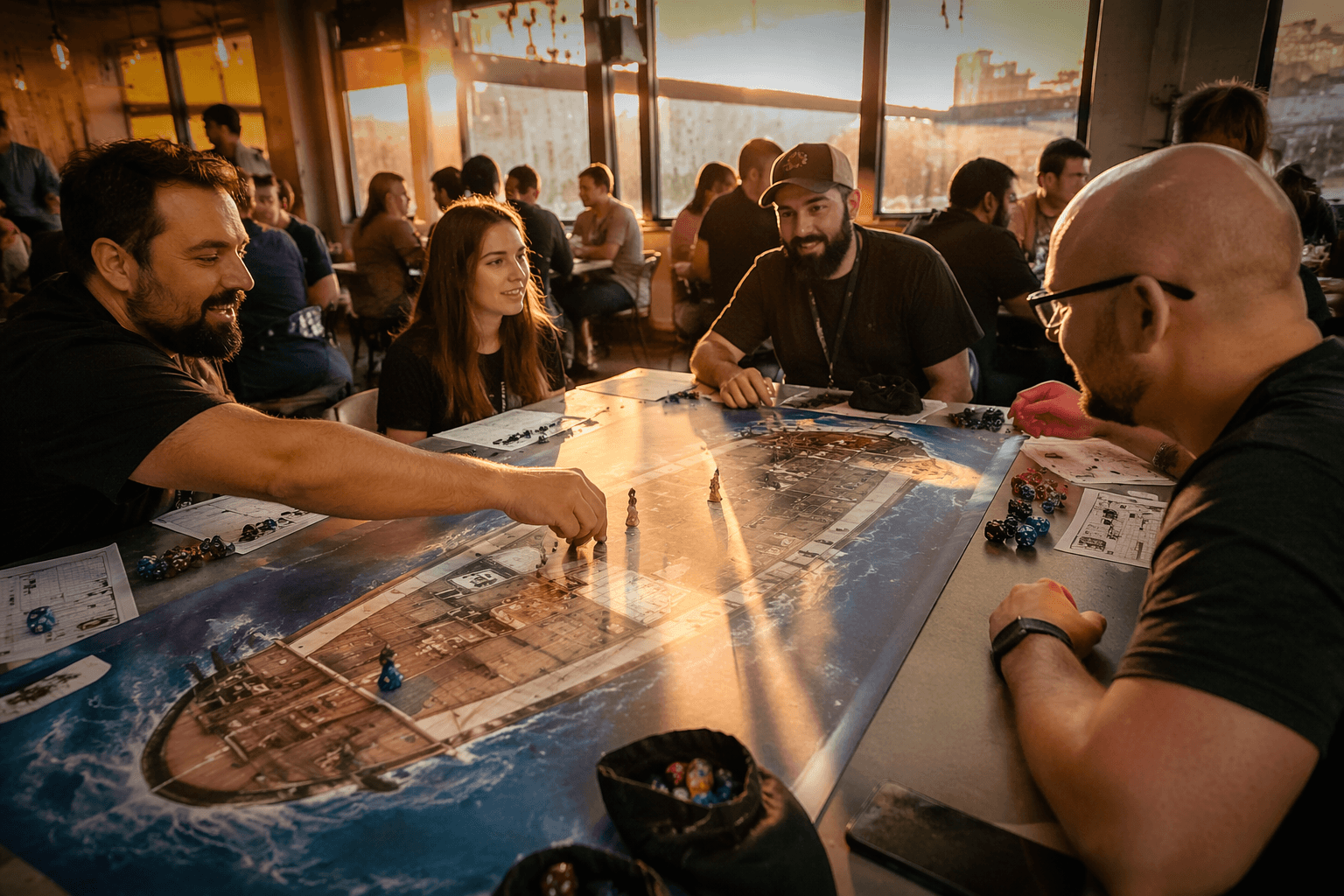
Pathfinder 2E explains ancestry, heritage and background as core identity layers
Three separate choices shape a Pathfinder 2E hero from level 1: ancestry sets the chassis, heritage adds the lineage twist, and background locks in the life before adventuring.
A dwarf guard with a mining background feels like a different first-level character from a human-elf aiuvarin scout or an orc-blooded dromaar scholar, even before class enters the picture.
Ancestry is the core chassis
Ancestry is the broad family your character belongs to, the layer that tells you which people they call their own. In the remaster-era rules, it still does the heavy lifting: starting Hit Points, size, Speed, attribute boosts and flaws, languages, senses, and access to ancestry feats all come from this choice.
That is why a dwarf does not just look different from an elf on the page. The dwarf starts with a different mechanical baseline than the elf, and that baseline keeps showing up when combat starts, when exploration gets noisy, and when language barriers matter. Paizo’s remaster materials kept that core identity intact even as the game removed alignment.
The best way to think about ancestry is this: it answers, “What kind of body, instincts and communal history does this character begin with?” The answer determines what numbers you start with and what ancestry feats you can eventually grow into.
Heritage is the lineage twist
Heritage sits one step narrower. It is the specific lineage, upbringing or unusual origin that makes two characters of the same ancestry feel different at the table. The remaster preview introduced versatile heritages to reflect the diversity of Golarion, including mixed ancestries and extraplanar origins, and the most familiar examples are aiuvarin and dromaar, representing human-elf and human-orc heritage.
That distinction is where new players often get tangled. Ancestry is the broad family, but heritage is the special branch, the inherited twist, or the story of how this character came to be who they are. A human with an aiuvarin heritage does not stop being human in the way the rules care about; the heritage is the extra layer that gives the character a mixed-ancestry identity and a different narrative shape.
Versatile heritages are especially useful when your concept does not fit a single cultural lane. They are available to all ancestries, which means they can represent mixed ancestry or some more unusual origin without forcing the concept into a corner.
Background is the life before level 1
Background answers a completely different question: what were you doing before you became an adventurer? Pathfinder’s rules frame backgrounds as the training or environment a character experienced before adventuring, and mechanically they hand out attribute boosts, skill training and a skill feat.
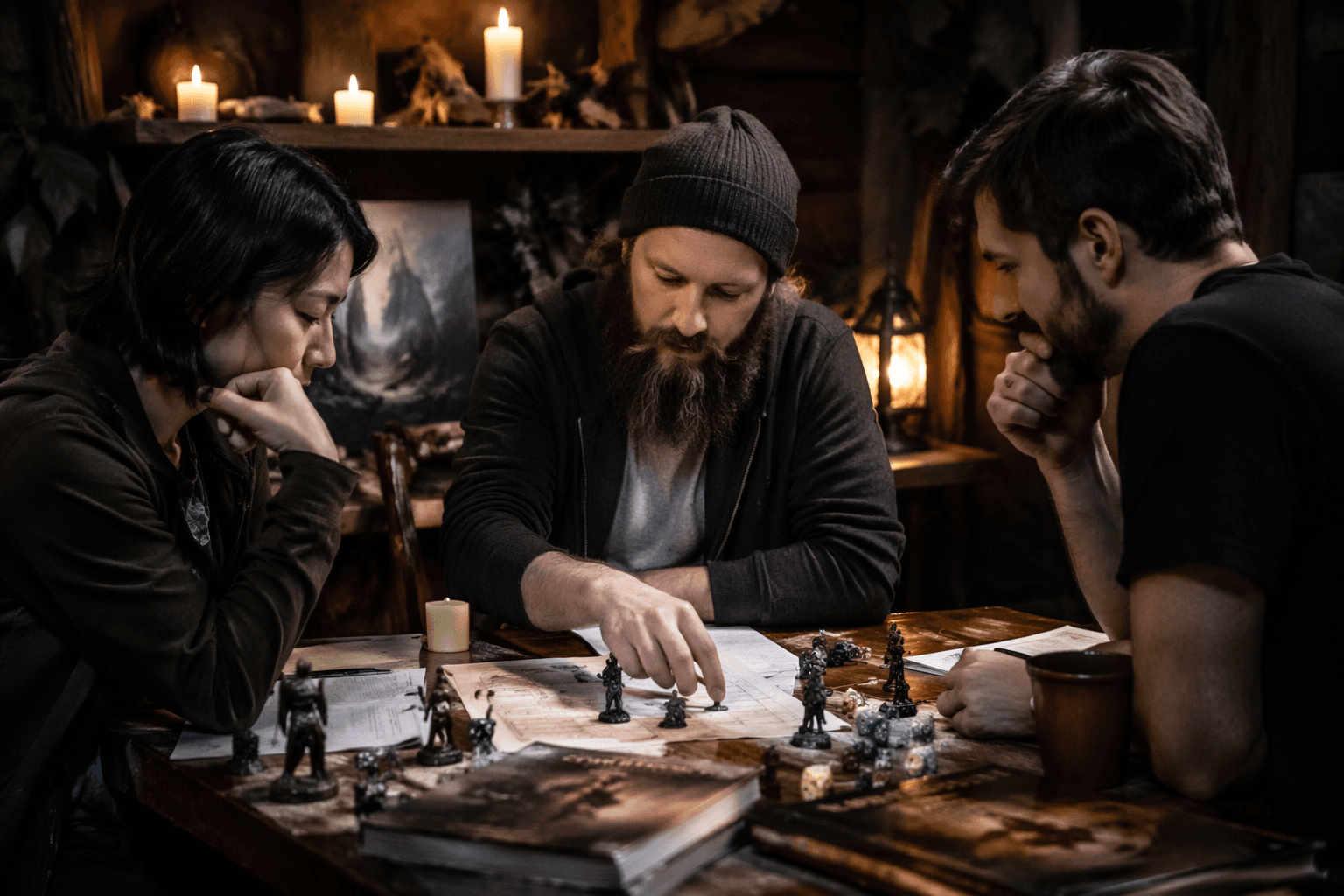
That is a lot more than flavor text. A guard background pushes a character toward a different set of early competencies than a scholar’s upbringing or a life on the streets, even if both characters share the same ancestry and class. Background is the layer that says, “This person already knew something useful before the first goblin ambush,” and Pathfinder makes that matter by turning that history into concrete bonuses.
This is also the layer players most often underestimate. Ancestry feels visible because it comes with obvious identity beats, and heritage feels exciting because it can be unusual or rare, but background is where the pre-adventuring life quietly shapes the first few sessions.
How the three layers stack at the table
The cleanest way to build a first-level character is to treat the three choices as three separate jobs. Ancestry sets your body, your senses and your long-term feat track. Heritage adds the lineage or origin detail that makes the concept specific. Background gives you the pre-adventuring skills that help you contribute right away.
That is why two fighters can feel radically different before they ever draw a sword. One might be a sturdy ancestry with a background that makes them hard to move and hard to surprise. Another might be a mixed-ancestry character with a heritage that fits an unusual family story and a background that puts them closer to social play or investigation. Same class, different identity, different opening moves.
Ancestry feats make that distinction last. They arrive at 1st level and then again at 5th, 9th, 13th and 17th level, so ancestry is not a one-time checkbox. It keeps feeding the build over the life of the campaign.
Some ancestries have very few, or no, 17th-level ancestry feat options, a point raised in Paizo forum discussion. The feat ladder does not always stretch evenly all the way to the top.
Why the remaster made this clearer
Player Core, released in November 2023, was a fresh entry point to Pathfinder Second Edition, and Player Core 2 followed in July 2024 as part of the same remaster project.
Pathfinder Society guidance has continued to shift as new ancestries and versatile heritages become available.
This article was produced by Prism’s automated news system from verified source data, official records, and press releases, then run through automated quality and moderation checks before publishing. The system is built and supervised by the people who set the standards it runs under. Read our full AI policy.
Did this article answer your question?