Pathfinder launched as a 3.5-compatible RPG with huge early demand
Pathfinder’s first print run sold out ten days before release, and the game kept that momentum by evolving from 3.5 compatibility to the 2023 Remaster.

Pathfinder’s first print run sold out ten days before its August 13, 2009 release, a striking start for a 576-page Core Rulebook that had already been playtested by more than 50,000 players. Paizo framed the game from the beginning as compatible with 3.5, giving players a familiar d20 chassis while shifting the design priorities to a new publisher with its own voice.
That launch was not just hot, it was unusually hot by Paizo’s standards. The company’s archived launch copy said preorder volume was more than five times greater than any previous product in Paizo’s seven-year history, and the sold-out first print run signaled that Pathfinder had landed as more than a niche alternate. It arrived with momentum and with a built-in audience already waiting at the table.
Paizo also treated support as part of the game itself. New players were pointed toward a free Conversion Guide, the Pathfinder Roleplaying Game Reference Document, errata, and active forums, building a culture around rules access and table conversation rather than locking the system behind a single hardcover. The company’s Compatibility License extended that philosophy outward, letting third-party publishers label products as compatible with Pathfinder and use official compatibility logos and fonts for fully compatible material. Paizo’s own licensing page calls that license the most restrictive of its free licenses, but it still helped create the broad ecosystem of adventures, supplements, and accessories that became part of Pathfinder’s identity.
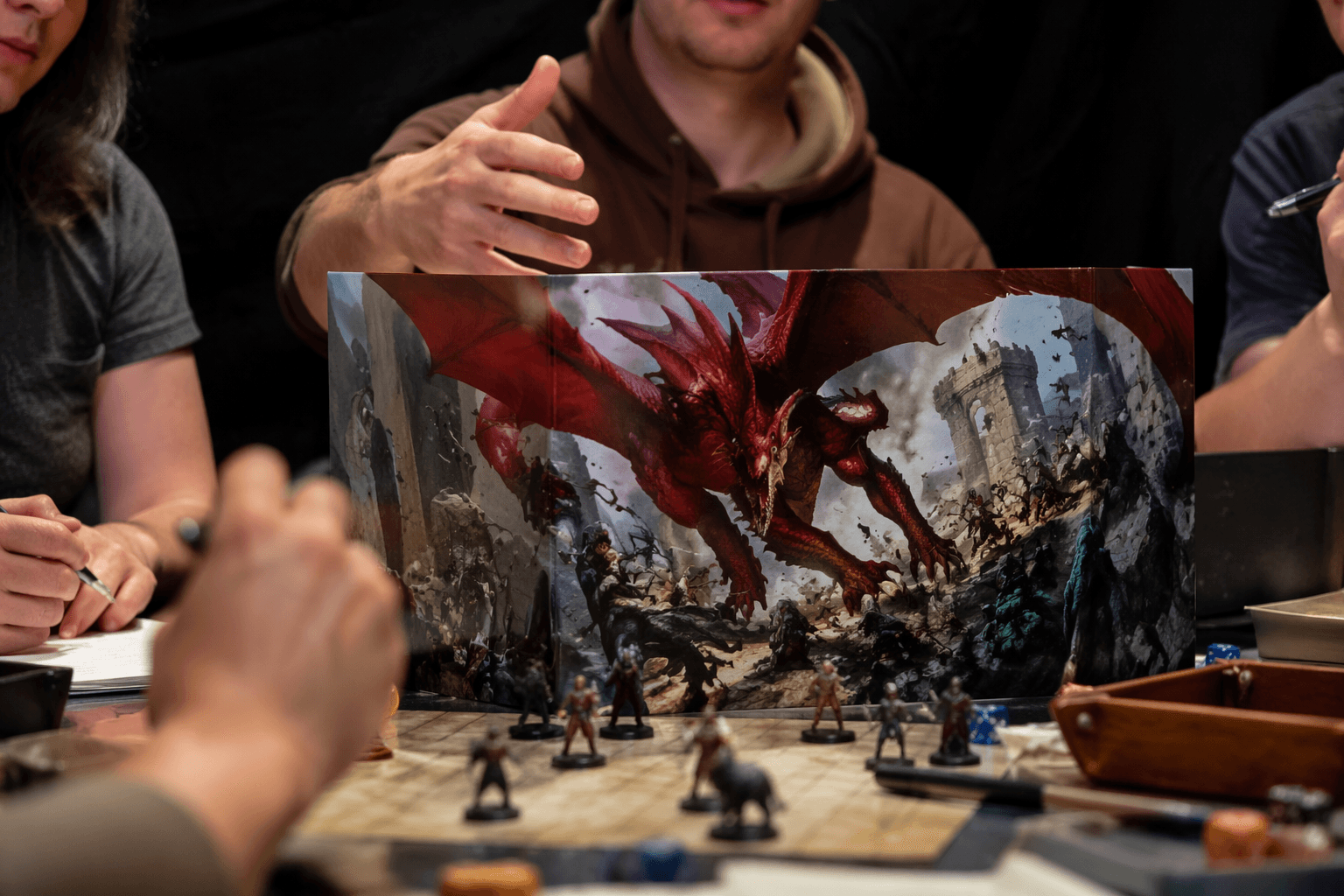
The biggest formal shift came with Pathfinder Second Edition, which launched in 2019. The Second Edition Core Rulebook released on August 1, 2019, as a 640-page hardcover by Logan Bonner, Jason Bulmahn, Stephen Radney-MacFarland, Mark Seifter, and James Jacobs. It introduced six ancestries, twelve classes, 35 backgrounds, and hundreds of feats, spells, and magic items, making clear that this was a rebuild, not a light update. Paizo tied the new rules to the Lost Omens line and the evolving world of Golarion, while its getting-started materials continued to steer newcomers toward Archives of Nethys, the Pathfinder Primer, and downloadable character sheets.
Even that transition was tested in public first. Paizo’s Pathfinder Playtest used the seven-part Doomsday Dawn adventure and invited structured feedback from players and game masters, and the company later said the playtest drew more downloads in its first few days than the original Pathfinder playtest. By the time Paizo announced the 2023 Remaster Project, the pattern was established: Player Core, GM Core, Monster Core, and Player Core 2 would consolidate errata and updates, stay compatible with existing Pathfinder Second Edition products, and move future publishing to the ORC license. Player Core and GM Core shipped on November 15, 2023, Monster Core followed in March 2024, and Player Core 2 arrived in July 2024, another turn of the same wheel.
This article was produced by Prism’s automated news system from verified source data, official records, and press releases, then run through automated quality and moderation checks before publishing. The system is built and supervised by the people who set the standards it runs under. Read our full AI policy.
Did this article answer your question?