Pathfinder's Sky Scions spotlight Clan Firecask in Sky King's Tomb
Part 3 keeps Sky King's Tomb moving by giving Clan Firecask the microphone. It is a bridge piece GMs can mine for tone while players get a broader view of the AP.
Sky Scions: Part 3 does exactly what a strong bridge piece should do: it keeps Sky King’s Tomb feeling alive while the Adventure Path is still in motion, and it does it by shifting attention toward Clan Firecask. The campaign is already more than halfway through another Adventure Path, so this installment works less like a detour and more like a signal flare from the wider world around the table.
What this installment is really for
This is not the kind of Pathfinder piece that exists just to add more trivia to the shelf. It is a momentum-preserving update, the sort of article that keeps an Adventure Path in the public imagination while groups are still actively playing through it. The surrounding context ties it to Pathfinder Adventure Path, Pathfinder Roleplaying Game, and Sky King’s Tomb coverage, which makes its purpose pretty clear: it is community-facing support for an ongoing campaign.
That matters because bridge pieces like this do two jobs at once. They remind current players that the story has a larger living setting behind it, and they give everyone else a glimpse of the emotional and cultural machinery that keeps the AP moving. In practice, that means the article is useful even if you are not at the exact book it is spotlighting, because it shows how Pathfinder keeps a campaign from feeling sealed inside one product.
Why Clan Firecask is the real hook
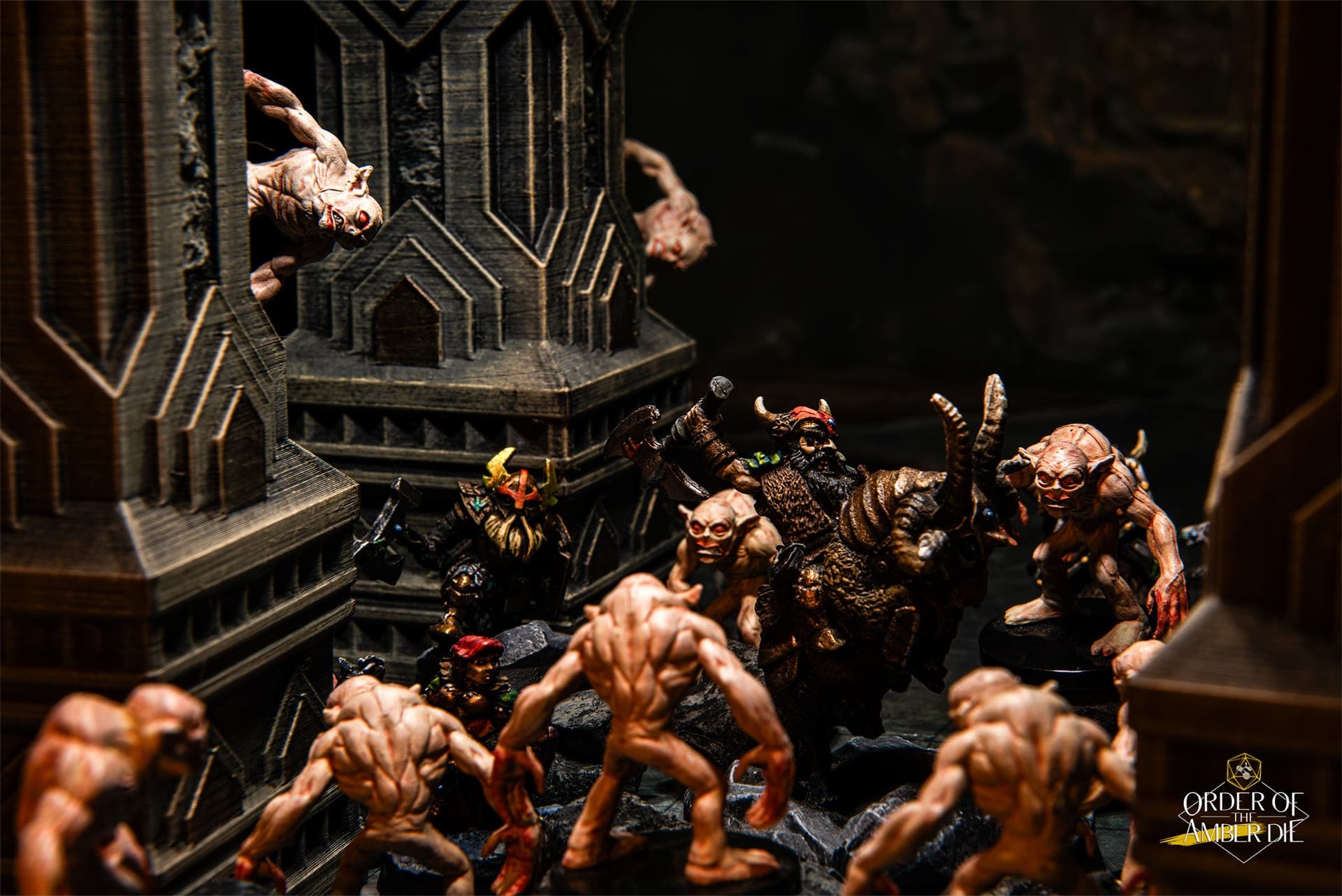
The headline development here is the move toward the dwarves of Clan Firecask, who are ready to tell their side of the story. That detail is doing a lot of work. Instead of treating dwarven identity as scenery, the piece frames the clan as a speaking presence, which turns a familiar fantasy people into a source of perspective, memory, and interpretation.
That is especially valuable in an Adventure Path built around a specific region and the people who live in it. When a clan gets to narrate events in its own voice, the setting stops reading like a backdrop and starts reading like a community with stakes of its own. For Pathfinder tables, that is the difference between remembering “there are dwarves here” and understanding how dwarves in this part of Golarion might see the same conflict, same ruins, or same campaign turn very differently.
It also gives the story a cleaner point of entry for readers who are not already deep in the AP. Clan Firecask functions as a recognizable anchor, a faction that can stand in for a larger cultural point of view. That makes the article useful as a teaser for the kind of narrative energy Pathfinder Adventure Paths can sustain: communities, traditions, conflicts, and the sense that the world continues to move even when the PCs are not present.
How GMs can use it immediately
For GMs, the value is practical, not abstract. Sky Scions: Part 3 can be read as a tone setter, helping you think about how to portray a region, a people, or a faction with more specificity. That matters most in a campaign like Sky King’s Tomb, where cultural identity is not just decorative, but part of the atmosphere that shapes every conversation and reaction at the table.
A piece like this gives you a few kinds of table-ready material to work with:
- A clearer sense that Clan Firecask should feel like a living group with its own priorities, not a generic dwarf label.
- A reminder that the AP’s setting has depth beyond the immediate scene the PCs are in.
- A way to present the region through a faction’s point of view, which can make even simple scenes feel more grounded.
- A template for how Pathfinder bridge content can keep a campaign relevant between major story beats.
The best part is that none of this requires you to treat the article like a lore dump. Its utility comes from the framing itself. If you want a table to feel like it is moving through an inhabited world, not just a sequence of encounters, this is the kind of installment that can sharpen your descriptions and your NPC reactions.
What it changes for players following the story
For players, Part 3 does not sound like a mechanical correction or a plot-turning revelation. What it does change is the scale of how the larger storyline reads. Once Clan Firecask is brought forward as a voice, the adventure feels less like a party moving through a fixed map and more like a story taking place inside a community with competing memories and claims.
That shift is important because it tells players how to read the AP’s stakes. The story is not only about what the PCs can do next, but about who gets to define what is happening around them. That is a classic Pathfinder move, and one of the reasons these bridge pieces matter: they widen the frame without breaking the campaign’s forward motion.
The result is a stronger sense that Sky King’s Tomb is not just progressing book by book, but accumulating perspective. If you are following along, Part 3 tells you to pay attention not only to the next obstacle, but to the people who will remember it, interpret it, and argue over it afterward.
Why this kind of update works
Paizo has long used articles like this to connect the adventure line to a specific cultural perspective, and Sky Scions: Part 3 fits that pattern neatly. It helps turn an AP from a product into an ongoing conversation about Golarion, while keeping the campaign visible enough that players and GMs still feel its pulse between major releases.
That is the real payoff here. The article is not trying to replace the Adventure Path books, and it is not pretending to be a complete lore recap. It is doing the more useful job of making the world feel active, the clan feel distinct, and the stakes feel communal.
By the time you finish it, Sky King’s Tomb should feel less like a book on a schedule and more like a place where Clan Firecask is still waiting to be heard.
This article was produced by Prism’s automated news system from verified source data, official records, and press releases, then run through automated quality and moderation checks before publishing. The system is built and supervised by the people who set the standards it runs under. Read our full AI policy.
Did this article answer your question?