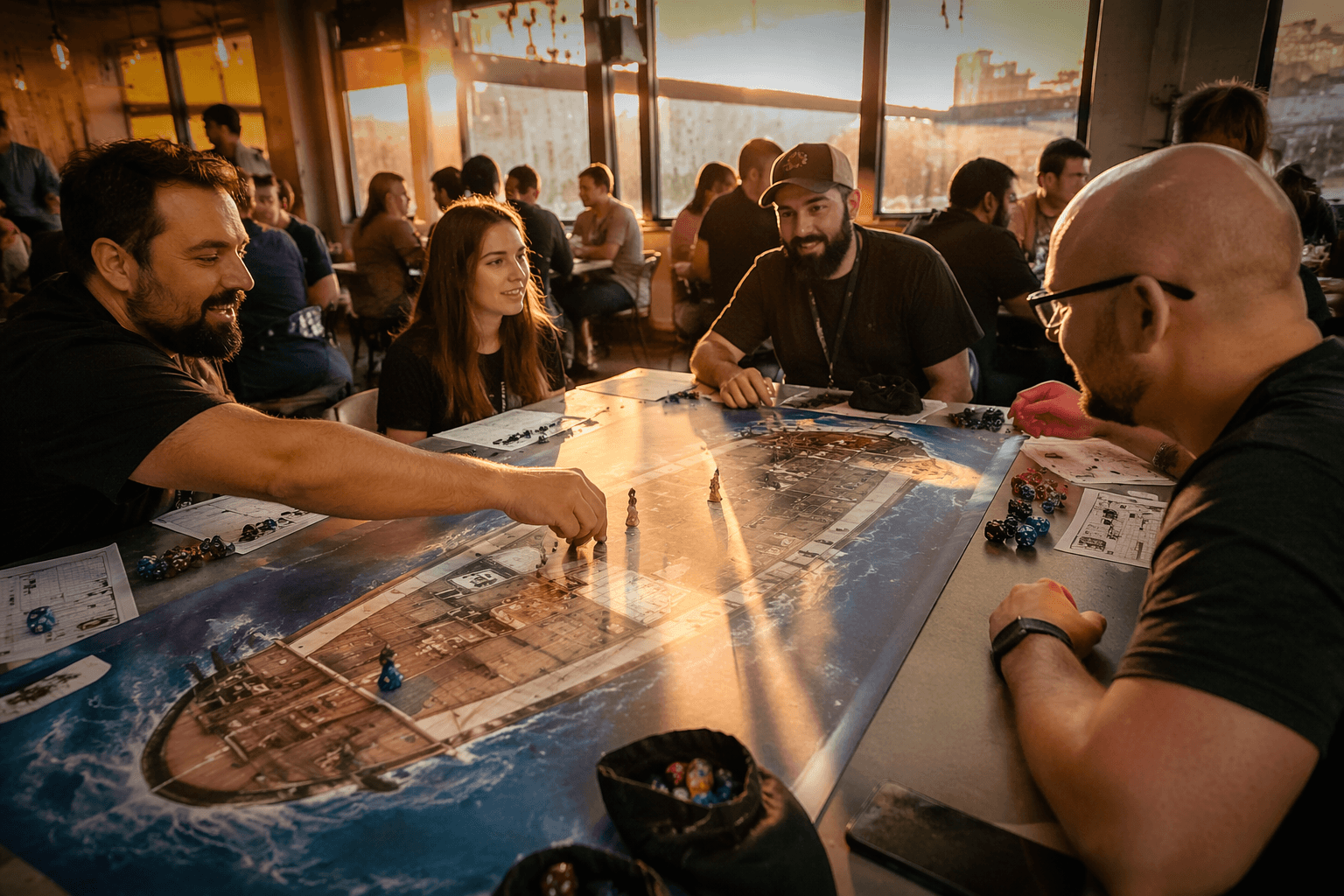
Starting Pathfinder 2e Guide, Practical Primer for Dungeon Masters and Players
The Gallant Goblin published a practical Starting Pathfinder 2e guide aimed at players coming from Dungeons and Dragons 5e, highlighting key mechanical differences and easy first steps for groups making the switch. The guide points readers to core rule references, player facing books, and community tools like the Archives of Nethys and Pathbuilder to speed up learning and reduce friction at the table.
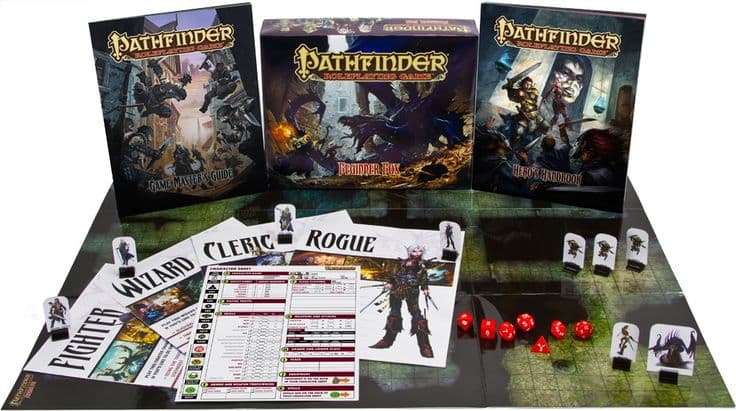
The Starting Pathfinder 2e guide from The Gallant Goblin is designed to get Dungeons and Dragons 5e players and their groups playing Pathfinder 2e quickly and confidently. The guide explains why PF2E feels different, and it offers a clear learning path that emphasizes hands on practice over reading every rule before play. That practical orientation matters because the biggest hurdle for many groups is adapting to PF2E character creation and the action economy rather than memorizing individual spells or feats.
Begin with a Session 0 and build a sample character together. The guide recommends spending time on a joint character creation session so players experience the choices and terminology with guidance. After you complete one simple character, run a one to two encounter practice session to put the action economy and combat flow into context. This approach reduces confusion and gives players concrete reference points, so deeper rule study becomes targeted and useful instead of overwhelming.
Use rules references and character builders to remove friction. The guide directs players to the Archives of Nethys for mechanical lookups and to Pathbuilder and other community character builders for rapid character creation. These tools let you verify rules quickly and test builds without flipping through multiple books during a session. Recommended first purchases are core rule references and player facing books, which cover the essential rules and character options you will use most often.
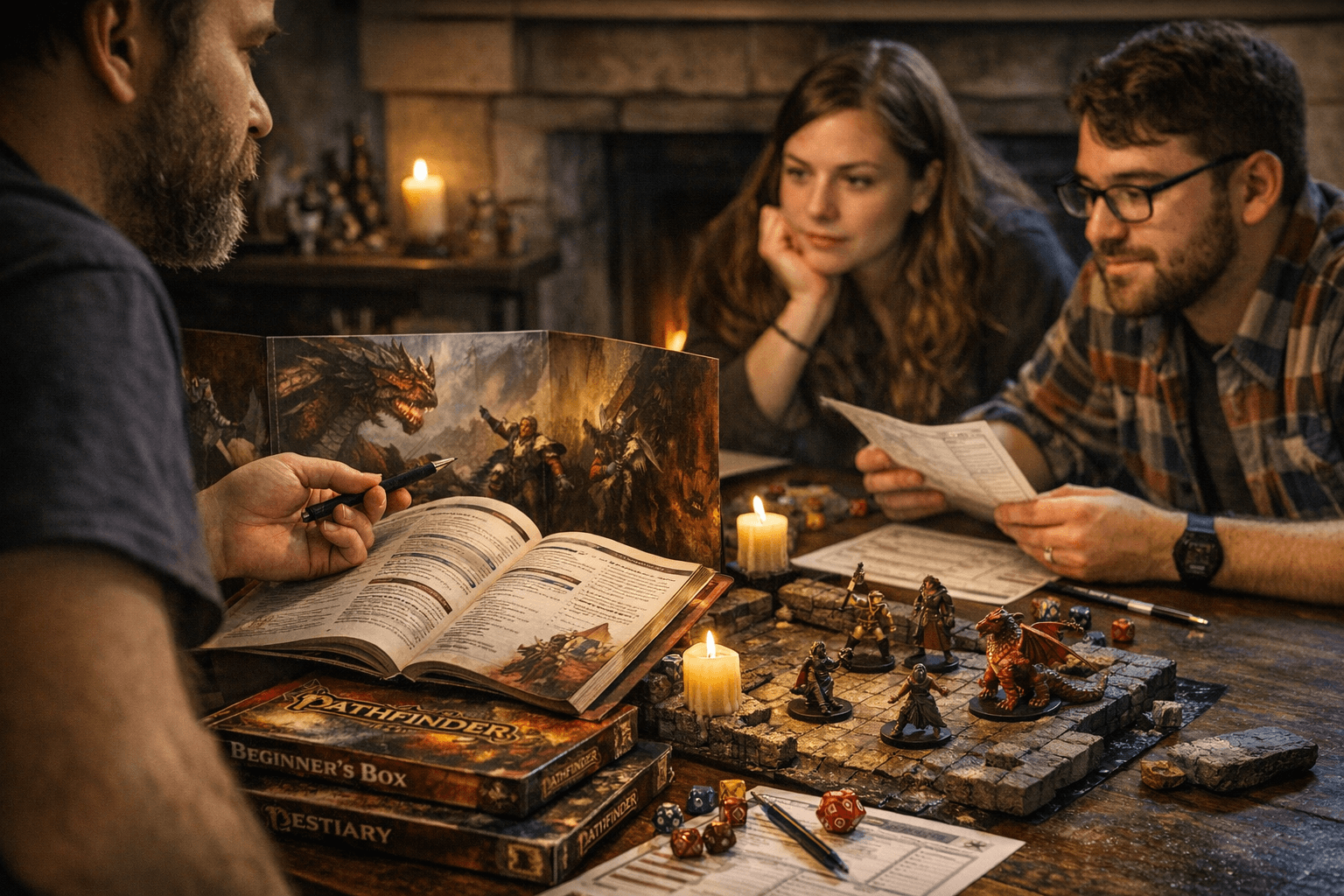
For Dungeon Masters converting a table, the guide explains how to stage the transition, what to expect from the first few sessions, and which resources cut setup time. Run a sample encounter, keep early sessions short, and move players from guided creation to independent builds as they gain experience. The result is smoother play, faster learning, and a better onboarding experience for new Pathfinder 2e players. For the full primer and links to the suggested tools, see the Starting Pathfinder 2e guide at gallantgoblin.com.
This article was produced by Prism’s automated news system from verified source data, official records, and press releases, then run through automated quality and moderation checks before publishing. The system is built and supervised by the people who set the standards it runs under. Read our full AI policy.
Did this article answer your question?